MAM
Ogilvy India makes key top-level appointments


MUMBAI: Advertising agency Ogilvy India has announced the appointment of Prem Narayan as its new chief strategy officer and Balagopalan Ganapathy as the new head of planning, Ogilvy Mumbai. Narayan and Ganapathy have started in their respective roles with immediate effect.
In his capacity as chief strategy officer, Narayan will lead the planning team to drive the national agenda. He will also continue to partner the CCOs and business heads to deliver creative solutions to clients nationally. Narayan will report directly to Kunal Jeswani.
Narayan has been with Ogilvy since 2004. He has been part of the team that pioneered the planning function in the agency. He has worked on many clients during this journey – Asian Paints, Bajaj, Blue Star, Castrol, Ceat, GreenPly, ICICI Bank, MP Birla Group, Tata Motors, Tata Sky, Unilever, Zandu to name a few. He has partnered creative agencies to generate outstanding work with brands like Asian Paints, Tata Safari, Bru, Hamam and Red Label. He has won the respect and love of all clients, creative and client servicing partners he has worked with. He has won many Effies on his brands (including last year’s AME agency of year).

Ogilvy India vice chairman and director of client relation Madhukar Sabnavis says, “Prem and Ganapathy are two accomplished planners of Ogilvy who have contributed to function in the last decade; their promotion is a recognition of this. They are the ideal next generation planners to take Ogilvy Planning in India to the next level.”
Ganapathy, aka Guns, will report to Narayan and work with the city business heads and CCOs to drive the planning agenda for Mumbai office. Guns has been part of the planning team since 2005. He has built strong relationships and been part of the team that has done stellar work on brands such as Asian Paints, Bajaj, Cadbury, Home Center, JSW, ITC and Pidilite to name a few. He has been the agency’s Effectiveness Champion for years- and the first and only IPA winner for Cadbury Dairy Milk in 2013. Guns is a much admired planning leader who has won the love and respect of every client he has worked with.
Ogilvy India CEO Kunal Jeswani adds, “Ogilvy is, and has always been, a place full of opportunity and growth for talent that shines. Prem and Guns represent the best of Ogilvy, not just as planners but as Ogilvy Ambassadors. I am excited to see them lead change in our industry and our company, driving integrated strategy and planning across our brands and disciplines.”
Both of them a part of the training faculty at Ogilvy and have conducted several training programs for the young talent in Ogilvy.







Brands
Jubilant FoodWorks faces Rs 47.5 crore GST demand, plans appeal
Tax authorities flag alleged misclassification of restaurant services
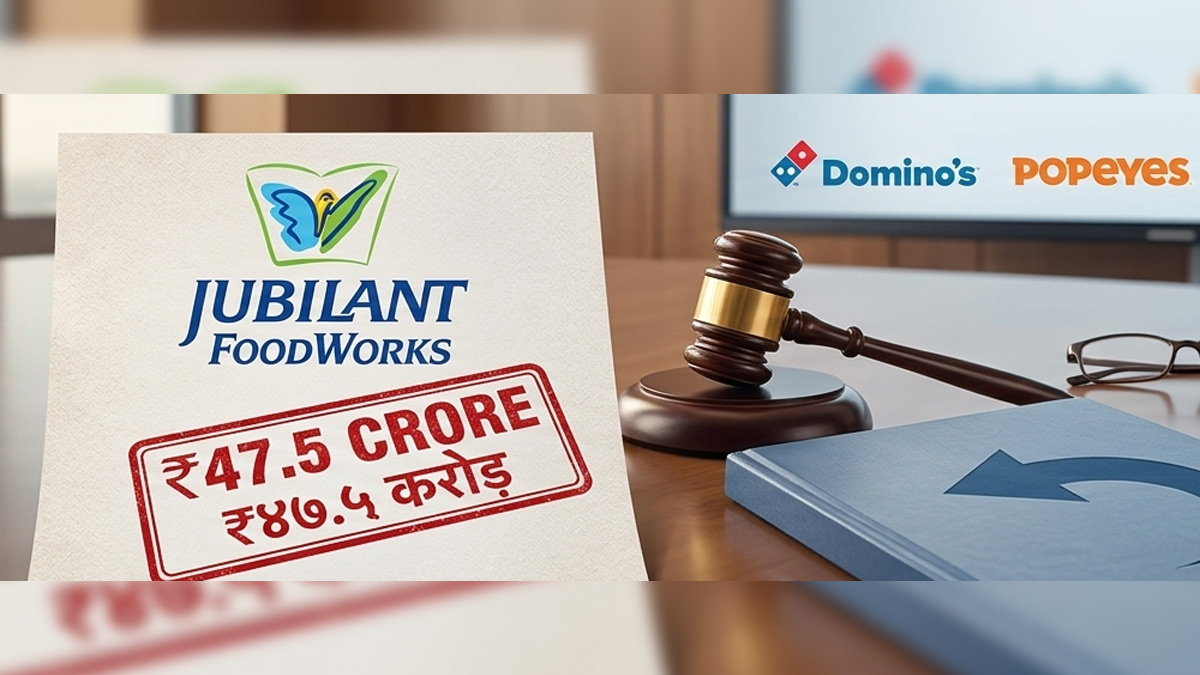
MUMBAI: Jubilant FoodWorks Limited has landed in a tax tussle after receiving a GST demand of Rs 47.5 crore from the office of the additional commissioner of CGST and central excise in Thane, Maharashtra.
The order, issued under the provisions of the Central Goods and Services Tax Act, 2017, relates to an alleged incorrect classification of certain services under the category of restaurant services. According to the tax authorities, this classification resulted in a short payment of goods and services tax for the period between the financial years 2019-20 and 2021-22.
The demand includes Rs 47.5 crore in GST along with an equal amount as penalty, in addition to applicable interest. The order was received by the company on March 13, 2026.
In a regulatory filing to the BSE Limited and the National Stock Exchange of India Limited, the company said it disagrees with the order and believes its arguments were not adequately considered.
The company is preparing to challenge the decision and plans to file an appeal. It added that once the redressal process is complete, the demand is likely to be dropped.
Despite the sizeable figure attached to the notice, the company said it does not expect any material impact on its financials, operations or other activities.
The disclosure was signed by Suman Hegde, EVP and chief financial officer, who confirmed that the company received the order at 19:06 IST on March 13 and has already initiated steps to contest it.
The development places the quick service restaurant major in the middle of a tax debate that could hinge on how certain restaurant-linked services are classified under GST rules. For now, the company appears ready to take the matter from the tax office to the appeals desk.