MAM
Ofcom launches review of TV advertising trading


MUMBAI: UK media watchdog Ofcom has launched a review into the UK’s TV advertising trading market.
The review will establish whether the way TV advertising is currently bought and sold prevents, restricts or distorts competition, and whether this has a harmful effect on consumers.
The possible prevention, restriction or distortion of competition has the potential to negatively affect both advertisers and TV viewers. If competition is distorted, it may be affecting the allocation of advertising revenues across broadcasters, market innovation, and prices for placing advertisements.

Ofcom says that if it concludes that there are sufficient competition concerns, it will decide whether to exercise its discretion to refer the sector to the Competition Commission by the autumn for a competition investigation into the TV advertising market.
Advertising is critical for financing TV content for many broadcasters, and is the main source of revenue for commercial Public Service Broadcasters. TV advertising remains a powerful medium for advertisers and the sector is worth around ?4 billion a year.
Potential Competition Concerns:Ofcom has identified the following potential areas of concern within the market:
Transparency of pricing : At present, the way TV advertising airtime is sold may make it difficult for advertisers to make meaningful and informed price comparisons between channels and then to act upon them.
The effect of poor transparency of pricing might be to reduce the amount of ‘switching’ of advertising spend between TV stations by advertisers.
Bundling of airtime: Advertising is sold in packages, or ‘bundles’. It is possible that bundling, when combined with the market strength of TV stations, may have a detrimental effect on competition.
As advertising airtime is ‘bundled’ across an entire schedule (i.e. peak and off-peak), a TV station may be able to use its market strength to achieve higher prices across its entire schedule than would otherwise be the case. Again, this could also serve to distort advertisers’ purchasing decisions.
The trading model: The way in which TV advertising is bought and sold does not appear to have altered significantly in nearly 20 years. It is also a system unique to the UK.
Ofcom is considering whether there are barriers preventing the trading model from evolving in response to commercial and technological changes.
Offsetting benefits: Despite identifying potential areas of concern, the current system may be an efficient way of managing some of the particular risks involved in planning and scheduling TV advertising.
For example, whilst bundling across the schedule may reduce transparency of prices, it may offer great flexibility to media buyers, advertisers and broadcasters.
Also, the sale and purchase of bundled airtime may benefit broadcasters and advertisers by allowing them to schedule adverts more efficiently, while reducing overall transactions costs for the sale and purchase of airtime.
Ofcom’s consultation seeks to identify all the possible competition concerns about the trading model and all the possible benefits which may offset these concerns.
Ofcom is seeking to establish the balance of the costs and benefits and if competition is distorted, restricted or prevented, then how this could have a detrimental effect on viewers and advertisers.
Next steps: The consultation will close on 22 July 2011. Ofcom intends to publish a statement in the autumn, which will either be in the form of terms of reference to the Competition Commission or an explanation of why it does not intend to refer the market.





Brands
YES Bank hands the keys to SBI veteran Vinay Tonse as it bets on a new era
Former SBI managing director appointed as YES Bank’s new MD and CEO
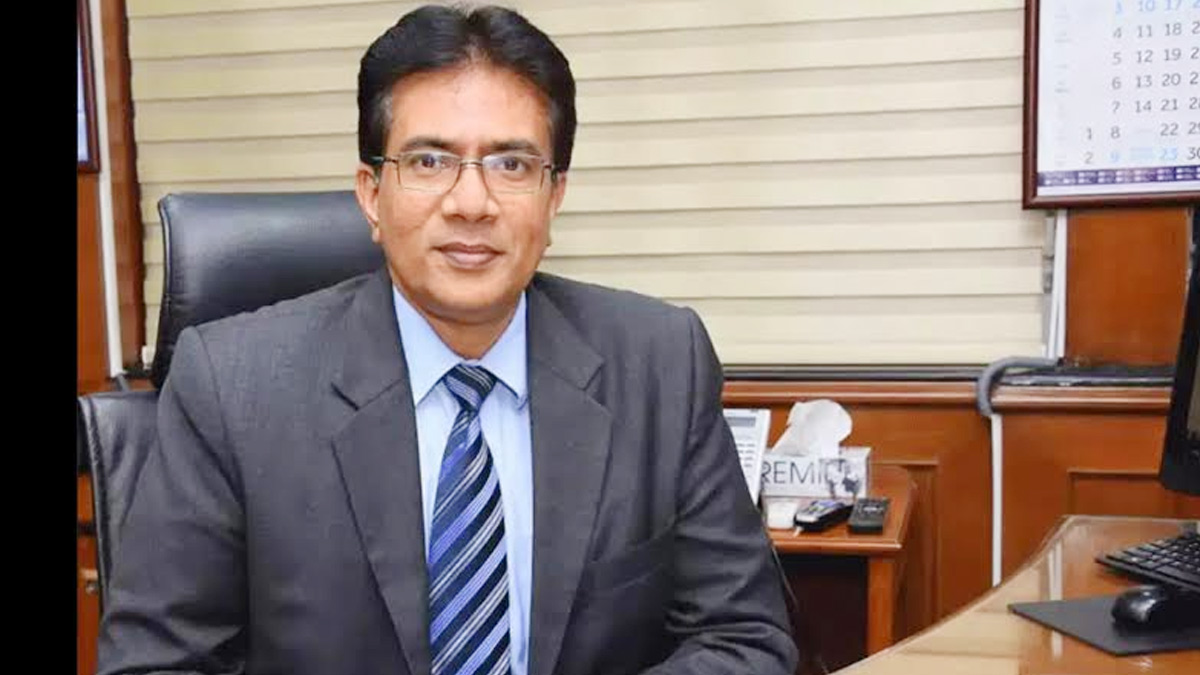
MUMBAI: YES Bank is done rebuilding. Now it wants to grow. The private sector lender has appointed Vinay Muralidhar Tonse as managing director and chief executive officer-designate, with RBI approval secured and a start date of April 6, 2026 confirmed. The three-year term signals the bank’s intent to shift gears from crisis recovery to full-throttle expansion.
Tonse, 60, is no stranger to scale. Most recently managing director at State Bank of India, he oversaw a retail book of roughly $800bn in deposits and advances, one of the largest in the country. Before that, he ran SBI Mutual Fund from August 2020 to December 2022, a stint that saw assets under management surge from Rs 4.32 lakh crore to Rs 7.32 lakh crore across market cycles. Add stints in Singapore and four years leading SBI’s overseas operations in Osaka, and the incoming chief arrives with a genuinely global CV.
His academic grounding is equally solid: a commerce degree from St Joseph’s College of Commerce, Bengaluru, and a master’s in commerce from Bangalore University.
The appointment follows an extensive search and evaluation process by the bank’s Nomination and Remuneration Committee. NRC chairperson Nandita Gurjar said the committee unanimously backed Tonse, citing his leadership track record, governance credentials and ability to drive the bank’s next phase of transformation.
Non-executive chairman Rama Subramaniam Gandhi was unequivocal. “I am certain that Vinay Tonse, with his vast experience as a senior banker, will propel YES Bank to its next phase of growth,” Gandhi said, adding that the bank remains focused on strengthening its retail and corporate banking franchises and expanding its branch network.
Rajeev Kannan, non-executive director and senior executive at Sumitomo Mitsui Banking Corporation, the bank’s largest shareholder, said Tonse’s experience across retail, corporate banking, global markets and asset management positioned him well to lead the lender. SMBC said it looks forward to working with Tonse and the board as YES Bank pursues its ambition of becoming a top-tier private sector lender anchored in strong governance and sustainable growth.
Tonse succeeds Prashant Kumar, who took the helm in March 2020 when YES Bank was in freefall following a severe financial crisis, and spent six years painstakingly stabilising the institution, rebuilding governance and restoring operational scale. Gandhi was generous: “The bank remains indebted to Prashant Kumar, who is responsible for much of what a strong financial powerhouse YES Bank is today.”
Tonse, for his part, struck a purposeful note. “Together with the board and my colleagues, I remain deeply committed to creating long-term value for all our stakeholders,” he said, pledging to build on Kumar’s foundation guided by his personal motto: Make A Difference.
Beyond the balance sheet, Tonse played cricket at college and club level and represented Karnataka in archery at the national championships — sports he credits with teaching him teamwork, situational leadership, discipline and focus. In quieter moments, he reaches for retro Kannada music, classic Hindi songs, and the crooning of Engelbert Humperdinck, Mukesh and Kishore Kumar.
YES Bank has its steady-handed rebuilder in Kumar to thank for survival. Now it has a scale-obsessed growth banker at the wheel. The next chapter starts April 6.