MAM
Nothing’s pink phone tease sparks viral buzz
Tech firm Nothing India blends nostalgia with innovation in cheeky Rooh Afza campaign for upcoming Phone 4a launch.

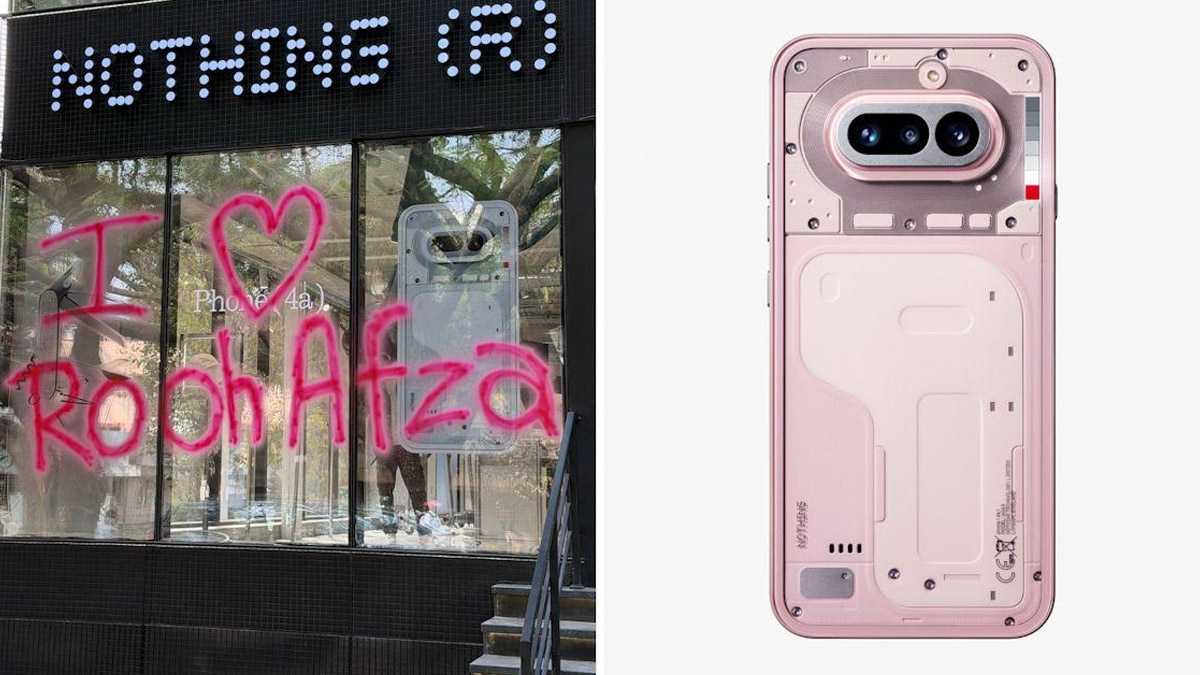
MUMBAI: Nothing’s stirring the pot or rather, mixing up a rosy elixir with a campaign that’s got Bengaluru abuzz and social media fizzing like a summer sherbet. In a clever nod to India’s beloved pink-hued Rooh Afza drink, the London-based tech upstart Nothing has splashed its Bengaluru flagship store in Indiranagar with graffiti proclaiming “I love Rooh Afza” in vibrant pink spray paint. What first looked like cheeky vandalism to passers-by has turned out to be a masterful marketing ploy, teasing a fresh pink colour variant for the Nothing Phone 4a, set to debut on 5 March alongside the Phone 4a Pro.
Launched on 25 February, the campaign taps into cultural nostalgia, with Nothing’s India handle posting gems like “I don’t usually be poppin’ bottles but when I do it’s Rooh Afza.” It’s the brand’s first foray into pink across its smartphone lineup, positioning the shade as “expressive and optimistic” rather than just another hue. The move has sparked online chatter, from amused locals filming the store window to comments ranging from “paid collaboration” to playful jabs like “now Rooh Afza may write Nothing on their bottles.”
Nothing isn’t stopping at graffiti; activations have popped up across stores, including in London, blending street art with tech hype. As whispers of vandalism gave way to viral reels, one Instagram post clocked thousands of views in hours, the stunt has cleverly woven tradition into modern gadgetry, proving that sometimes, a splash of pink is all it takes to refresh a launch.

With the global rollout on 5 March at 10:30 GMT, expect the Phone 4a to shake up the mid-range market, pink variant and all. Whether it’s a hit or just fizzy fun, Nothing’s campaign shows how a dash of local flavour can turn heads in a crowded tech scene.





MAM
Flipkart elevates Asim Saurav Das to Director role
Nearly decade-long journey sees brand marketing veteran take on senior leadership position.

MUMBAI: When you climb the e-commerce ladder one thoughtful campaign at a time, eventually the view from the top becomes irresistible and Asim Saurav Das has just reached a new floor. Asim Saurav Das has been elevated to director at Flipkart, marking a significant milestone in his nearly decade-long journey with the organisation. In his new role, he will continue to drive strategic initiatives across brand and marketing, contributing to Flipkart’s growth and market leadership in India’s fiercely competitive e-commerce landscape.
Das joined Flipkart as a Management Trainee and has steadily risen through the ranks, holding key positions including Brand Marketing Manager, Senior Manager, and Associate Director. Before Flipkart, he gained early experience with Procter & Gamble and Hindustan Times. His elevation reflects a strong track record in brand strategy, consumer insights, and delivering impactful marketing outcomes.
From trainee to director in under ten years, Das has clearly mastered the art of scaling brands proving that in the world of online retail, the best way to the top is still through smart, consistent steps rather than shortcuts.








