Brands
Niyo reinstates Sai Sankar as CBO; forex business to add 100 plus roles in FY27
Appointment comes as travel fintech plans 100 plus hires and wider distribution

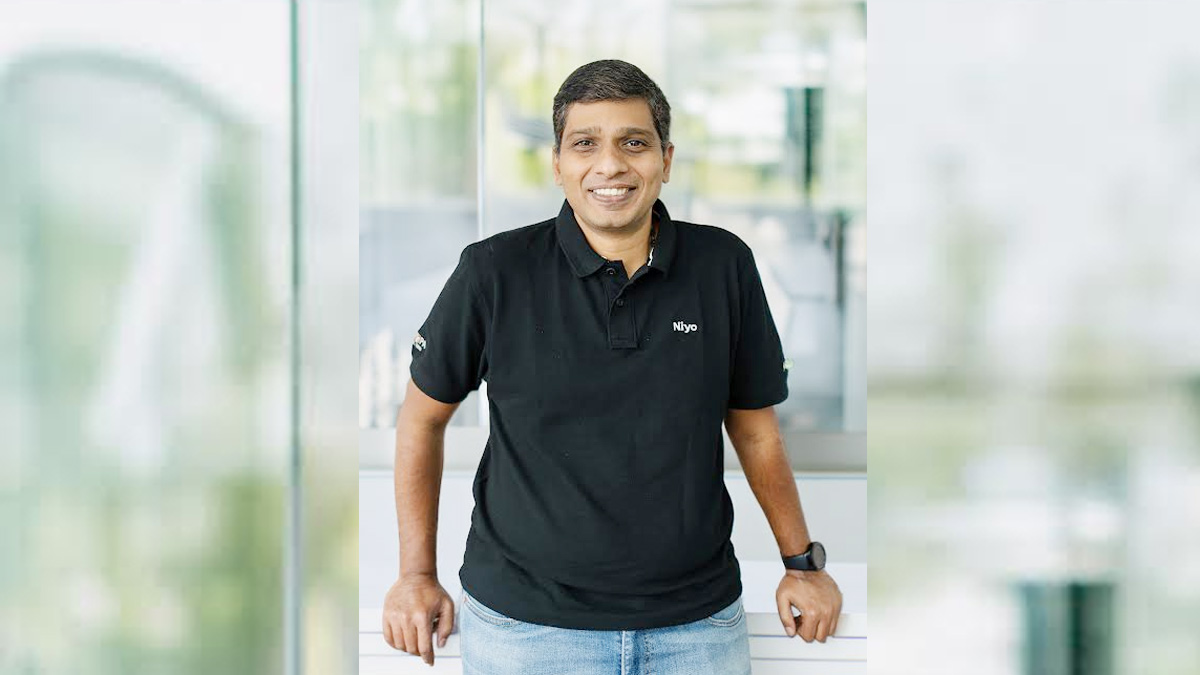
BENGALURU: Niyo has reappointed Sai Sankar as chief business officer for its forex business, signalling a sharper push into distribution-led growth as the travel fintech scales its cross-border operations.
A founding team member, Sankar returns after a two-year entrepreneurial break, having earlier spent nearly eight years helping build Niyo’s zero-forex-markup travel card and leading its travel card business as chief business officer in 2023.
The move comes as Niyo steps up ambitions in forex and outbound travel, targeting 10–15 per cent of India’s cross-border market. The company has outlined a 50-branch phygital expansion across high-traffic travel and forex corridors, deepening its physical footprint in cities such as Mumbai, Pune, Hyderabad, Bengaluru and Gurugram.

As part of the next phase, Niyo’s forex unit plans to add more than 100 roles in FY27, strengthening partner-facing teams and on-ground execution as outbound travel demand accelerates.
“Sai has played a defining role in shaping Niyo’s forex journey from the early days,” said Niyo founder and CEO Vinay Bagri. “As we scale distribution and partnerships, his execution focus will be critical to the next phase of growth.”
In his role, Sankar will drive distribution strategy, expand partner-led channels and build presence across key travel corridors, working closely with product and operations teams. The forex division is led by Niyo Forex CEO Amit Talwar.
“Niyo’s forex business is at an inflection point,” Sankar said. “With strong product-market fit and a clear roadmap, the focus now is scale, partnerships and accessibility for Indian travellers.”
Founded in 2015, Niyo has emerged as a leading travel fintech serving leisure travellers, students and professionals, blending digital-first forex products with a growing physical and partner-led network.





Brands
Akoirah rolls out Diamond Draw campaign across cities for Akshaya Tritiya
Festive offer blends discounts with prize draws to boost jewellery shopping buzz
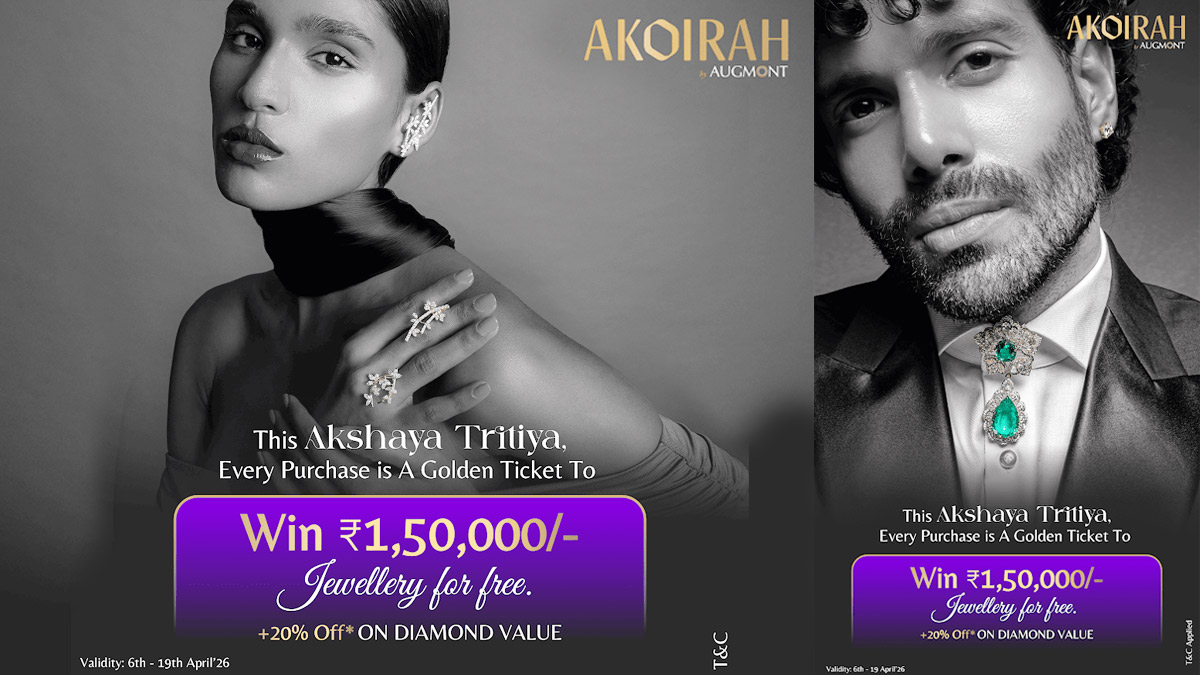
MUMBAI: Akoirah has launched a festive ‘Diamond Draw’ campaign across Mumbai, Navi Mumbai and Pune, aiming to add a dash of excitement to jewellery shopping ahead of Akshaya Tritiya.
Running from April 6 to 19, the limited-period initiative offers customers a chance to win diamond jewellery worth Rs 1.5 lakh with every eligible purchase. Winners will be announced in-store, with one winner selected per outlet, turning a traditional shopping ritual into a more interactive experience.
Alongside the draw, the brand is also offering a flat 20 per cent discount on diamond value during the campaign period, positioning the offer as both celebratory and value-driven.
The move reflects a broader shift in festive retail strategies, where brands are looking beyond straightforward discounts to create more engaging, experience-led campaigns. By linking each purchase to a unique entry in a store-specific draw, the campaign aims to keep participation simple while ensuring fairness across locations.
Speaking on the initiative, Akoirah founder Namita Kothari said the idea was to make festive buying more meaningful and rewarding. She noted that while Akshaya Tritiya remains deeply rooted in tradition, customers today are increasingly seeking memorable shopping experiences alongside value.
The campaign also taps into evolving consumer preferences, with buyers leaning towards lighter, design-led jewellery rather than purely weight-based purchases. This shift has encouraged brands to combine product appeal with experiential elements to drive footfall and engagement.
Backed by digital promotions and in-store activations, the Diamond Draw campaign is expected to build momentum during the festive window. As competition intensifies around key buying occasions, initiatives like these underline how jewellery brands are reimagining the retail experience to keep customers coming back for more than just the sparkle.







