Brands
Nike takes a walk with Yu-Gi-Oh! for Joey Wheeler-inspired Air Max 95

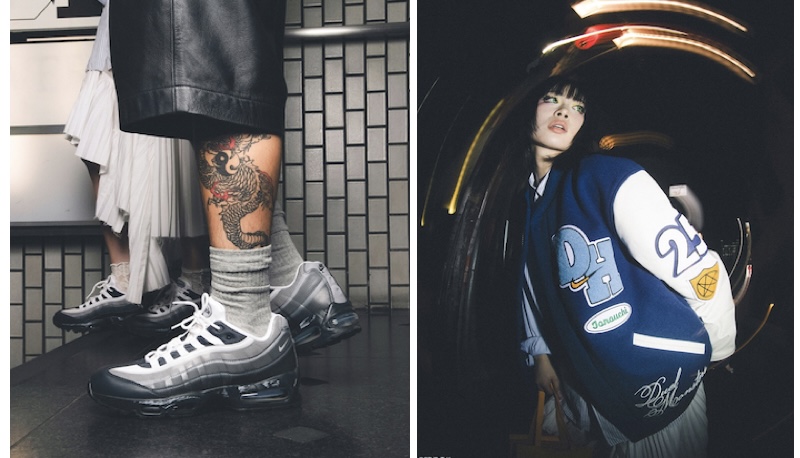
MUMBAI: Konami Cross Media NY and Nike have cut a deal that pulls one of anime’s most beloved universes straight into sneaker culture. The new Nike Air Max 95 QS YGO, inspired by Kazuki Takahashi’s Yu-Gi-Oh!, lands this September alongside a capsule of apparel. At its heart: Joey Wheeler—Yugi’s brash, loyal sidekick—recast as a global athlete.
The tie-up is more than a simple branding exercise. It comes with a full-blown campaign fronted by the original English and Japanese voice actors from the anime series, blurring the line between nostalgia and contemporary fashion. For fans who grew up duelling with trading cards or glued to Toonami, the sneaker is both a collector’s item and a wearable badge of fandom.
Konami Cross Media senior vice-president of licensing and marketing Jennifer Coleman said Nike’s handling of the project had been “extraordinary”. She credited the brand with bringing “passion, care and attention to detail” and praised its “unique vision of Yu-Gi-Oh! characters and fans as athletes”, a framing she said would “redefine how audiences connect with their favourite characters, especially Joey Wheeler.”

Nike, never shy of myth-making, pitched the collaboration as part of its broader belief that sport is a limitless canvas. Dave Vericker, the company’s senior director of neighbourhood merchandise, said: “We didn’t invent this lore: it was born organically from the community. Through our partnership with Konami, we wanted to show love to longtime fans and inspire the next generation by bringing a beloved, mythical story to life through design.”
The collection is built around two centrepieces: a global release of the “Joey” colourway and apparel on 12 September via Nike’s Snkrs app and select partners, and a Japan-exclusive “Jonouchi” version—named for the character’s original manga identity—dropping on the same day in local stores.
The timing is apt. Yu-Gi-Oh! has spent more than 25 years as a fixture in global pop culture, with over 1,000 anime episodes, countless manga volumes and one of the world’s most enduring trading card games. For Nike, the collaboration is both a courtship of older millennial collectors and a way to seed loyalty among Gen Z and Gen Alpha, for whom anime has become as much a cultural touchstone as sport.
Nike’s mission statement has long been: “If you have a body, you are an athlete.” This partnership stretches that definition further—suggesting that even duelists, strategists and manga heroes can lace up and join the ranks.






Brands
Samsung certifies 1,000 Maharashtra students in AI and coding
The South Korean electronics giant marks its first large-scale skilling push in the state, with women making up nearly half the national programme’s enrolment
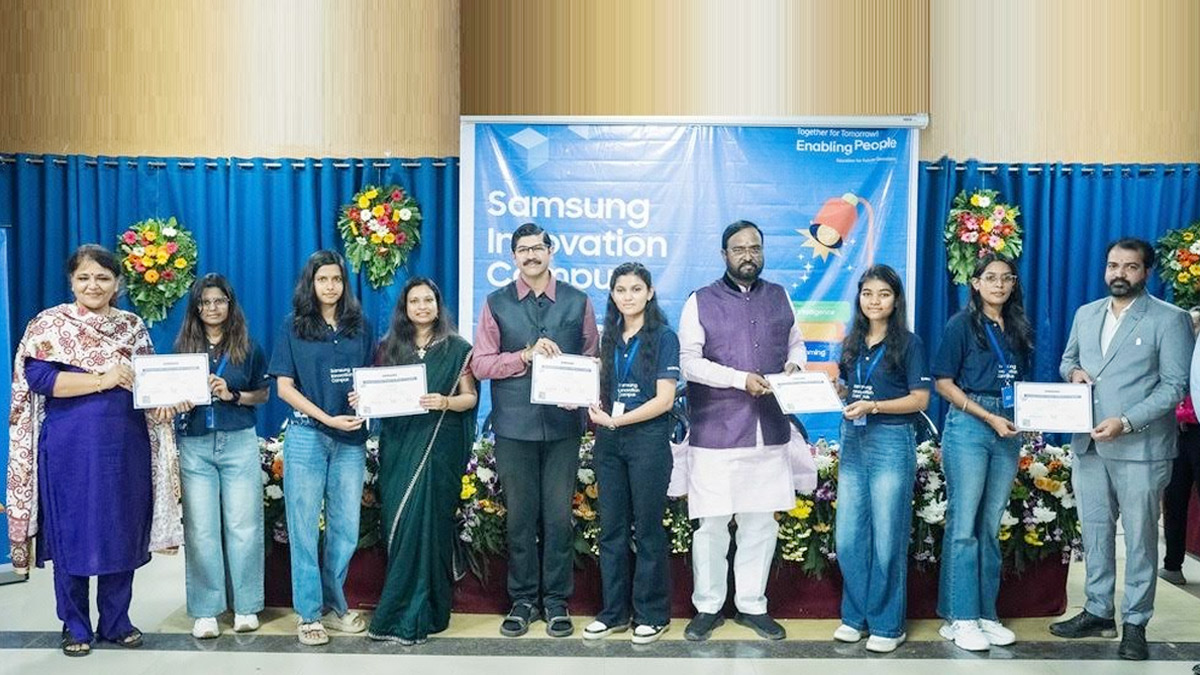
PUNE: Samsung has put 1,000 students in Maharashtra through a certified training programme in artificial intelligence and coding, the largest such drive the South Korean electronics company has run in the state and a signal that corporate India’s skilling ambitions are moving well beyond the boardroom brochure.
The certifications were awarded under Samsung Innovation Campus (SIC), the company’s flagship corporate social responsibility programme, which launched in India in 2022 with the stated aim of democratising access to future-technology education. The 1,000 graduates were drawn from four institutions: 127 from Savitribai Phule Pune University, 373 from Pimpri Chinchwad University, 250 from D.Y. Patil University’s Ramrao Adik Institute of Technology and 250 from Anjuman-I-Islam’s Kalsekar Technical Campus. All completed training in either AI or coding and programming, the two disciplines Samsung has identified as the critical pillars of the digital economy.
The programme does not stop at technical training. Soft-skills development and career-readiness modules are baked into the curriculum, a deliberate attempt to close the gap between what universities teach and what employers actually want.
“India’s digital growth story will ultimately be shaped by the quality of its talent pipeline,” said Shubham Mukherjee, head of CSR and corporate communications at Samsung Southwest Asia. “As technologies like AI move from the periphery to the core of industries, skilling must evolve from basic training to building real-world capability. This milestone in Maharashtra reflects how industry and academia can come together to create a future-ready workforce that is both globally competitive and locally relevant.”
The Maharashtra drive sits within a rapidly scaling national effort. Samsung Innovation Campus trained 20,000 young people across India in 2025, hitting its stated target for the year. Women account for 48 per cent of national enrolments, a figure the company cites as evidence of its push for an inclusive technology ecosystem. The programme is implemented in partnership with the Electronics Sector Skills Council of India and the Telecom Sector Skill Council.
Samsung, which is marking 30 years in India this year, runs SIC alongside two other initiatives, Samsung Solve for Tomorrow and Samsung DOST, as part of a broader effort to build what it calls a generation of innovators with both the technical depth and the problem-solving mindset to thrive in a fast-moving digital world.
A thousand certified students is a tidy headline. Whether they find jobs that match their new skills is the harder question, and the one that will ultimately determine whether corporate skilling programmes like this one are genuine pipelines or well-photographed gestures.






