MAM
Neeraj Sharma joins Globale Media as vice president, global business

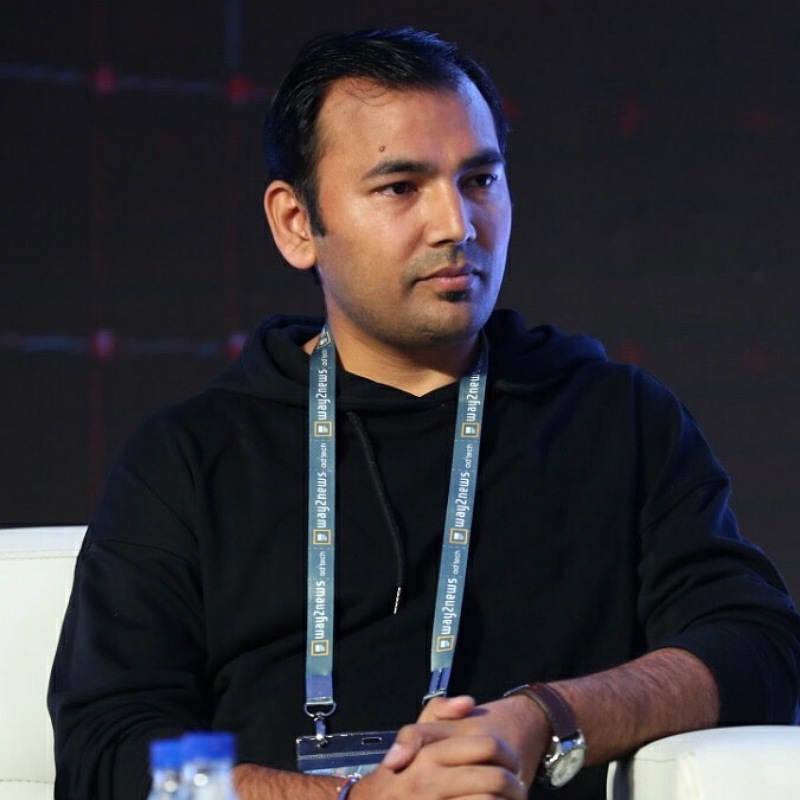
Mumbai: AI-driven mobile advertising platform Globale Media has announced Neeraj Sharma’s appointment as vice president, global business. In this role, Sharma will advise on the strategy and critical decisions in the APAC market where digital penetration is skyrocketing, said the company in a statement.
Sharma brings over 14 years of experience in digital and mobile advertising, with his previous experience at Mobvista as country manager South Asia & MEA. He has also served at Seventynine – SVG Media Pvt Ltd as regional manager of sales.
“We are delighted to continue our growth in APAC. With Neeraj Sharma’s appointment, we are marking a significant milestone for our global vision,” said Globale Media founder and CEO Bhavesh Talreja. “Neeraj has extensive experience working within rapidly scaling organizations and digital marketing technology. He excels at defining GTM & revenue strategies, strategic alliances, and at leading multicultural teams across different business verticals. His experience will undoubtedly help us to get the message of Globale Media’s unparalleled offering out to the market.”

In his previous role at Mobvista, Sharma has successfully defined GTM strategy for the Indian subcontinent, Middle East & Africa, led business growth and marketing initiatives, and represented the company at various platforms and industry events. In 2020 he was also felicitated by World Marketing Congress and CMO Asia as one of the 100 smartest Digital Marketing Leaders.
“I am looking forward to working closely on strategy with the dynamic team of Globale Media, as the business continues upon its growth trajectory,” said Sharma on his new assignment. “I am excited to be equipped with the opportunity to help Globale Media further extend innovative solutions and deliver world-class service to the app marketers.”






Brands
Astrotalk sees 50 per cent rise in career, relocation queries amid global tensions
Parents lead surge as families rethink overseas plans in uncertain times

NEW DELHI: Astrotalk has reported a sharp 50 per cent rise in queries related to education, careers and relocation, as geopolitical uncertainties prompt Indian families to rethink their future plans.
The spike, compared to March 2025, reflects a noticeable shift in how decisions are being made. What was once driven by ambition is now increasingly shaped by caution. These queries now account for nearly 40 per cent of all consultations on the platform, signalling a growing appetite for guidance in uncertain times.
Parents are leading this trend, contributing 73 per cent of the increase. Much of the focus is on children at key life stages, particularly those aged 16, 18 and 21. Questions around overseas education and travel feasibility are becoming more frequent, especially among parents of 18-year-olds weighing global opportunities against rising instability.
About 35 per cent of the queries centre on education and relocation, while another 27 per cent come from parents planning early for younger students. These include decisions around subject choices and coaching pathways, aimed at staying competitive in what many perceive as a tightening global economy.
The concern is not limited to students. Around 25 per cent of queries are from working professionals with four to five years of experience who had earlier planned to move abroad but are now reassessing timelines and destinations. Another 13 per cent come from soon-to-be graduates reconsidering international study plans and long-term settlement goals.
Commenting on the trend, Astrotalk founder and ceo Puneet Gupta said, “This is the first time we’re seeing global mobility being questioned at scale by Indian families. Parents today are not just planning for opportunity, they are planning against disruption. Whether it’s visas, job markets, or geopolitical shifts, there’s a visible anxiety around stability, and that’s driving earlier, more cautious decision-making for their children.”
As uncertainty continues to shape global narratives, platforms like Astrotalk are finding themselves at the intersection of decision-making and reassurance. For many families, the future is no longer just about where to go next, but whether to go at all.






