MAM
Navigating the risks of electric vehicle startups

Mumbai: The electric vehicle (EV) transition is well under its way in India. As our urban centers swell and environmental concerns grow, the attraction of EVs only increases. Yet, for startups in this promising industry, the road is filled with both grand opportunities and formidable challenges.
Today, an EV startup begins its journey in the backdrop of robust government support and a societal shift towards sustainability. The government has implemented measures such as the faster adoption and manufacturing of hybrid and electric vehicles (FAME) scheme, which incentivizes both manufacturers and consumers through subsidies and benefits. This policy framework is critical because it lowers the barriers to entry for new players and reduces the cost burden on consumers. Additionally, as environmental consciousness rises among our population, more consumers are drawn to EVs as a cleaner alternative to traditional combustion engines.
However, the path for EV startups is not without obstacles. One of the most significant hurdles is the high initial cost of electric vehicles, primarily due to the expensive batteries that power them. These costs pose a considerable challenge in pricing EVs competitively against conventional vehicles. Additionally, the infrastructure for charging these vehicles is still in its infancy. The lack of widespread and easily accessible charging stations and battery swapping facilities creates ‘range anxiety’ – a concern that EVs can’t undertake long journeys without running out of power.

Compounding these challenges is the dependency on international markets for critical components like lithium, used in batteries. This reliance exposes Indian startups to global supply chain volatility and potential disruptions, which can impact both production schedules as well as costs. While diversifying supply sources and investing in local capacities may mitigate these issues, they don’t help in the short term. Furthermore, the current market offers limited models of EVs, limiting consumer choice and potentially slowing down the rate of adoption.
Despite these challenges, there are also vast opportunities. The ongoing expansion of charging infrastructure, driven by both public and private investments, promises to gradually alleviate range anxiety. This expansion will not only make EVs more practical for daily use but also opens up new business avenues for startups focused on charging solutions and battery technology.
Potential technological collaborations also present another bright spot. Partnerships between Indian startups and leading global tech companies can introduce cutting-edge advancements in battery life and vehicle efficiency into our market. These collaborations are vital for keeping pace with the rapid technological evolution in the EV space and staying competitive against both domestic and international automotive giants.
Also, as mentioned earlier, growing urban congestion will boost demand for efficient and clean transportation, offering a continuously growing market for EVs. This local growth, coupled with the potential for exporting to other developing nations, provides a lucrative opportunity for scale and impact.
However, navigating this landscape requires more than just innovative technology and government support; it demands a strategic approach to managing risks. EV startups must be agile, ready to adapt to technological advancements and leverage data analytics to anticipate shifts in consumer preferences. They must also continue advocating for consistent government policies to ensure a stable investment and operational climate.
Ultimately, the success of EV startups in India will hinge on their ability to turn these challenges into stepping stones. By leveraging government incentives, adopting advanced technologies, and continuously innovating in response to infrastructure and market needs, these companies can not only survive but thrive. The journey of electric vehicle startups in India will indeed be a testament to the dynamic interplay of risk and opportunity – a story of navigating uncharted territories to build the future of our transportation.
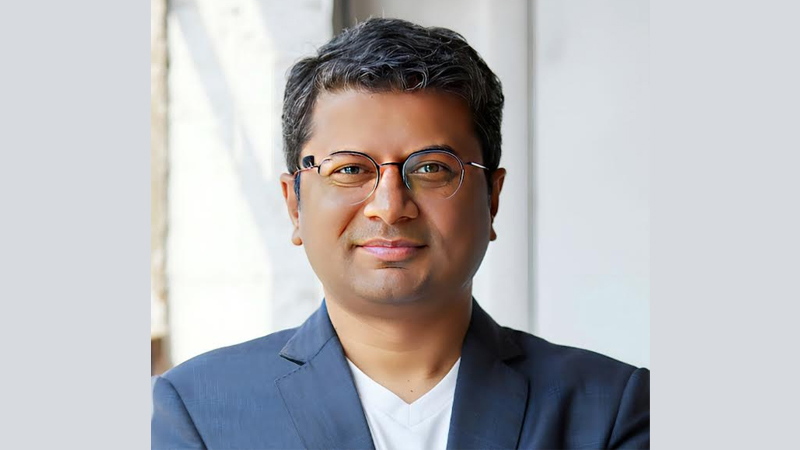
The article has been authored by entrepreneur and graduate of Harvard Business School Sajju Jain.







MAM
Beacon Group appoints Dr Rajesh Patel as Group CEO
36-year healthcare veteran to lead Beacon Diagnostics, Vector Biotek, Biogeny.
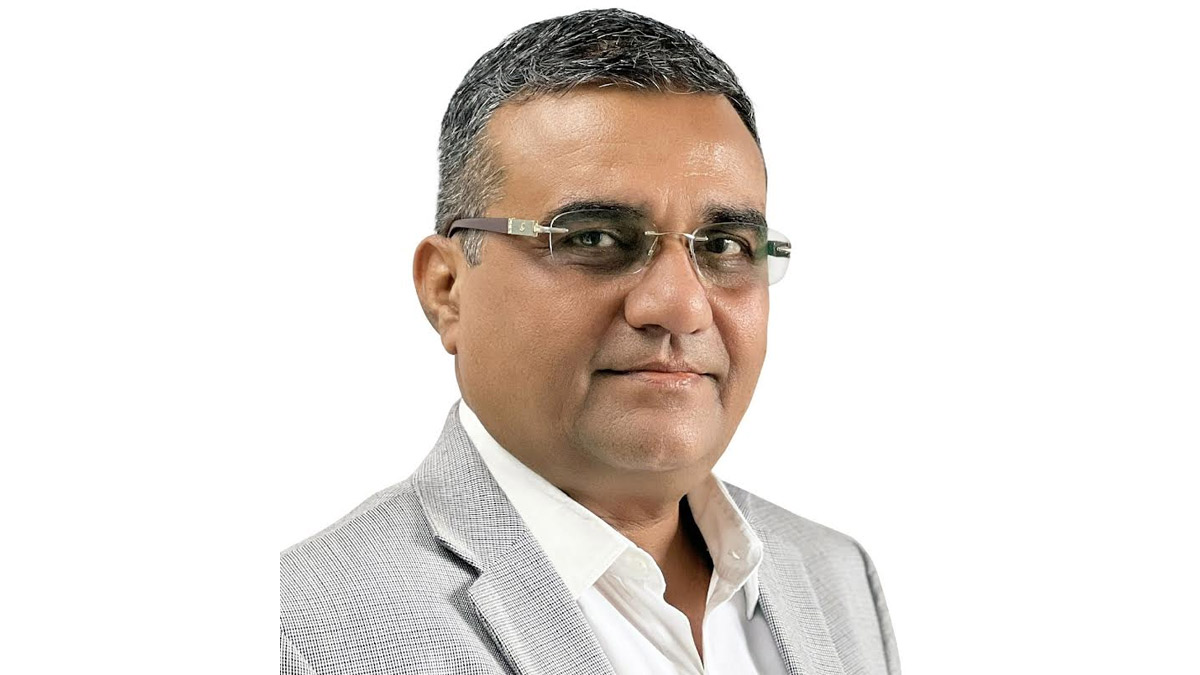
MUMBAI: A new chief, a fresh diagnosis and a sharper prescription for growth. Beacon Group has appointed Dr Rajesh Patel as its Group Chief Executive Officer, effective April 1, 2026, signalling a decisive push to scale its presence in the diagnostics and IVD space. Patel steps into the role with 36 years of experience across the healthcare and diagnostics industry, bringing a career shaped by leadership roles spanning sales, marketing, business development and operational strategy. His mandate is both expansive and precise: to steer the group’s overall strategic direction while tightening coordination across its three core entities Beacon Diagnostics, Vector Biotek and Biogeny Diagnostics.
In practical terms, that means driving cross-company synergies, accelerating market expansion and strengthening organisational capability areas increasingly critical as diagnostic players compete for scale in a fragmented yet rapidly evolving healthcare ecosystem. The group is positioning itself to capture unmet demand across chain laboratories, key accounts and standalone labs, segments that remain underserved despite growing diagnostic needs.
The appointment comes at a time when the In Vitro Diagnostics (IVD) sector in India is entering a more competitive and innovation-led phase, with companies focusing not just on product pipelines but also on service delivery, integration and customer-centric models. Beacon’s leadership appears to be betting that Patel’s execution-focused approach can help translate ambition into operational momentum.
Welcoming the appointment, Chairman Dr D K Joshi described Patel’s induction as a strategic move aligned with the group’s long-term vision, emphasising the role of leadership depth in navigating the next phase of growth.
For Beacon Group, the message is clear, in a sector where precision matters, leadership is the new differentiator—and this appointment is intended to set the tone for what comes next.






