MAM
narrative ropes in Rajdeepgiri Goswami as creative director

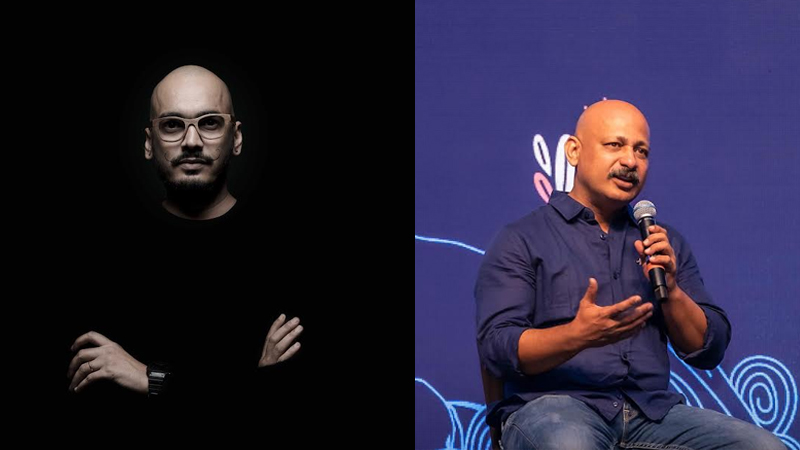
Mumbai: narrative, a branding and communication agency has appointed Rajdeepgiri Goswami as its creative director – art. With an illustrious career spanning 15 years, Goswami brings a wealth of expertise in steering the complete creative trajectory of brand campaigns. Prior to joining narrative, he held pivotal roles at globally renowned agencies including Ogilvy, Leo Burnett, Publicis, and Plan B. Notably, his tenure as creative director at Wildcraft also afforded him invaluable insights from the client-side, enriching his creative odyssey.
Goswami holds a Bachelor of Fine Arts degree from the esteemed Maharaja Sayajirao University of Baroda, an institution renowned throughout Asia for its mastery in Fine Arts. Beyond the canvas of design, he is also associated with many noble causes, having founded the KA-KHA-GA Foundation, a non-profit organization dedicated to empowering special-needs children through education. Additionally, his innovation shines through the Tenpoints Braille, a pioneering marvel simplifying Braille reading. He not only has a strong design prowess but is equally attuned to creativity, empathy, and an unwavering desire to infuse the world with inclusivity and beauty.
Commenting on the new appointment, narrative founder Rohit Varma said, “narrative has been focused on brand development, communication and campaign strategy as its core service offerings, and I believe Rajdeepgiri will add huge value to the organisation. His skills and experience will help the internal team and the organisation’s positioning in the market. We are expanding, and getting talent on board who are passionate and driven to do more. We are aiming for excellence in design and we welcome Rajdeepgiri onboard to join us in this mission.”

Speaking on his appointment, Goswami said, “narrative works on a range of projects with a variety of clients, which will allow me to learn and improve in other areas of design. It features creative spaces that inspire designers to be imaginative and take chances. Having collaborative workspaces where designers can come together to build solutions for clients is a terrific method for me to learn while also improving my talents. I am committed to making a significant contribution to the current design process by using my skills and perspectives. I’m thrilled by the prospect of working on fresh and fascinating projects in the future. These opportunities not only provide opportunities for personal and professional development but also allow me to collaborate with a dynamic team to bring new ideas to life. I also look forward to working with Rohit, who is a great mentor. I have a lot to learn from his expertise.”
Goswami will be based in Bangalore.


MAM
De Beers launches ‘A Diamond Is Forever’ centenary book
Visual retrospective traces 100 years of iconic slogan and cultural impact.
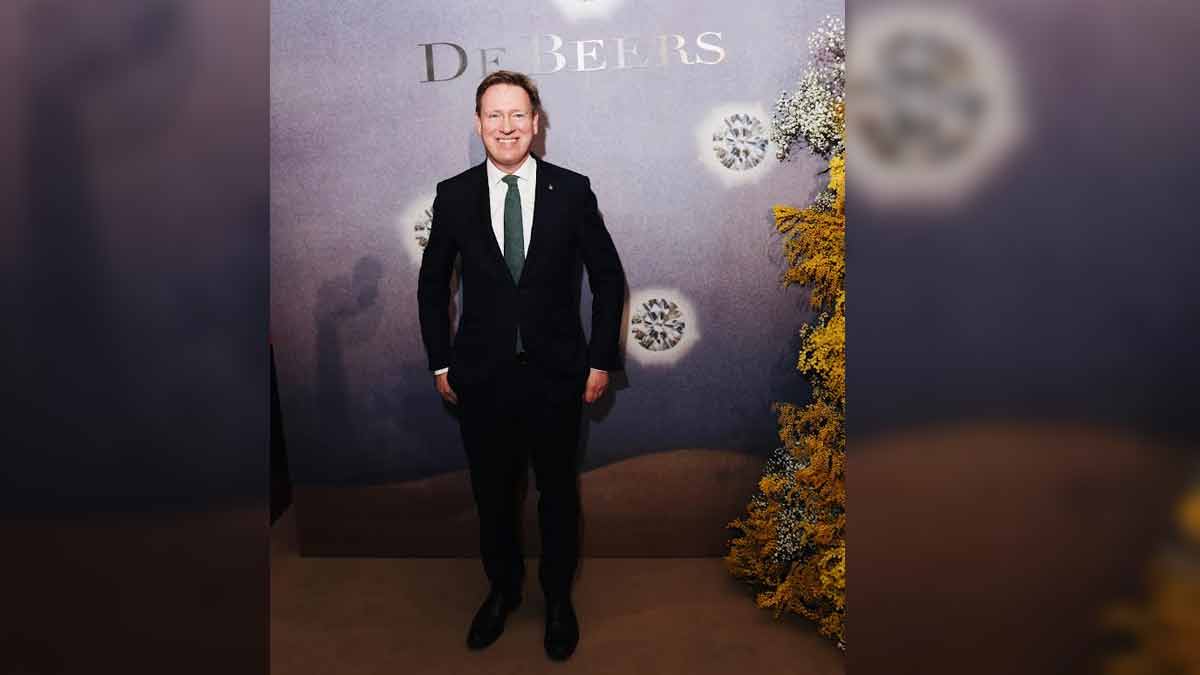
MUMBAI: De Beers just dropped a century’s worth of sparkle between two covers because when a four-word line becomes forever, even the book needs a forever title. De Beers Group has released A Diamond Is Forever: The Making of a Cultural Icon 1926–2026, a landmark visual retrospective celebrating 100 years of shaping the modern perception of natural diamonds. The book traces how the brand transformed diamonds from elite heirlooms into universal symbols of love, commitment and personal achievement, with rare archival material, campaign highlights and cultural commentary.
At its core is the legendary 1947 slogan “A Diamond Is Forever,” penned by N.W. Ayer copywriter Frances Gerety. The four words redefined diamonds as eternal promises, earning the title of the 20th century’s greatest advertising slogan from Advertising Age in 1999. The book explores how this idea and others like the “Two Months’ Salary” guideline and the “Right Hand Ring” influenced social rituals, female independence and consumer behaviour worldwide, including in India, where diamonds shifted from gold-centric traditions to emotionally resonant milestones.
Beyond marketing, it showcases collaborations with artists like Pablo Picasso, Salvador Dalí and Raoul Dufy, alongside icons such as Marilyn Monroe and Elizabeth Taylor. Later campaigns, including the 1990s “Shadows” series set to Karl Jenkins’ Palladio, reinforced diamonds as timeless and unique. The narrative also addresses today’s focus on provenance, sustainability and ethical stewardship, positioning natural diamonds as symbols of both enduring love and responsible luxury.
The book arrives as De Beers marks a century of innovation in luxury marketing, from the Great Depression to the era of conscious consumption, offering a rare window into one of advertising’s most enduring brand stories.
In a world where trends fade fast, De Beers didn’t just sell diamonds, it sold forever, and now it’s bound the proof in pages that will outlast even the hardest carat.








