MAM
Mullen Lintas appoints Hari Krishnan as CEO, effective from Jan 2020

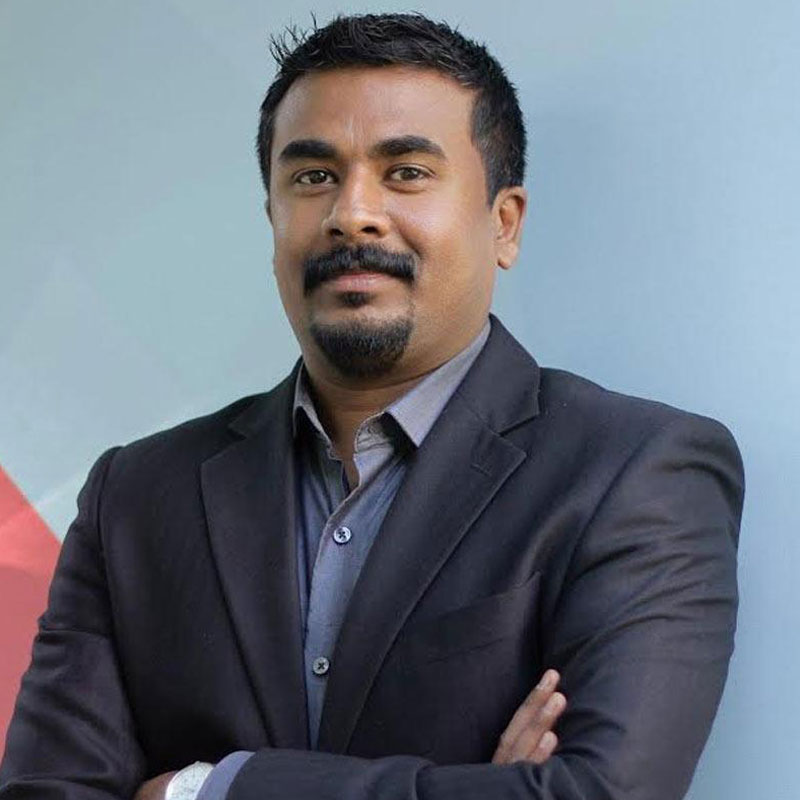
MUMBAI: Mullen Lintas has announced the appointment of Hari Krishnan as the chief executive officer of the company. The appointment will be effective, January 2020. Krishnan moves from Lowe Lintas, where he was the president and spearheading the South operations of the agency.
MullenLowe Lintas Group CEO, Virat Tandon said, “When we were looking for the best person to lead the agency as CEO, Hari was a natural choice. He has the best credentials in the country as a P&L leader, an entrepreneur and as a brand and idea champion.”
Tandon said,” Hari's appointment is another big step to ensure that Mullen Lintas lives up to its purpose of Challenger Thinking and offers clients a credible alternative to the top 2-3 agencies.”

According to the Group CEO, Hari’s insatiable appetite for growth, challenges, and creative excellence makes him the perfect candidate to drive Mullen Lintas into its next phase of growth and discovery.
Mullen Lintas CEO Hari Krishnan said “If Lowe Lintas is like an aircraft carrier in the high seas – solid, powerful and battle-ready 24/7, then Mullen Lintas is a turbocharged, supercar with a V12 engine that has zoomed its way into the top 10 list, punching well above its weight and leaving behind some of its illustrious counterparts.”
According to Krishnan, the creative firepower, pace, agility and intensity of Mullen Lintas is just what brands need in a marketing world that is mutating and evolving rapidly.
Being scary and excited to embark new journey, Krishnan said, looking forward to partnering the amazingly talented and passionate gang of Mullenials.
Donning the new role at Mullen Lintas, his mandate will be to further strengthen the agency's position and reputation in the industry.
Krishnan has worked across multiple product categories and consumer segments with and experience of over 20 years in the advertising and marketing industry. Before his stint at Lowe Lintas, South, he was the CEO of MullenLowe Group, Sri Lanka where he led the acquisition and transformation of the agency leading it to become the Effie Agency of the Year back in 2015.
From global brands to start-up brands, Krishnan has partnered a diverse portfolio and has led large multi-cultural teams and P&L operations successfully. He has experience working with brands such as GREY Global, JWT and was VP Marketing at Star TV, in the past.
The key brands he has partnered include Unilever, Britannia, MRF, Flipkart, Swiggy, Phonepe, Tanishq, Fastrack, Titan, Arvind Brands, Parle, Ferrero Rocher, 3M, DELL, Ford, Maruti Suzuki, Audi, Future Group amongst others.
Under his watch at Lowe Lintas, Bangalore, the agency has seen a slew of new business acquisitions such as PhonePe, Xiaomi, ShareChat, MedLife, Cure.fit, Lenskart, Cricbuzz, 3M Scotch Brite, Manipal Healthcare, Britannia Timepass, Shell Lubricants, etc.





MAM
Tanishq launches ‘Lekhinis’ campaign celebrating modern Telugu woman
Olympic medallist P.V. Sindhu features in new film honouring women who author their own stories.
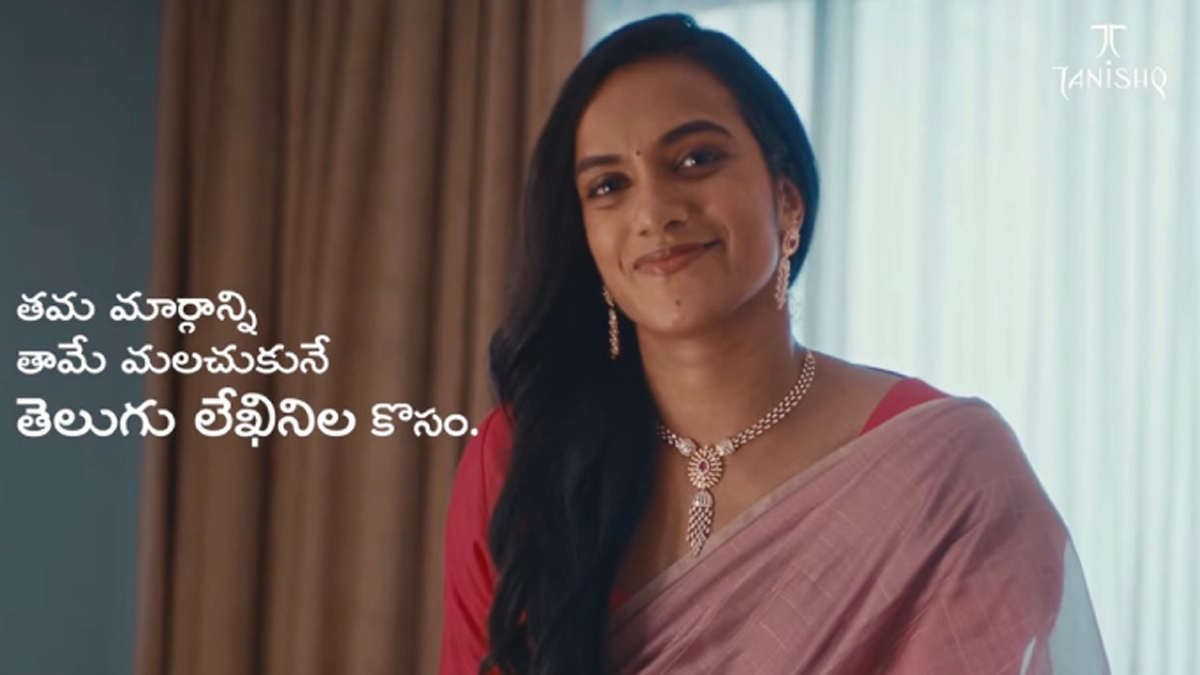
MUMBAI: Tanishq has found the perfect way to sparkle this season by letting the modern Telugu woman write her own glittering chapter. The Titan Company jewellery brand has unveiled its latest campaign, centred on the idea of ‘Lekhinis’ women who are the authors of their own stories. Featuring Olympic medallist P.V. Sindhu as the narrator, the campaign celebrates the evolving identity of women in Telangana and Andhra Pradesh, where modern aspirations blend seamlessly with deep-rooted traditions.
The film captures everyday moments that reflect quiet strength and confident individuality. It portrays women who embrace change while staying grounded in their heritage, reimagining traditions with sensitivity rather than rebellion. Conceptualised by Lowe Lintas, the campaign aims to strengthen Tanishq’s emotional connection with regional audiences by honouring women who shape their identities with authenticity.
Titan Company Limited chief marketing officer of Tanishq Pelki Tshering said the campaign is a tribute to women who remain rooted yet redefine their journeys every day. “She has always been at the heart of everything we do our muse, our inspiration,” she noted. “Through our designs and storytelling, we strive to be a lifelong companion in her journey.”
P.V. Sindhu shared that the campaign resonated with her own life. “What drew me to this campaign with Tanishq is its honest celebration of the modern Telugu woman. The story reminded me of my own journey working hard at what I love, with the support of my family and coaches, and growing stronger every step of the way.”
Akshay Sundher, Director at Lowe Lintas, described the making of the film as a beautiful experience, highlighting the emotional hospital scene, Sindhu’s warmth, and strong teamwork behind the project. The music by Madley Blues forms the soul of the film.
Through this initiative, Tanishq continues its tradition of crafting jewellery that mirrors a woman’s identity, celebrates her milestones, and reflects her cultural pride.
In a world of fast-changing roles and traditions, Tanishq has delivered a campaign that shines not through loud statements, but through quiet, confident storytelling much like the women it celebrates.






