Brands
MRSI’s new code cracks the ethics code as India’s insights industry evolves

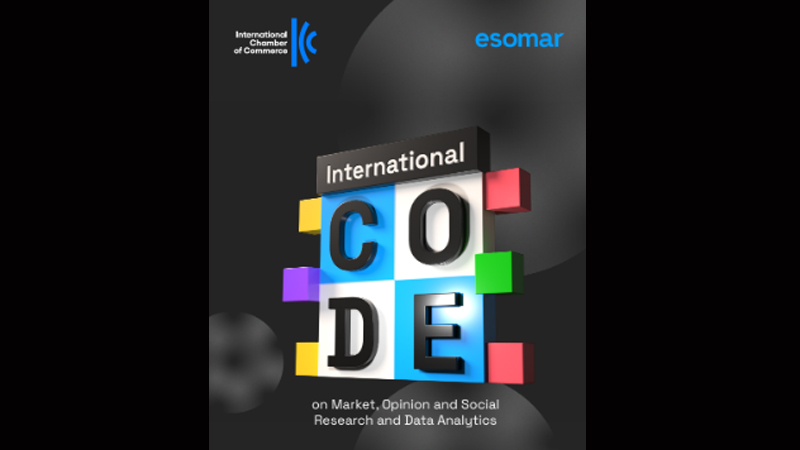
MUMBAI: The Market Research Society of India (MRSI) has formally adopted the ICC/ESOMAR International Code on Market, Opinion and Social Research and Data Analytics 2025: a global gold standard shaping how research is conducted across more than 50 countries.
The updated code, refreshed for an era dominated by AI tools, synthetic data, automation and sprawling digital ecosystems, aims to bring sharper guardrails to a fast-changing insights industry. Developed jointly by Esomar and the International Chamber of Commerce since 1977, the Code is recognised by over 60 industry associations worldwide.
As India’s leading industry body for research and insights since 1988, MRSI said the adoption reinforces its commitment to ethical, transparent and globally benchmarked practices. Its Professional Standards Committee (PSC), established in 2020, will continue to enforce compliance and take disciplinary action when members fall short. The committee is chaired by Sathyamurthy Namakkal (Co-founder, DataPOEM), supported by Abhinav Goel (Nestlé India), Anjana Pillai (Quantum Consumer Solutions), Jyoti Malladi (Ipsos India) and Priyamvada Sharma (Godrej Consumer Products).

What’s new in the 2025 Code?
The revamped guidelines sharpen expectations across five key areas:
● Duty of care: Stronger safeguards for children, young people and vulnerable groups.
● Data minimisation: Collect only what’s necessary, protect it stringently, and anonymise it once used.
● AI & emerging tech: Clear rules for responsible AI deployment, transparency and privacy as technologies reshape research.
● Fit-for-purpose research: Ensuring that studies truly represent the populations being measured — including when using self-service platforms.
● Transparency & accountability: Mandatory disclosures on methods, data sources and limitations so clients can assess research integrity.
MRSI and chief growth & partnerships officer president Nitin Kamat at TAM Media Research, said the move “reiterates our commitment to ethical excellence and responsible data practices… signalling that member companies are stronger partners to deliver research clients can trust with complete confidence.”
Esomar president Anne-Sophie Damelincourt called MRSI’s adoption “a milestone that reflects India’s leadership in ethical research,” adding that it strengthens global collaboration and reinforces industry-wide trust.
The Code will come into effect in India from April 1, 2026, giving the industry time to align operations with the refreshed norms.
With this update, MRSI isn’t just keeping pace with global standards, it’s ensuring that in the race for insight, ethics don’t fall behind.






Brands
Tanishq enters natural gemstone segment with Triptii Dimri campaign
Hues collection debuts ahead of Akshaya Tritiya, spotlighting self-expression

MUMBAI: Tanishq is stepping into the natural gemstone jewellery space with a new campaign featuring actor Triptii Dimri, marking a strategic expansion ahead of Akshaya Tritiya.
The launch introduces the brand’s latest collection, ‘Hues’, a design-led range crafted in 18kt gold and built around 100 percent natural gemstones. The move signals Tanishq’s intent to tap into a fast-growing category driven by consumers seeking authenticity, individuality and expressive styling.
Conceptualised by Lowe Lintas, the campaign film leans into the idea of colour as a form of self-expression. Set in a muted, almost paused world, the narrative comes alive as Dimri selects her jewellery, triggering a burst of colour that transforms her surroundings. The visual metaphor captures how jewellery is evolving from occasion-led adornment to a more personal, mood-driven choice.
The ‘Hues’ collection draws inspiration from the vibrancy of an Indian summer, featuring gemstones such as emeralds, amethysts, citrines, tourmalines and tanzanites. With sculptural forms and techniques like cabochon cuts and layering, the designs aim to bring depth, movement and a contemporary aesthetic to fine jewellery.
Titan Company Limited chief marketing officer Pelki Tshering said, “‘Hues’ marks a bold new chapter as we introduce natural gemstone jewellery in India. The collection reflects the evolving Tanishq woman who is expressive and confident, and seeks jewellery that mirrors her individuality.”
Sharing her perspective, Triptii Dimri said, “What I love about this collection is how it celebrates self-expression through colour. It feels less about occasion and more about expressing who you are in the moment.”
Priced from Rs 30,000, the collection is positioned for both everyday wear and special occasions. To coincide with the festive season, the brand is also rolling out promotional offers, including discounts on making charges and gold rate protection schemes.
With Hues, Tanishq is not just adding a new category but also reshaping how jewellery is worn and perceived, placing personal expression and colour firmly at the centre of its design philosophy.






