MAM
Mojostar-Tiger Shroff brand PROWL to have digital-only approach

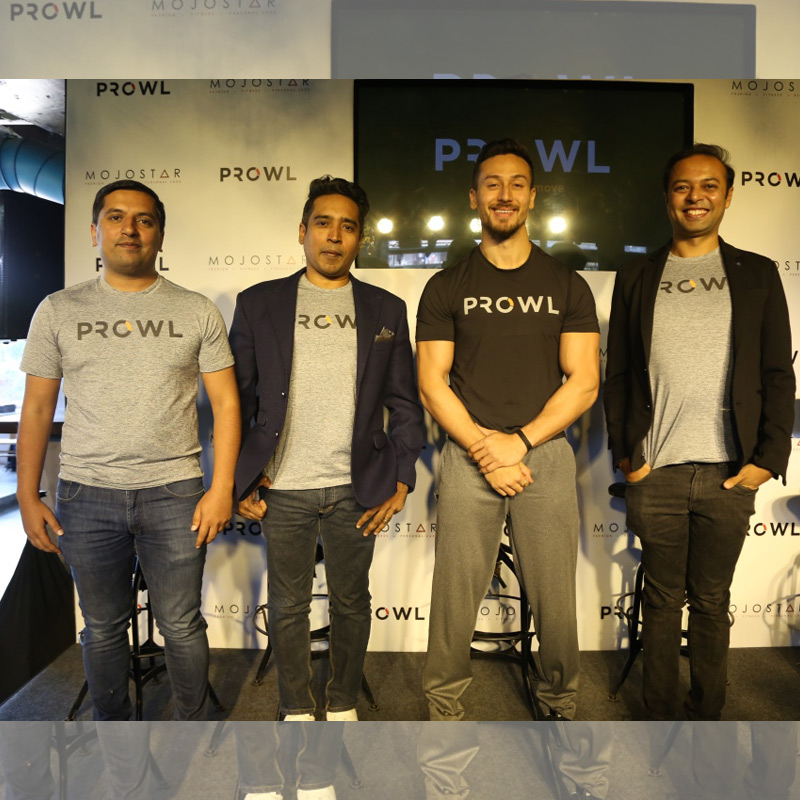
MUMBAI: Celebrities today are turning into entrepreneurs by becoming angel investors in startups or having their own line of brands. But rarely do we see celebrities taking that leap of faith and owning the brand, other than Salman Khan’s Being Human.
Bollywood actor Tiger Shroff unveiled a new active lifestyle brand called PROWL that is jointly created and owned by Shroff and Mojostar. This is the first brand launch for Mojostar, which is creating a house of lifestyle brands with celebrities. For Tiger, this marks his entry into the active lifestyle business, a space he is known for.
Launched in July last year, Mojostar is a joint venture of Kwan Entertainment and Dream Theatre. The brand is aimed at redefining the way retail brands are created in India where the company partners with top celebrities to co-create authentic, high-impact indigenous brands in the lifestyle space.

Mojostar envisions building a world-class ‘house of brands’ which leverages the power, draw, and allure of celebrities to provide enriching brand experiences to fans. It has a differentiated approach to create a house of lifestyle brands. It identifies high potential consumer white spaces in the lifestyle market, and matches them with celebrities who authentically represent that proposition.
The brand is targeted at people in the age group of 18-25 years who lead a very active lifestyle and are constantly on the move. They regularly transition from one activity to another and want to look awesome while doing it. PROWL aims to provide functional yet highly stylish clothing and accessories to fit the target consumer’s active lifestyles. The brand captures its purpose and proposition to consumers, in the tagline — ‘Ready to move’.
Mojostar CEO Abhishek Verma believes that there is a gap in the active wear market in products for hyperactive young Indians. He opines that traditional active wear brands have over-specified the products, whereas the young consumers want simplified functional products that offer great style. Products that help you look amazing, are suited for multi-functional movement and are easy to maintain, is the need of this market.
Shroff is thrilled about his new businessman hat and has been involved in creating the brand right from its logo to final product. He mentions, “This brand is a reflection of my identity and this is how I live. I love to be active through the day, which is why I want to wear something that is stylish, looks good, and yet gives me the freedom of uninhibited movement.”
The active wear industry in India stands at around $7 billion and is growing in double digits. The space is dominated by international brands, and PROWL aims to create a dent in this market by offering a combination of performance and style.
Although the website is expected to go live for consumers by June 2018, people can register themselves on prowlactive.com for an exclusive preview and to get a first hand experience during the launch. PROWL has its manufacturing units set up in China and India.
The products are expected to be priced between Rs 1000-3000, and will be available on all leading e-commerce platforms including Flipkart, Amazon and Myntra. The company is very clear that it will not have a dedicated app because it is cumbersome.
The brand will focus majorly on digital for its advertising and marketing rather than traditional media. Kwan entertainment MD and Mojostar founder Anirban Blah believes that investing on television is not beneficial for the brand as their target audience consume content on digital and social media platforms. Influencer marketing has become extensively popular in the last two years and PROWL is eyeing it too.
Mojostar also has Jacqueline Fernandez on board who will launch her own brand in fashion and beauty segment in March 2018. The company also has another A-list male celebrity on board but will only announce the name in April, before the final launch of the website.







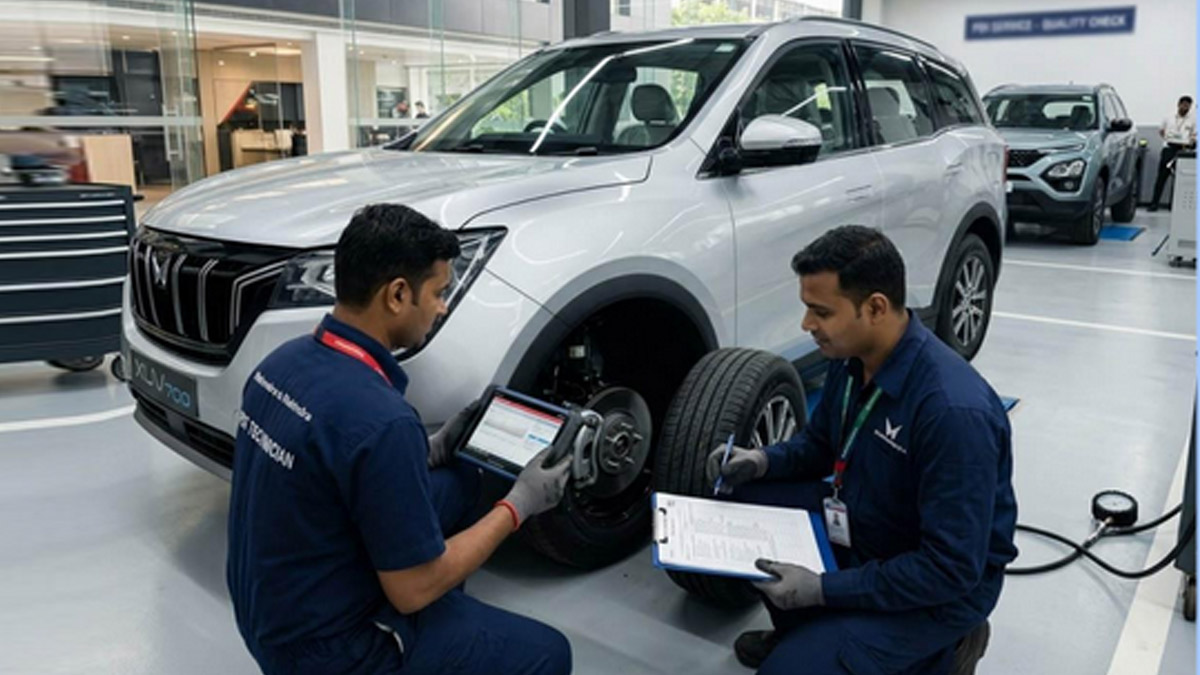
You have spent weeks researching, test driven a few options, finalised the colour and variant, and are now days away from taking delivery of your new car. It feels like the hard part is over. But there is one step that most buyers skip entirely, and it is the one that protects everything else. Understanding what PDI meaning covers and why it matters could save you from discovering a Rs 20,000 to Rs 80,000 problem after you have already signed the papers.
PDI stands for Pre-Delivery Inspection. It is a structured check that happens before your car is handed over to you. A proper PDI car service covers everything from paint quality and panel alignment to electrical systems, fluid levels and tyre pressure. Dealers are supposed to conduct this before delivery, but the depth of the check varies widely. And if the buyer does not know what to look for, problems slip through.
What Does a PDI Actually Cover?
A thorough PDI checks the car across four broad categories:
| Category | What Gets Checked | Common Issues Found |
| Exterior | Paint quality, panel gaps, glass, lights, tyres | Paint chips, uneven panel alignment, scratched glass |
| Interior | Seat upholstery, dashboard, AC, infotainment, switches | Loose trims, non-functional buttons, squeaks and rattles |
| Mechanical | Engine bay, fluids, battery, brakes, steering | Low fluid levels, minor leaks, battery not fully charged |
| Electrical | All lights, windows, central locking, sensors | Malfunctioning sensors, flickering displays, USB ports |
Each of these categories can hide issues that are minor at delivery but expensive if left unaddressed. A small paint chip near a door edge, for example, can lead to rust in a humid city like Mumbai or Chennai within 12 to 18 months.
What It Can Cost You to Skip the PDI
Here is a realistic look at what buyers have discovered after delivery that a proper PDI would have caught before:
• Paint defects requiring respraying: Rs 8,000 to Rs 25,000 depending on the panel
• Misaligned panels or doors that need workshop adjustment: Rs 3,000 to Rs 8,000
• Non-functional infotainment unit needing replacement: Rs 15,000 to Rs 40,000
• Scratched windshield that needs full replacement: Rs 6,000 to Rs 18,000
• AC not cooling properly due to low refrigerant: Rs 2,000 to Rs 5,000
• Tyre with a slow puncture from storage damage: Rs 3,000 to Rs 6,000
The total exposure from a single missed PDI can range from Rs 5,000 for minor issues to Rs 80,000 or more if multiple problems are found post-delivery. More importantly, proving that a defect existed before delivery becomes significantly harder once you have taken the keys.
Why Dealer PDIs Are Not Always Enough
Most dealerships do conduct a pre-delivery check on their own, but the process is not always as rigorous as it should be. There are a few reasons for this:
High Delivery Volumes
During festive season or at the end of a financial year, dealerships handle a surge in deliveries. When a service team is processing 15 to 20 cars a day, the depth of each check inevitably suffers.
Incentive Misalignment
Dealership staff are often incentivised on delivery speed and customer satisfaction scores. Finding a defect and sending a car back for rework delays delivery and affects scores. The incentive to look harder is not always present.
Buyer Unawareness
Most buyers arrive at delivery excited and in a hurry to leave. Without knowing what to look for, they miss things that a trained eye would catch immediately. Dealers know this, and the pressure to be thorough is lower when buyers are not asking questions.
What You Should Check Yourself at Delivery
Even if the dealer has completed their PDI, spend 20 to 30 minutes doing your own check at delivery. Here is a quick reference:
Check How to Do It Time Required Walk around in daylight Check all panels for scratches, chips and dents 5 minutes Open every door Check seals, check for rattles, test all windows 3 minutes Check interior thoroughly Test every button, switch and screen 5 minutes Start the car Look for warning lights, check AC, check all lights 5 minutes Check the boot Look for spare tyre, tools, jack and damage 2 minutes Inspect tyres Check pressure and look for sidewall damage 3 minutes
The Bottom Line
A PDI is not a formality. It is the last line of defence between you and a problem that the manufacturer or dealer should have fixed before you paid for the car.
Take the time to understand what the check involves, ask your dealer for confirmation that it has been completed, and do your own walkthrough at delivery. Twenty minutes of attention at this stage can save you weeks of workshop visits and tens of thousands of rupees down the line.