AD Agencies
Mobile surpasses TV in watch-time: Kantar IMRB-MMA Study

MUMBAI: An average consumer spent three hours per day on their smartphones (an increase of 55% from 2015), which surpasses time spent on television or any other media. The Mobile Marketing Association (MMA), in association with Kantar IMRB, has released a report on smartphones and feature phones usage and behaviour 2016-17 in India that studies the evolving nature of the Indian mobile consumers, and provides insights and behaviors individually on smartphones and feature phones.
“MMA India has collaborated with Kantar IMRB to deep-dive into the dynamics implications and impact of smart phones and feature phones India focusing on each category separately and giving each their due focus. The insights of this study will be published in a series of industry reports that will go a long way in helping marketers use the medium effectively and efficiently. It is a great data set for marketers to reassess and optimize their spending with the most impactful allocations in their marketing mix, while leveraging mobile with double digit spend,” said Mobile Marketing Association India country manager Preeti Desai.
A few key facts from the study are as follows:

On Smartphones
I. An average consumer spends 3 hours per day on their smartphones (an increase of 55% from 2015), which surpasses time spent on TV or any other media. Social media and messaging apps were the clear leaders accounting for almost 50% of all time spent on smartphones.
II. The study shows that Women spend 2x more time on their smartphones compared to Men – on YouTube and games. They also spent 80% more time on Facebook than their male counterparts.
III. Another finding revealed the rise of online shopping category, which now has 15% higher reach than the entertainment – making it the second most popular category in terms of reach.
On feature phones:
I. The study shows a whopping 75% of feature phone users were from the upper SECs, while only 25% of respondents were from SEC C, D and E (NCCS).
II. A big revelation has been that almost 85% feature phone users do not intend to switch to smartphones on their next purchase indicating that the functional benefits of feature phones combined with their durability, battery life and ease of repair were highly coveted by these users.
III. Feature phone users spend more money on their mobile plans. The ARPUs was almost 20% higher compared to the national average.
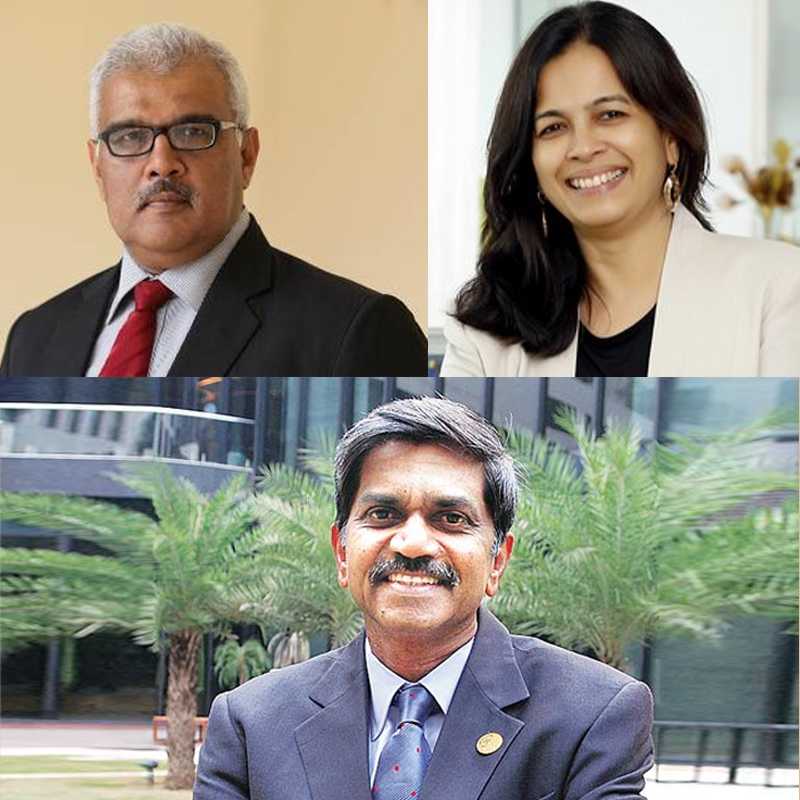
The Mobile Marketing Association chairman D Shivakumar said, “A thorough understanding of the differential usage and consumer segments that are using smartphones and feature phones will only help marketers use their monies more efficiently. While most designing and applications are being targeted at smartphones, this report is a wake-up call. Today, the mobile is undeniably the closest we can get to our consumers, and it is this that will help marketers seek to understand – and leverage – a consumer’s path to purchase.”
“With the advent of 4G, reduced data costs and free voice and SMS, we expect to see even more rapid changes in the mobile landscape. It is, therefore, important to keep a continuous pulse on the way consumers interact with and use their mobile phones. Along with MMA, we at Kantar IMRB have embarked on a journey to help marketers understand the impact of these changes and to identify emerging trends. The Smartphone and Feature phone reports are a step in this direction – providing an unbiased and insightful view on the evolution of mobile usage in India,” Kantar IMRB SVP Hemant Mehta added.
The report enables all members of the ecosystem to stay updated with consumer mobile trends and media consumption habits. Also at the same time, it elaborates the role of mobile as an influencer in the consumer path-to-purchase.







AD Agencies
Liqvd Asia wins four mandates, adds Rs 35 crore pipeline
New clients across sectors signal strong start to 2026 for agency
MUMBAI: Liqvd Asia has kicked off 2026 on a high note, securing four new mandates that are set to add roughly Rs 35 crore to its future business pipeline.
The digital-first agency has brought on board a diverse mix of clients, including Origami, Kasturi Foods, Sama.live and Woodland, spanning consumer goods, regional brands, emerging platforms and established players.
Each mandate comes with a tailored brief. While the agency will handle integrated marketing communications for Origami, it will manage creative, social and media duties for Kasturi Foods as the brand looks to expand beyond its Odisha stronghold. For Sama.live, the focus will be on building brand narrative and enterprise credibility, while Woodland’s mandate centres on digital and social storytelling.
For Liqvd Asia founder and managing director Arnab Mitra, the wins reflect a deliberate shift in how the agency positions itself. He said the focus is on being an integrated growth partner, combining strategy and creativity to deliver long-term brand value alongside business impact.
Echoing this, Liqvd Asia business head Monish Sanghavi, highlighted that the new partnerships align with the agency’s intent to build scalable and structured growth roadmaps, where creativity is anchored in data and performance is closely tied to outcomes.
From the client side, Kasturi Foods sees the collaboration as a step towards national expansion. The company said the partnership will help it balance its regional legacy with a sharper digital presence as it reaches new markets.
With a growing roster and a pipeline that is steadily thickening, Liqvd Asia appears to be turning early momentum into a broader statement. In a crowded digital marketplace, the agency is not just adding clients, it is adding intent.