MAM
Mobile services better, Airtel continues to lead: TNS Celltrack report


MUMBAI: The mobile telephony sector in India is not just growing but service providers seem to be getting better at meeting customer expectations.
According to the latest annual TNS CellTrack 2006 study, the already high TRI*M index for the industry – the metric that measures the strength of the ‘subscriber-service provider relationship’ – got even better, and is today at 82, up from 79 in 2005.
The performance of the Indian mobile industry measured by their ability to anticipate and meet customer expectations has been increasing consistently over time. From an industry average TRI*M Index of 55 in 2000, the Indian mobile industry has surely come a long way.

Airtel not only retained its number one position among the national players (see Figure 2), but also scored better, with the TRI*M Index up from 82 in 2005 to 90 this year. Hutch has also managed to improve their performance significantly and stays at second place, while Reliance with a TRI*M Index of 83 (80 in 2005) is third. Idea, BSNL and Tata Teleservices, have maintained performance but are significantly below the industry average of 82.
Among the regional players, the big surprise is MTNL – dislodging Spice to become the best regional player with a TRI*M Index of 100.
TNS India head of telecom practice Abraham Karimpanal says, “While it could be argued, and rightly so that MTNL is attracting a different profile of subscribers with different set of expectations, this war is all about each operator understanding and /or crafting, and then managing their subscribers’ expectations. Whether by design or otherwise, MNTL has surpassed all others at it.”
TNS CellTrack 2006 also tracks the evolving brand choice and purchase behaviour for handsets among the Indian mobile users.
Nokia continues to dominate the GSM market, with a 79 per cent market share. Motorola is the brand that has been able to significantly improve its share by almost doubling from three per cent in 2005 to seven per cent in 2006. Motorola’s gain is possibly Samsung’s loss as their market share has dropped from six per cent in 2005 to four per cent in 2006.
LG has consolidated its position as the market leader in the CDMA handset market. The current 49 per cent market share is an improvement of over 43 per cent market share LG had in 2005. While Nokia managed to retain its share of the CDMA handsets, Samsung and Motorola have lost market share from 17 per cent to eight per cent and 12 per cent to four per cent respectively.






MAM
Beacon Group appoints Dr Rajesh Patel as Group CEO
36-year healthcare veteran to lead Beacon Diagnostics, Vector Biotek, Biogeny.
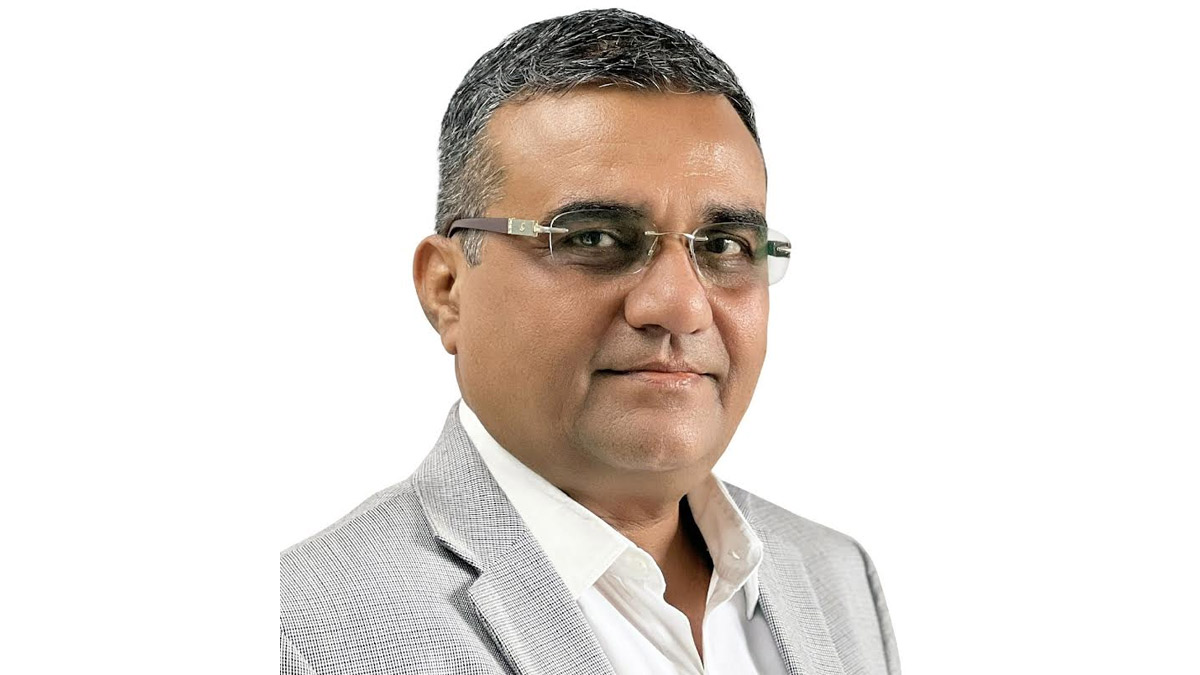
MUMBAI: A new chief, a fresh diagnosis and a sharper prescription for growth. Beacon Group has appointed Dr Rajesh Patel as its Group Chief Executive Officer, effective April 1, 2026, signalling a decisive push to scale its presence in the diagnostics and IVD space. Patel steps into the role with 36 years of experience across the healthcare and diagnostics industry, bringing a career shaped by leadership roles spanning sales, marketing, business development and operational strategy. His mandate is both expansive and precise: to steer the group’s overall strategic direction while tightening coordination across its three core entities Beacon Diagnostics, Vector Biotek and Biogeny Diagnostics.
In practical terms, that means driving cross-company synergies, accelerating market expansion and strengthening organisational capability areas increasingly critical as diagnostic players compete for scale in a fragmented yet rapidly evolving healthcare ecosystem. The group is positioning itself to capture unmet demand across chain laboratories, key accounts and standalone labs, segments that remain underserved despite growing diagnostic needs.
The appointment comes at a time when the In Vitro Diagnostics (IVD) sector in India is entering a more competitive and innovation-led phase, with companies focusing not just on product pipelines but also on service delivery, integration and customer-centric models. Beacon’s leadership appears to be betting that Patel’s execution-focused approach can help translate ambition into operational momentum.
Welcoming the appointment, Chairman Dr D K Joshi described Patel’s induction as a strategic move aligned with the group’s long-term vision, emphasising the role of leadership depth in navigating the next phase of growth.
For Beacon Group, the message is clear, in a sector where precision matters, leadership is the new differentiator—and this appointment is intended to set the tone for what comes next.






