MAM
Metafusion plugs in Avinash Trivedi to supercharge growth ops

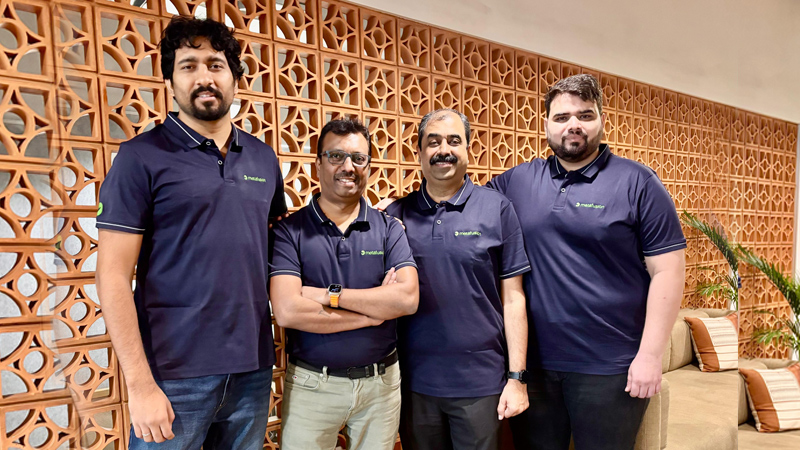
MUMBAI: Vision AI specialist Metafusion has named Avinash Trivedi as its new chief growth officer, charging him with ramping up the company’s go-to-market strategy, scaling enterprise adoption, and unlocking new global partnerships across traffic, safety, and urban intelligence.
Trivedi brings over 20 years of hard-won experience in video surveillance, SaaS, and smart infrastructure, with deep roots in high-growth markets across APAC, the Middle East and Europe.
He joins Metafusion from Zygal, where he led sales and business development as president — driving expansion into VSaaS (Video Surveillance-as-a-Service) and Command Center-as-a-Service models. His resume also features senior leadership roles at Videonetics, Sony India, and Score Information Technologies, building high-performance growth pipelines.

At Metafusion, Trivedi will take charge of revenue acceleration across its flagship AI product suite — from Metavisio (video intelligence) and Metatraffic (smart traffic management) to PixelFACE (facial recognition) and fuseNETS, a collaborative vision research platform.
The appointment comes as Metafusion steps on the gas, expanding rapidly into smart city projects, traffic ecosystems, enterprise security, and intelligent highways.
“I am excited to join Metafusion at such a pivotal moment in its journey,” said Metafusion chief growth officer Avinash Trivedi. “What drew me in was the vision and the clarity of purpose. We are shaping the digital nervous system for safer cities, smarter transport, and more responsive infrastructure. I look forward to partnering with our customers, team, and ecosystem to scale meaningful impact.”
Metafusion founder & CEO Yatin Kavishwar added, “Avinash brings the right blend of enterprise acumen, GTM rigour, and industry foresight that aligns with our mission. As we scale our AI capabilities across sectors, his leadership will be instrumental in building new growth frontiers and deepening trust with our customers and partners globally.”
Co-founded by Kavishwar, Saransh Karira, and Manish Soni, the company is carving out a niche at the intersection of generative AI, computer vision, NLP, and big data — decoding video, audio and metadata in real time to deliver actionable insights across industries.
With Trivedi now in the cockpit, Metafusion seems primed to go from smart to unstoppable.


MAM
Beacon Group appoints Dr Rajesh Patel as Group CEO
36-year healthcare veteran to lead Beacon Diagnostics, Vector Biotek, Biogeny.
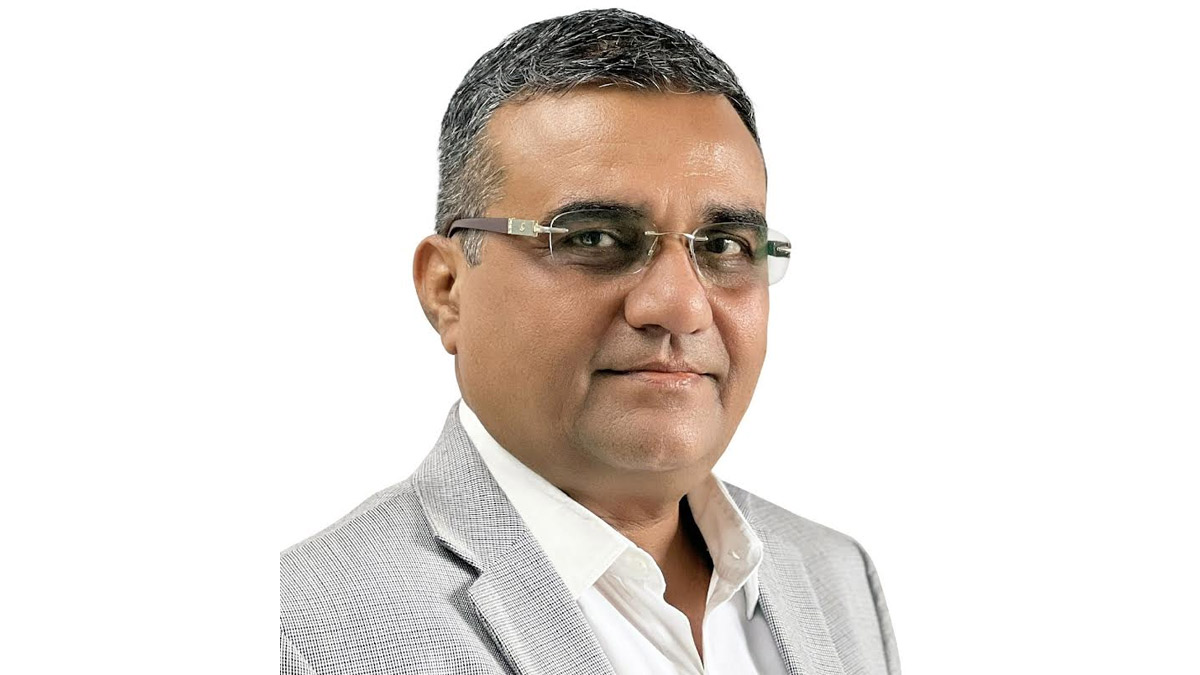
MUMBAI: A new chief, a fresh diagnosis and a sharper prescription for growth. Beacon Group has appointed Dr Rajesh Patel as its Group Chief Executive Officer, effective April 1, 2026, signalling a decisive push to scale its presence in the diagnostics and IVD space. Patel steps into the role with 36 years of experience across the healthcare and diagnostics industry, bringing a career shaped by leadership roles spanning sales, marketing, business development and operational strategy. His mandate is both expansive and precise: to steer the group’s overall strategic direction while tightening coordination across its three core entities Beacon Diagnostics, Vector Biotek and Biogeny Diagnostics.
In practical terms, that means driving cross-company synergies, accelerating market expansion and strengthening organisational capability areas increasingly critical as diagnostic players compete for scale in a fragmented yet rapidly evolving healthcare ecosystem. The group is positioning itself to capture unmet demand across chain laboratories, key accounts and standalone labs, segments that remain underserved despite growing diagnostic needs.
The appointment comes at a time when the In Vitro Diagnostics (IVD) sector in India is entering a more competitive and innovation-led phase, with companies focusing not just on product pipelines but also on service delivery, integration and customer-centric models. Beacon’s leadership appears to be betting that Patel’s execution-focused approach can help translate ambition into operational momentum.
Welcoming the appointment, Chairman Dr D K Joshi described Patel’s induction as a strategic move aligned with the group’s long-term vision, emphasising the role of leadership depth in navigating the next phase of growth.
For Beacon Group, the message is clear, in a sector where precision matters, leadership is the new differentiator—and this appointment is intended to set the tone for what comes next.






