Brands
Meesho fires up festive quarter with Rs 10,995 crore NMV surge in Q3 FY26

BENGALURU: Meesho posted a sharp festive-quarter performance in Q3 FY26, clocking net merchandise value (NMV) of Rs 10,995 crore, up 26 per cent year on year, driven by a surge in placed orders and rising purchase frequency across underserved markets.
Placed orders rose 36 per cent to 690 million during the quarter, while annual transacting users climbed 34 per cent to 251 million, cementing Meesho’s position as India’s largest e-commerce platform by both users and order volumes.
Meesho founder and chief executive officer Vidit Aatrey, said the results reflected the strength of the platform’s growth, with more users shopping more frequently, particularly first-time e-commerce consumers in value-focused regions.

He added that despite becoming a public company, Meesho would continue to prioritise platform health and disciplined growth, with free cash flow per share as its long-term performance metric.
User engagement also deepened, with customers transacting an average of 9.78 times annually over the last twelve months, up 9 per cent year on year, signalling the formation of repeat purchasing behaviour.
The company noted that festive season calendar shifts moved some Diwali-led demand into Q2 FY26. Combined NMV for Q2 and Q3 FY26 stood at Rs 21,510 crore, marking a stronger 37 per cent year-on-year growth when adjusted for the timing impact.
Meesho continues to invest in technology-led onboarding, rolling out deep-learning recommendation models and enhanced voice search to boost conversion among first-time users, particularly in regional language markets. Brand participation is also expanding, with companies such as Dabur scaling their presence on Meesho Mall.
On a last twelve months basis, Meesho reported positive free cash flow of Rs 56 crore, supported by its asset-light model and negative working capital cycle. As of December 31, 2025, cash reserves stood at Rs 7,277 crore, including Rs 4,088 crore raised through its recent initial public offering.







Brands
Lovetc appoints Tamannaah Bhatia as brand face
Ananya Birla’s premium colour cosmetics line gears up for strong second year with 30 per cent monthly growth and fresh face category launch.
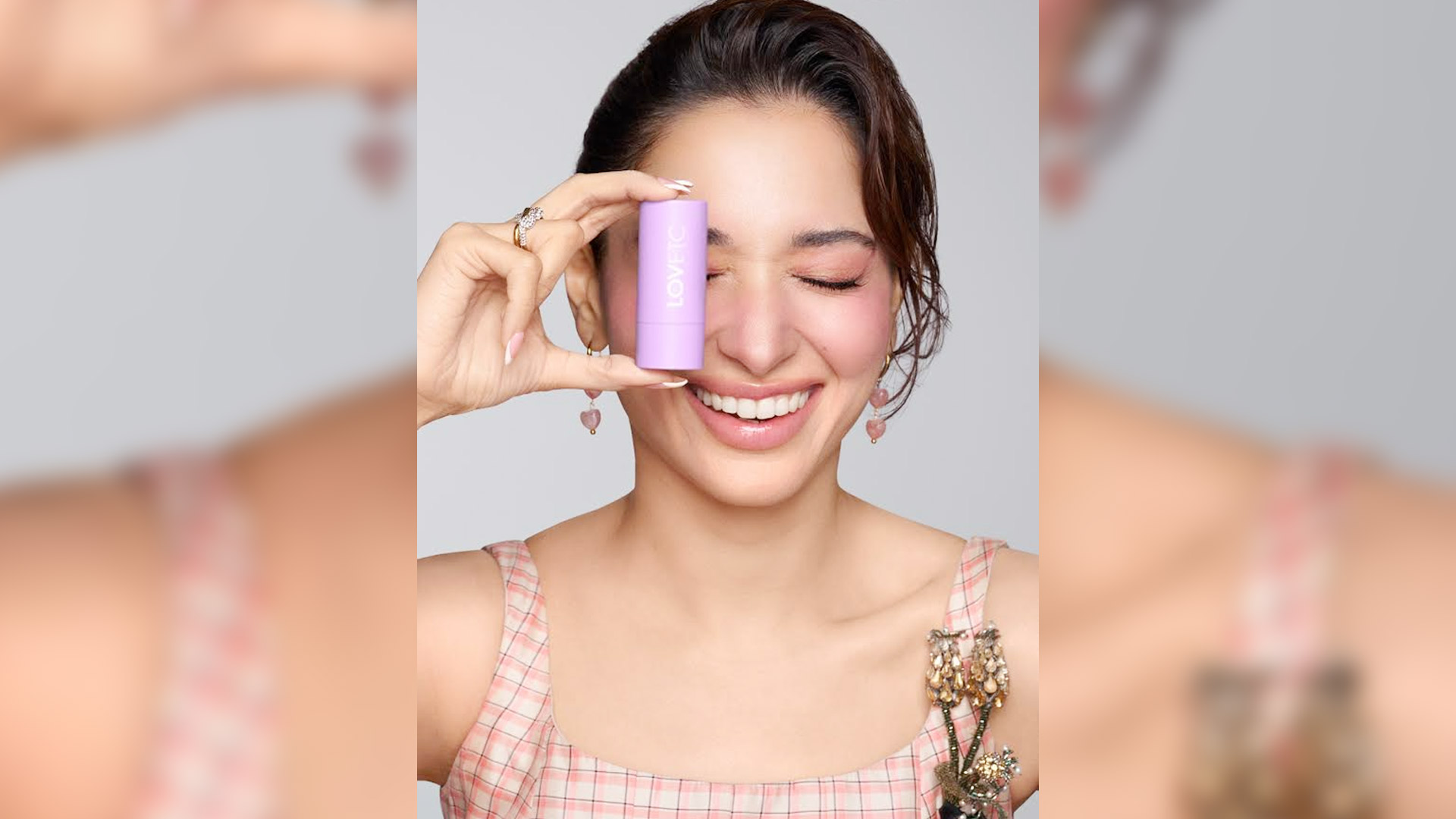
MUMBAI: Lovetc is tinting its success story with a starry new shade Tamannaah Bhatia has just been named the face of Ananya Birla’s premium beauty brand. As the colour cosmetics label under Birla Cosmetics completes a vibrant first year in April 2026, it is entering its second chapter with impressive momentum. The brand has delivered 30 per cent month-on-month growth, expanded thoughtfully into offline and quick-commerce channels, and built a loyal following through a digital-first approach mixed with genuine consumer connections.
Priced between Rs 650 and Rs 1,850, Lovetc focused its debut portfolio on lips and eyes categories. Hero products such as Tint, Talk, Etc Radiant Glow Hydrating Tint (SPF 30 PA++), Pout, Perfect, Etc Matte Bullet Lipstick, and Melt, Miracle, Etc Treatment Oil-Infused Lip Balm quickly won hearts. Early shoppers showed strong purchase intent, with average order values ranging from Rs 1,200 to Rs 2,800 and an average of two items per transaction, signalling healthy basket-building and repeat purchases.
The brand made its mark in key metros including Mumbai, NCR, Chennai, Bengaluru, Chandigarh, Patiala, Ludhiana, and Cochin, while Tier-2 cities surprised with robust demand and loyalty. On the distribution side, Lovetc entered 90 offline retail doors in year one and is on track to cross 150 doors by Q2 2026, choosing each outlet carefully to match its premium positioning.
To mark the milestone, Lovetc is stepping into the face category with the launch of Ace, Face, Etc 4K Blur Matte Foundation in eight shades tailored for diverse Indian skin tones. Additional innovations like the multi-purpose The Etc stick and longwear lip tint Love Bites are also in the pipeline.
Tamannaah Bhatia, known for her pan-India appeal across films and her authentic love for beauty, brings cultural relevance and credibility to the brand. Ananya Birla, founder of Birla Cosmetics, said, “Year Two is going to be big. The brief for every new launch remains the same: Does it perform? Is it playful? Is it kind to the person wearing it? Performance, playfulness, and kindness that is the promise we intend to keep. Bringing Tamannaah on board feels especially pertinent because she brings together an authentic love for beauty with a connection that cuts across audiences and geographies.”
Tamannaah Bhatia added, “I have always loved beauty as a form of self-expression, and what drew me to Lovetc is that it feels playful, thoughtful, and modern at the same time. I am excited to be the face of a brand that is creating products with both performance and personality.”
With deliberate growth, quality-focused retail expansion, and a celebrity partner who genuinely connects with beauty lovers nationwide, Lovetc is blending performance with personality in a market hungry for thoughtful premium options. As it steps into year two, the brand is proving that in beauty, the right tint can make everything glow a little brighter. Delhi, Mumbai, or a Tier-2 favourite Lovetc is colouring India’s beauty shelves with confidence and charm.







