MAM
Media maverick Shashi Sinha launches Omark, aiming to revolutionise luxury OOH

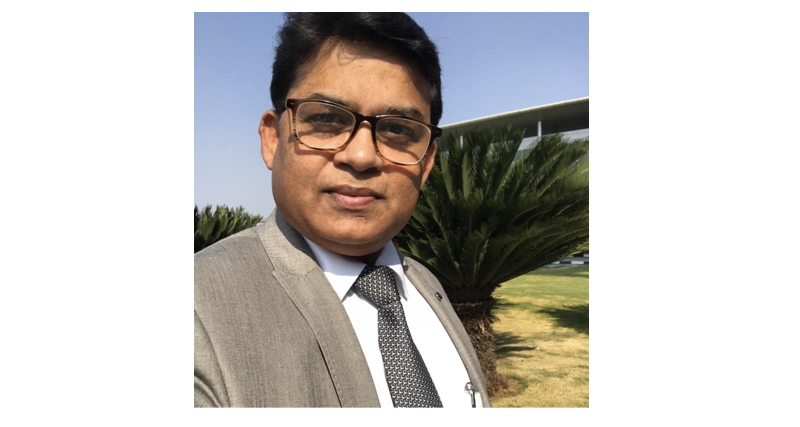
MUMBAI: Shashi Sinha, a seasoned media heavyweight with a CV longer than a cricket pitch, has launched his own venture, Omark Media Solutions Pvt Ltd after a whirlwind stint at Laqshya Media Group and Adani Airport Holdings. He’s promising to shake up the out-of-home (OOH) advertising game, focusing on “premium, precision-driven” ad placements for luxury brands.
Sinha’s has had stints at giants like Bennett Coleman and Co. Ltd. (Times Group), DNA, and Kagiso Media. He’s a man who’s seen it all, from print to radio to digital, and now he’s bringing that wealth of experience to his own show.
His latest gig at Laqshya Media Group saw him as chief business officer, overseeing media and advertising at Cochin and Noida International Airports. Before that, he spent nearly four years at Adani Airport Holdings, where he honed his skills in everything from sales presentations to strategic planning.

But it’s his time at Laqshya Hyderabad Airport Media that really stands out. He took a loss-making venture and turned it into a profit machine, earning himself a reputation as a turnaround wizard. “Having got an embattled business… as CEO in April 2015, [I] have driven this loss making business into a profitable one,” he boasts on his Linkedin profile.
Now, with Omark, he’s aiming to create a “unique space for premium brands to thrive.” He’s talking about harnessing technology and passion to craft ad placements that are as exclusive as a Savile Row suit.
Whether Omark will live up to the hype remains to be seen. But one thing’s for sure: Sinha’s got the experience and the swagger to make a splash in the luxury OOH market.







Brands
Maharashtra panel orders Lodha to refund Rs 5 crore to homebuyers
Consumer court flags unfair practices in long-running property dispute case

MUMBAI: In a sharp rebuke to one of India’s biggest real estate players, the Maharashtra State Consumer Disputes Redressal Commission has directed Macrotech Developers to refund nearly Rs 5 crore to a senior citizen couple, Uttam and Anindita Chatterjee. The ruling, delivered on March 13, 2026, calls out the developer for “deficiency in service” and “unfair trade practices”, bringing closure to a dispute that has stretched over a decade.
The case traces back to 2015, when the couple booked a 3-BHK flat at World Towers in Lower Parel for Rs 12.22 crore, with possession promised within a year. What followed was a series of changes that complicated matters. After deciding to exit the project, they were persuaded to shift to a 4-BHK in another development priced at Rs 8 crore, with delivery scheduled for 2018. However, within months, the price was allegedly increased to Rs 10 crore. After demonetisation reshaped the market, similar flats were reportedly being offered at lower prices, but the couple were not given the benefit.
Despite paying over Rs 2.83 crore, the couple neither received possession nor clarity. Instead, in 2018, the developer unilaterally cancelled the booking, retained part of the amount as earnest money, and argued that the buyers were investors rather than consumers. The commission rejected this claim, observing that casual references to “investment” do not take away consumer rights when the purchase intent is residential.
The bench also held that the developer could not penalise buyers for payment delays while failing to meet its own delivery commitments. It noted the lack of formal documentation for revised terms and termed the prolonged retention of funds without delivering a home as exploitative.
As part of its order, the commission directed the developer to refund Rs 2.83 crore paid by the couple, along with interest at 10 per cent per annum, amounting to around Rs 2.12 crore. In addition, Rs 1 lakh has been awarded for mental agony and Rs 50,000 towards litigation costs, taking the total payout to over Rs 5 crore. The developer has been asked to comply within two months.
For now, the ruling serves as a reminder that in real estate, shifting terms and delayed promises can carry a significant cost.