MAM
Media HR Summit deep dives into emerging trends, work culture & HR tech

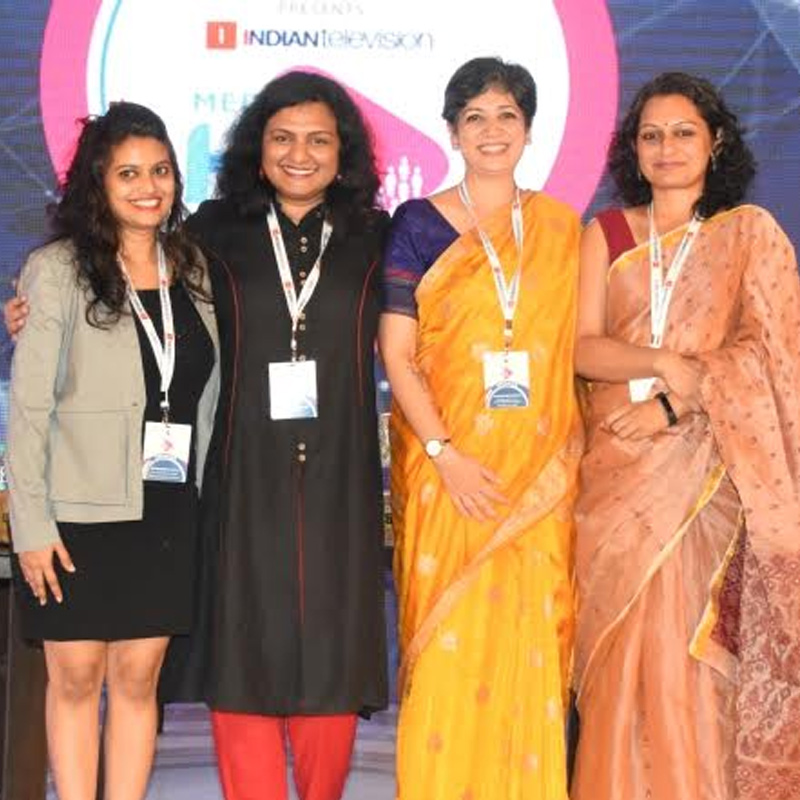
MUMBAI: Indiantelevision.com hosted the first-ever Media HR Summit in partnership with ZEE in Mumbai on 26 June at The Westin. The day-long conference concluded with some insightful discussions around how corporate and HR leaders are steering media companies into the future on the back of good teams, HR analytics, diversity and inclusivity at the workplace.
The conference was divided into four sessions, three fireside chats and three presentations related to work culture, emerging trends in HR, employee engagement models, future-focused people strategies, changing nature of employment amid the rapid changes in the media and entertainment industry.
Indiantelevision.com founder, CEO and editor-in-chief Anil Wanvari set the tone for the day with his welcome note. He argued that the media and entertainment industry has never been full of so many opportunities. At the same time, he added that it is facing challenges in terms of talent acquisition and retention. Wanvari pointed out that the human resources department has never been given the due it deserves, highlighting the key reason behind the summit.

Following the welcome address, Indiantelevision.com CEO moderated a session titled “Responding to megatrends”. MullenLowe Lintas group HR director Heather Saville Gupta, Reliance Entertainment’s Big Synergy CEO Rajiv Bakshi, Madison World executive director Lara Balsara Vajifdar, Reliance Broadcast Network Ltd CEO Abraham Thomas participated in the panel discussion.
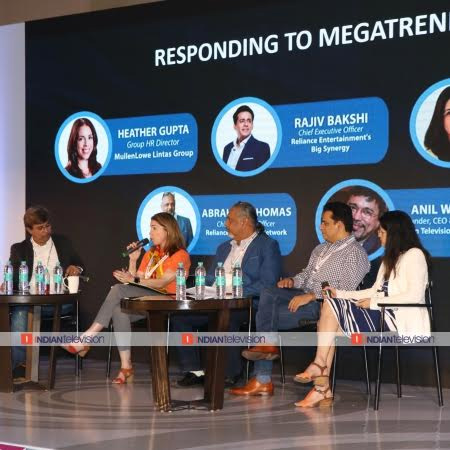
During the hour-long panel discussion, the point about the media industry getting younger emerged as a key theme. All the panellists agreed that companies need personalised communication for millennial employees. However, as older generations also work at these companies, making a value proposition for all the age groups was deduced as a challenge. Moreover, speakers stated that. with the rapid change, HR has moved beyond a soft skill or a backend process. On the other hand, digital transformation is also affecting the sector and data is becoming more important day by day.
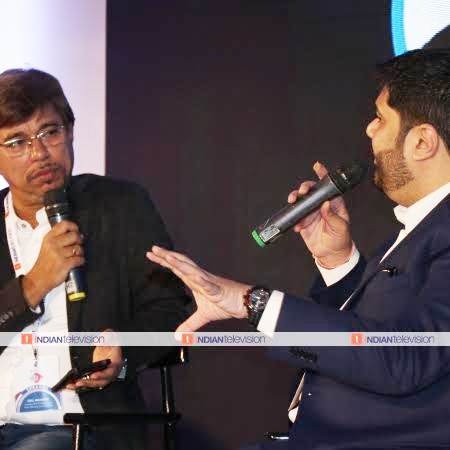
The next item on the agenda was a fireside between Shemaroo Entertainment Ltd director Jai Maroo and Wanvari. Shemaroo has been an excellent example of evolving over the years with new entrepreneurial ideas. While the company is going through a rigorous change, Maroo mentioned key winning traits every company needs to follow – putting people first including employee, vendor, clients; the ability to reinvent when needed; seeing where the company is standing at the ecosystem, value chain. While it has unleashed a 5x transformation plan, getting the HR team aligned with that is a key challenge.
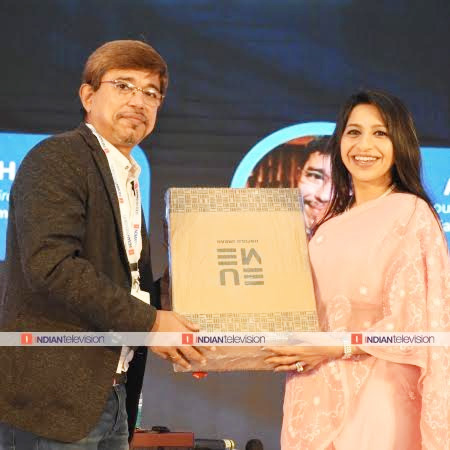
That was followed by another interesting fireside chat between Discovery Communications India South Asia managing director Megha Tata and Wanvari. Tata who has been one of the few women leaders in the media and entertainment industry outlined the reasons as to why women find it hard to shatter the glass ceiling. She noted that the ecosystem may not have been supportive of women who are rising through the ranks. The veteran media executive added that women also give up halfway through their journey due to various reasons.
Moderated by KPMG India people and change associate director Ajay Venkatesh, the next session revolved around a very compelling topic – building a great team. ABC Consultants FMCG, Internet, Media, and Development Sector director Deepika Ramani, Balaji Telefilms Ltd group head HR Ashish Pinto, Jagran Group head HR Sagorika Kantharia, VATS Consulting founder Vikas Vats, and Saregama India Ltd general manager HR Sonalika Johri took part in the discussion.
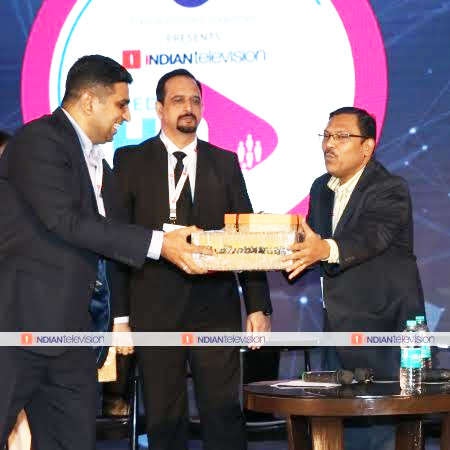
The speakers articulated how different strokes should be used for different folks while hiring. All the experts also agreed that agility and an analytical bent are having a big impact on business. However, companies also need to look at how they use the analytics, the panel said. While digital transformation is already happening, cross-scaling talent is also important, concluded by the speakers.
The conference further continued with a presentation by Publicis head HR Nikhil Natekar on “Future focused people strategies”. He spoke about cultural evolution, diversity inclusion, skill-based hiring and growth path for Gen Y who are going to be future leaders. He then sat down for a chat with She means Business content creator and workshop facilitator Dipika Singh.
VATS Consulting’s Vikas Vats presented his thoughts on 'Future of Indian HR in the Digital Age'. He highlighted that there are times when HRs need to work like CEOs. He also added that while using technology is important, focusing on people is more important.
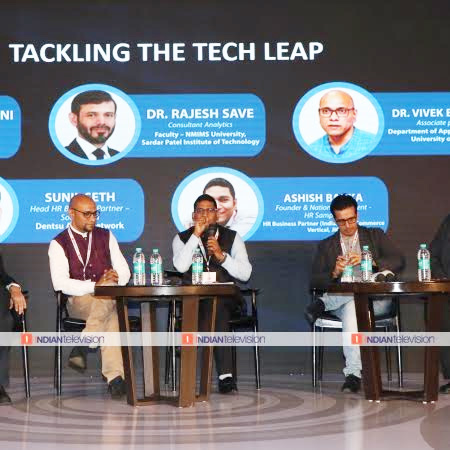
The events of the day progressed with the session “Tackling the tech leap” moderated by HR Sampark founder and national president Ashish Banka. Reinova Biz director HR Shubham Tripathi, Dentsu Aegis Network South Asia head HR business partner Sunil Seth, Associate Professor at Department of Applied Psychology, University of Mumbai Vivek Belhekar, Consultant Analytics Rajesh Save participated in the panel. The panelists agreed that adopting and adapting technologies is very important. While HR was late to join the party of analytics, now both AI and ML have emerged as key requirements for the HR industry too. AI is now taking an active role in both hiring and firing. Belhekar and Save then gave a presentation on Artificial Intelligence in Human Resources.
The day ended with a compelling session on “Diversity, equity, and inclusion”. Part of the panel were Voices of Inclusion author Deepa Shankar, Mondelez International diversity and inclusion lead (independent consultant) Priyadarshini Gupta, NeoSeven Solutions global HR expert Monika Navandar, with D&I evangelist and founder and MD–Vividhataa, diversity hiring consultants Ratanprabha Sable moderating the session. While diversity is not a big issue in the media industry, inclusion is a big piece that is being worked around, the speakers said. The experts agreed that the media industry needs to be inclusive at little things. Moreover, the industry should also look at creating job opportunities for disabled people, acid attack victims, and mental health patients was an important point that was voiced during the session that kept the audience hooked on till the very end.




Brands
Jubilant Foodworks to end Dunkin’ franchise in India
Pizza chain operator will not renew agreement when it expires at end of 2026.

MUMBAI: When the doughnuts stop turning and the coffee goes cold, even a global giant like Dunkin’ can find the Indian market a tough brew to crack. Jubilant Foodworks has decided not to renew its franchise agreement with Dunkin’ when the pact expires on 31 December 2026, according to a Reuters report. The operator, best known for running Domino’s outlets in India, said it would evaluate options for its existing Dunkin’ stores, including a potential sale or transfer of franchise rights, in consultation with the US-based brand.
The decision follows years of underperformance in a market where local tastes and intense competition have made it difficult for international coffee-and-doughnut formats to gain traction. Jubilant, which has increasingly focused on its core pizza business and newer bets like Popeyes, indicated that the exit would not materially affect its financial or operational position.
Dunkin’ accounted for just 0.61 per cent of Jubilant’s revenue in the fiscal year ending 2025 and recorded a loss of approximately Rs 191 million, according to a regulatory filing. The company operated 27 outlets as of December 2025, having shuttered seven stores over the preceding year.
The retreat comes even as Jubilant’s broader business shows signs of momentum. The company reported a 65 per cent rise in quarterly profit for the October to December period, reaching Rs 70.9 crore, up from Rs 42.91 crore a year earlier.
For Jubilant, the exit reflects a sharpening strategic focus. For Dunkin’, it marks another setback in a market that has proven resistant to imported café concepts without significant localisation.
In the cut-throat world of Indian quick-service restaurants, sometimes the sweetest deals are the ones you quietly walk away from leaving more room for the brands that truly rise to the occasion.