MAM
Media agencies gung ho about proprietary research tools; Lintas launches ‘Inteligrip’

MUMBAI: In today’s day and age when accountability is high on the clients’ agenda and everyone wants to get the maximum bang for the buck, the task of media service agencies’ has become that much tougher.
In a scenario like this, Lintas Media Services has developed a new proprietary research tool called Inteligrip (Intelligent GRP), which has been devised by its research arm Intellect, to provide a more efficient target base and a better quality of return on planned media spends of its clients.
While these research tools do not undermine the importance of gut feeling in planning; media agencies are nevertheless relying on them in order to gain a competitive advantage. Says Lintas Media Services director Lynn de Souza, “The current scenario makes it imperative to beat ad avoidance rather than to continue relying on traditional GRP valuations that in reality are eventually being avoided by the consumer. Inteligrip aims to capture not just the highest GRPs but in fact to establish the viewer’s interest in brand categories or products through a history of their brand experiences.”
That seems to be the need of the hour. Last year, Initiative Media along with BBC World came out with the ‘Ad Avoidance’ study, which revealed that only 31 per cent of the surveyed population was receptive to advertising and that most of the advertising done on television was ignored. Riding on these findings, Lintas decided to make planning for their clients more structured via this new research tool, which will be utilized across all brands of the Group.
Inteligrip is a tool that will lead the way in delivering ‘intelligent GRPs’ by making them more efficient and effective through a closer match to the viewers’ Ad World. These ‘intelligent GRPs’ are derived through a multi stage process of filtering, which will ultimately result in a better and focused target base.
Tam initiated the commercial launch of Viewer Graphics in India in August last year. Lintas acquired the system in January this year. Viewer Graphic allows for advanced planning and its seamless integration with Adex and Xpert.

The Tam TV systems form the core engine that Inteligrip works on for delivering these ‘intelligent GRPs.’ Inteligrip is a multi-stage planning process that treats the media plan and ensures an optimised and effective media thrust. The unique and final stage of the tool, which addresses the viewers’ ad world and narrows the ambit of wastage due to this targeted approach, ensures that the marketer enjoys a closer and more profitable experience while communicating brand benefit.
The thought process behind Inteligrip is that every viewer has an ‘ad-stock’ that is the result of historical exposures to various brand messages. This ‘ad-stock’ gives an idea of conditioning that the viewers have gone through and the subconscious preference of the consumer. Also, GRPs should take advantage of the knowledge of the ‘ad-stock’ in the mind of the viewers.
For example: The ad world for a prospective Maruti Alto buyer, would be that of a WagonR and Hyundai Santro owner and also that of a two-wheeler vehicle owner who may be looking at upgrading to a four-wheeler. Similarly, the ad world of Samsonite would be V.I.P. and also various viewers who are interested in tourism and therefore Tourism Malaysia, Singapore Tourism and the likes would comprise the ad world of Samsonite.
Hence the tool helps in refining the target audience by viewing the ad worlds by knowing the programme preference of those people who are interested in these categories.
Inteligrip aims to help in identifying the source of the business and therefore determining the ad worlds and segment viewers in order to deliver intelligent GRPs.
IMPORTANCE OF PROPRIETARY RESEARCH TOOLS
Other agencies also realise the importance of proprietary research tools as a means to retain the existing business of agencies; this also helps improve and grow clients’ return on investment (ROI). Says Madison Communications chairman and managing director Sam Balsara, “These tools are extremely important as the senior talent can work on strategic insight based on their experience and expertise and the juniors can do sophisticated analysis at the touch of a button. It also enables standardised ways of looking at a problem and ensures that hygienic analysis is done at a faster rate.” Asked whether if this meant that gut feeling didn’t work anymore while planning, Balsara says, “It is not that gut feeling doesn’t work. Gut feeling should be added after all the basic analysis has been crunched.”
MindShare South Asia managing director Vikram Sakhuja adds, “Tools if used properly can really work for the brand. We have tools like MindWare and 3D that we use on a regular basis while planning for our clients. These tools are something that gives us judgement and work as an add on to the gut feel.”
While Lintas has Intellect as its research wing, Lodestar’s Lab Center in India launched in 1995 undertakes proprietary research. Lodestar’s Lab Center is the regional center for the Asia Pacific region and provides research data to 18 countries from Singapore to Australia. Lodestar vice president Nandini Dias says, “Almost 99 per cent of inputs while planning for a brand is derived from the findings revealed by these proprietary research tools. One per cent is gut feel. Once you have scientific data in your hands, you can predict what will work where, when and how. Clients benefit immensely from this and at the end of the day it is worth spending money in developing these tools. They are an investment for us.”
At a time when television channels in the country are mushrooming, these proprietary research tools no doubt help in planning effectively and sensibly.


MAM
PwC India announces leadership change in Deals practice
Shashank Jain steps down as co-leader after nearly three decades with the firm.
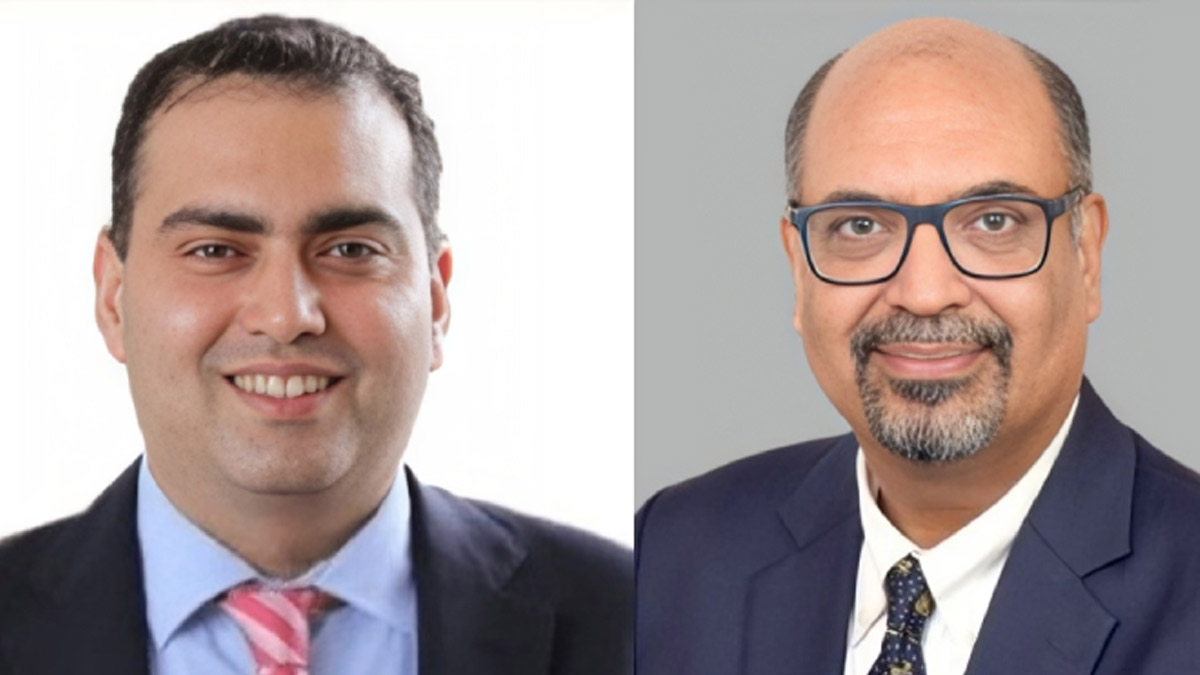
MUMBAI: When one dealmaker steps off the pitch, another is ready to take the baton because in the fast-moving world of transactions, the game never really stops. PwC India has announced a leadership transition in its Deals practice, with Shashank Jain stepping down from his role as co-leader to pursue an opportunity in the industry. The practice will continue to be led by Mohit Chopra, ensuring continuity and sustained growth momentum.
PwC India partner and leader for advisory dinesh Arora paid tribute to Jain’s contributions. “We deeply appreciate the significant contributions made by Shashank over close to three decades he has spent with PwC, particularly his defining role in shaping and strengthening our Transaction Services practice in India,” he said. Arora highlighted Jain’s support for clients through some of the most complex and significant transactions in the Indian market, noting his deep technical expertise, sound judgment and nuanced understanding of the evolving M&A landscape.
The Deals practice remains a key growth driver for PwC India, and the firm expects continued expansion under Mohit Chopra’s leadership. He will continue to guide clients through complex transactions and transformational business moments, building on the strong foundation established over the years.
Reflecting on his journey, Shashank Jain said, “I have had an exceptional journey at PwC. I owe my growth and learning to the nurturing environment and leadership development that PwC provided.” He added that he had been working closely with Mohit and the larger team to ensure a smooth transition and expressed confidence that Chopra would take the Deals practice to newer heights.
From intern to respected deals leader, Shashank Jain has clearly closed many successful transactions and now, it seems, he’s ready to strike a new deal of his own.