MAM
Maxus wins businesses worth over Rs. 300 crore

MUMBAI: Maxus, yet again retains the title of the most ‘dominant’ agency as per the latest RECMA report, a qualitative assessment for all leading media agencies in India.
It is the fourth consecutive year that Maxus is on the top of the RECMA ratings. Along with this, the agency also won business across 23 new clients, worth upwards of Rs. 300 crores in the first half of 2014. These new clients include Tata Sons, JK Tyres, Kotak Mahindra Bank, Unitech, Paytm, Askme.com, ICC T20 World Cup 2014, Cigna TTK Health Insurance and BML Educorp.

Maxus South Asia managing director Kartik Sharma said, “Over the last 12 months, Maxus has made an effort to become future ready in a digitally charged media environment. We approach planning and investments in an integrated manner with emphasis on new media concepts that brings digital media, content and data together with traditional TV, print and radio. We believe this gives us an edge in the market, helping us delight to our existing clients and bring new clients into the fold.”
“Our ‘Lean into Change’ approach has given us a healthy double digit growth in 2014” Besides their expertise in core traditional media, Maxus today is a full- fledged media solutions agency with expertise across digital, mobile media, data and analytics, branded content and programming. Talent across these verticals are embedded in the network and work closely with core client teams,” added Sharma.
The new approach at Maxus has resulted in several ingenious campaigns like “Power of 49” for Tata Tea, Kotak Jifi, Vodafone Fan Photo and Tata Sky’s innovation around the IPL. Maxus was the first agency to set up a digital command centre for Nestle, where the marketing and agency team to monitor data from various social feeds and take real time marketing decisions. This ensured judicious use of budgets across media with a low percentage of wastage. The approach also helped expand business with new clients across industries ranging from e-commerce, banking and insurance, sports, retail, healthcare, etc.
In 2014, Maxus was part of WPP Team Red (head by MEC Global) that won the Vodafone account across several countries, retaining the account in India. The expertise of a long client relationship with Vodafone domestically brought about great insight during the pitch process.
It can also be noted that this year, Maxus has also brought on board two senior leaders – Navin Khemka in New Delhi to head the North and East region and focus on new business development and Anand Chakravarthy heading Maxus, West and some of their key client relationships. Earlier in the year, Maxus won the digital agency of the year and a number of metals at the Abbys 2014 for their new media capabilities.







MAM
Beacon Group appoints Dr Rajesh Patel as Group CEO
36-year healthcare veteran to lead Beacon Diagnostics, Vector Biotek, Biogeny.
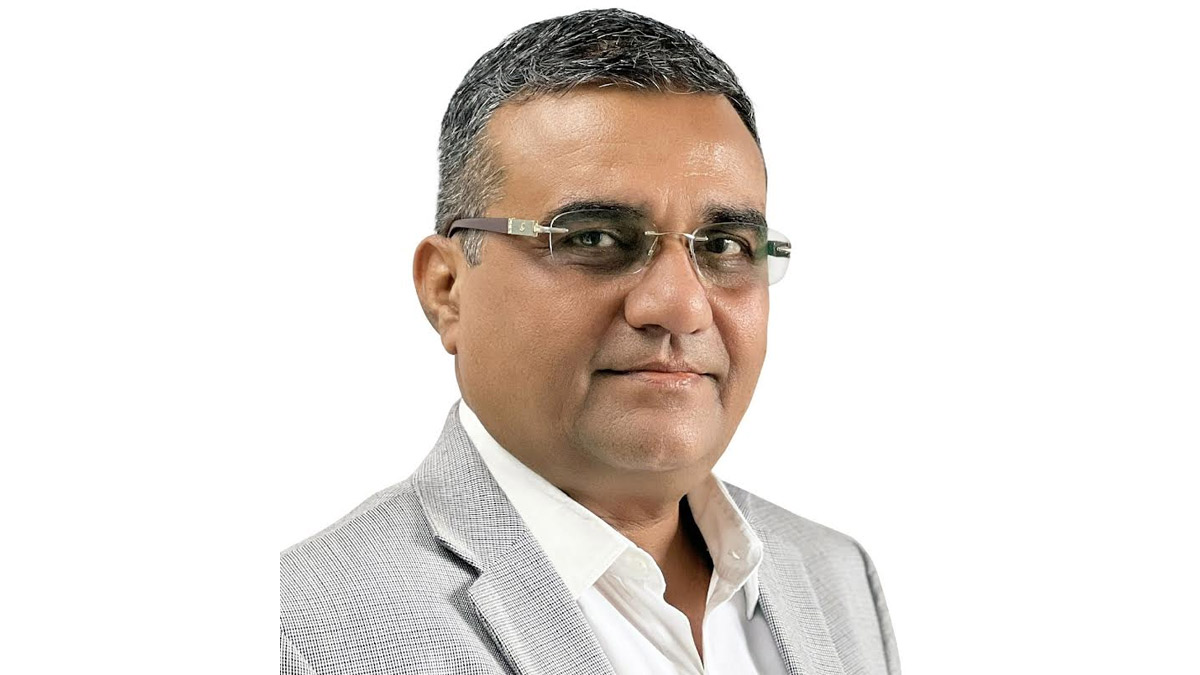
MUMBAI: A new chief, a fresh diagnosis and a sharper prescription for growth. Beacon Group has appointed Dr Rajesh Patel as its Group Chief Executive Officer, effective April 1, 2026, signalling a decisive push to scale its presence in the diagnostics and IVD space. Patel steps into the role with 36 years of experience across the healthcare and diagnostics industry, bringing a career shaped by leadership roles spanning sales, marketing, business development and operational strategy. His mandate is both expansive and precise: to steer the group’s overall strategic direction while tightening coordination across its three core entities Beacon Diagnostics, Vector Biotek and Biogeny Diagnostics.
In practical terms, that means driving cross-company synergies, accelerating market expansion and strengthening organisational capability areas increasingly critical as diagnostic players compete for scale in a fragmented yet rapidly evolving healthcare ecosystem. The group is positioning itself to capture unmet demand across chain laboratories, key accounts and standalone labs, segments that remain underserved despite growing diagnostic needs.
The appointment comes at a time when the In Vitro Diagnostics (IVD) sector in India is entering a more competitive and innovation-led phase, with companies focusing not just on product pipelines but also on service delivery, integration and customer-centric models. Beacon’s leadership appears to be betting that Patel’s execution-focused approach can help translate ambition into operational momentum.
Welcoming the appointment, Chairman Dr D K Joshi described Patel’s induction as a strategic move aligned with the group’s long-term vision, emphasising the role of leadership depth in navigating the next phase of growth.
For Beacon Group, the message is clear, in a sector where precision matters, leadership is the new differentiator—and this appointment is intended to set the tone for what comes next.






