AD Agencies
Maxus strengthens global board with three additions

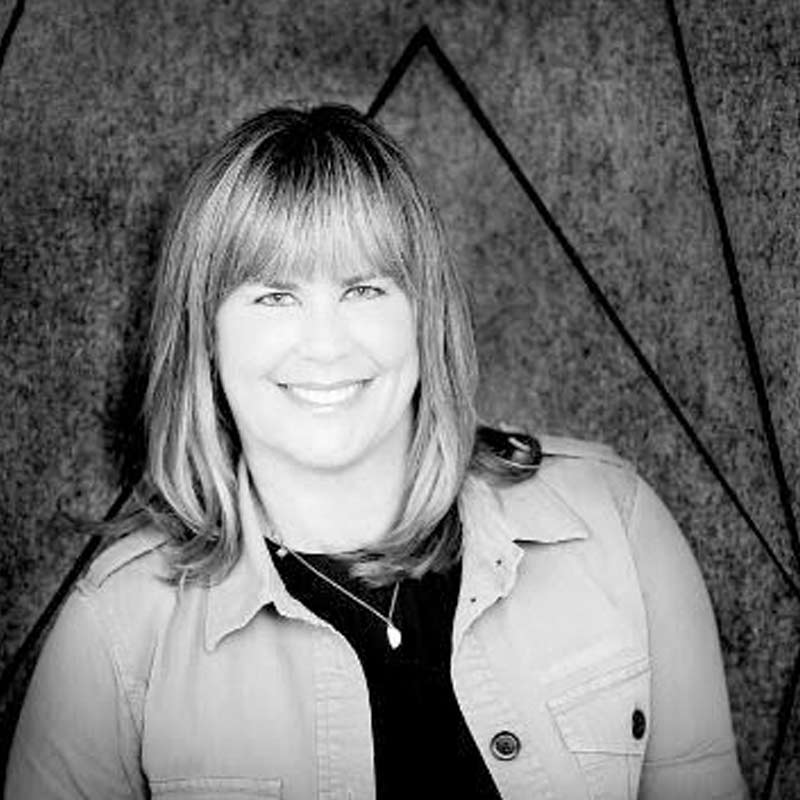
MUMBAI: Maxus has announced the strengthening of its global senior management team with three new appointments to its executive board.
Benedict, Rudi Symons and Pam Sullivan are joining the ExCo. Benedict and Symons have both been promoted to new roles. Benedict becomes worldwide chief client officer, while Symons has been named worldwide chief talent officer. Sullivan, will continue in her role as managing director of Maxus Los Angeles.
Benedict joined Maxus as a managing partner in 2014 from MEC where he was the global client lead. In his new role, Benedict will continue to help develop both the ever-expanding Maxus global Huawei relationship and GroupM’s global L’Oréal account across 19 markets, as well as spearheading the Maxus Client Leadership practice.

Rudi Symons, newly appointed worldwide chief talent officer, joined Maxus in September 2015 as EMEA head of talent and culture. In her new role, she will be responsible for developing the global talent and culture strategy across 55 markets. Since joining, Symons has launched a number of HR initiatives at Maxus.
Pam Sullivan joined Maxus in 2011 as the managing director for Maxus Los Angeles, leading the launch of the new office. She also heads Maxus’s largest client in North American, leading the NBCU film and television business, for which she oversees and leads strategic planning, implementation and stewardship for all products. In her five years at Maxus, Sullivan has increased the Los Angeles office’s billings fourfold.
Lindsay Pattison, worldwide CEO, said, “Our talent delivers highly creative, award winning campaigns that grow our clients’ businesses.”
Dan said: “With Maxus’ unique client-centric culture my new role is firmly about supporting clients through this time of peak complexity. The key is ensuring local knowledge delivers global impact.”
Sullivan will continue to be based in Los Angeles and report into both Steve Williams, Maxus Americas CEO, and Lindsay Pattison, Maxus Worldwide CEO. Benedict and Symons will continue to be based in London and report to Pattison.






AD Agencies
Tribes and Omnicom Media win Gold for HSBC Living Hexagon at ET Awards
Kinetic OOH installation turns HSBC’s iconic logo into a living landmark
MUMBAI: Tribes Communication and Omnicom Media have secured a Gold win at the ET Design & Creativity Awards for their innovative out-of-home installation, The Living Hexagon, created for HSBC.
Awarded in the Most Creative Traditional OOH category, the project reimagines one of the world’s most recognisable banking symbols into a dynamic, ever-evolving structure. Designed for HSBC’s International Financial Services Centre presence, the installation was conceived to do more than simply grab attention. It aimed to seamlessly blend into the fast-growing ecosystem of GIFT City.
At the heart of the idea is HSBC’s iconic hexagon, typically associated with precision and consistency. Tribes transformed this static identity into a kinetic structure that responds to natural elements such as wind and light, creating a sense of continuous motion. The result is a visual experience that shifts throughout the day, echoing themes of adaptability and momentum.
Constructed using modular triangular units arranged along a precise geometric axis, the installation moves in synchrony, giving the illusion of a fluid, living form. While the structure evolves with its surroundings, it retains the unmistakable identity of the HSBC brand, striking a balance between innovation and familiarity.
Strategically placed at a key entry point into GIFT City, the installation functions as both a landmark and a statement. It reflects the pace and dynamism of global finance while embedding the brand into the city’s architectural narrative.
With this win, Tribes Communication and Omnicom Media underline the growing role of experiential and design-led thinking in traditional media, proving that even the most established brand assets can find new life when reimagined with creativity and context.







