Brands
Mastercard revamps its logo keeping digital world in mind


MUMBAI: Leading global payments & technology company Mastercard has revamped its logo, a first for the financial services giant in 20 years, according to reports.
The new card logo no longer reads CamelCase; it’s just “Mastercard” now and in some cases “mastercard’, as per theverge.com. The logo still has the overlapping red and yellow circles and sans-serif font, but all the elements are finer and sharper.
Knowing that almost 2.3 billion people carry the company’s cards, one would wonder why it needed a change in the first place endangering its 20 year old brand identity.

“This is really one of the most broadly distributed and most widely seen marks in the world,” said Michael Bierut, who designed the new branding with Pentagram partner Luke Hayman in an interview with the media. Between them, the acclaimed designers have revamped identities for everyone from Verizon to New York Magazine to Hillary Clinton.
There is also the question of credibility. Consistent branding is one of the ways in which banks and credit cards build trust with their customers. But as the function that these financial services offer have evolved with time between online payment platform, a digital wallet, and a technology company, suiting the current digitally charged consumers, it is important to have a logo that reflects just that.
“It needs to thrive in a digital space,” Mastercard’s customer experience and design head Cindy Chastain had said on the new change. “It’s simplified. It’s modernized and optimized for relevance in an increasingly digital world.”
In other words, traditional financial companies are now opting for logos that not only look good and trustworthy on banners, billboards and cards, but on laptop screens, smartwatches and of course as app logos as well.




Brands
Rakesh Menon joins Paytm as avp – lending
Fintech product leader takes on new role after building digital lending, payments and credit products across fintech ecosystem
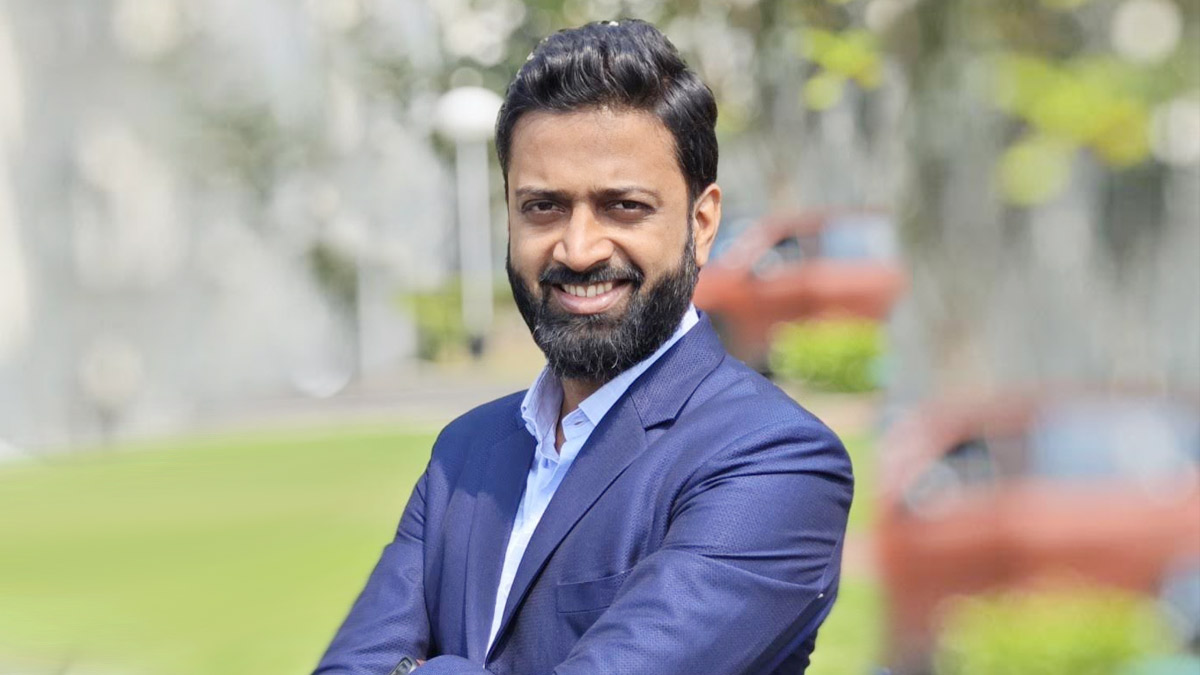
MUMBAI: Rakesh Menon has joined Paytm as assistant vice president – lending, taking on a new role focused on strengthening the company’s lending and credit products.
Prior to this, Menon worked at Profectus Capital Pvt Ltd as chief manager – payments based financing and digital lending.
At Profectus, he designed and launched digital credit products for merchants with variable cash flows, including overdraft-linked and revenue-share lending models. He led end-to-end LOS–LMS API integrations with payment partners and aggregators, enabling real-time underwriting, disbursal and repayment workflows.
He also worked on funnel optimisation initiatives using journey analytics, improving onboarding, KYC and disbursal conversion by 35 per cent. He developed ecosystem partnerships for transaction-data-based credit assessment and automated settlement systems, and collaborated with credit and data science teams to strengthen risk models and early delinquency detection.
Menon standardised partner onboarding and API frameworks, reducing go-live timelines by 40 per cent and improving digital scalability.
Before Profectus Capital, he worked at PayU as senior manager – presales lead – enterprise business from August 2022 to August 2023. He set up a national presales function for fintech and digital commerce clients, aligning solutions such as EMI, BNPL, BBPS and offer engines to merchant requirements.
He also helped improve conversion rates by around 15 per cent through merchant persona mapping, demo frameworks and structured sales playbooks, working closely with product and go-to-market teams.
From April 2019 to July 2022, Menon served as business unit head – SMB – direct acquisitions at Worldline, where he built the SMB online payments vertical from scratch. The business scaled to Rs 2,500 crore in annual transaction volume, growing at 45 per cent year-on-year.
During this period, he introduced paperless onboarding processes including eKYC and eSign, developed partner dashboards and CRM automation systems, and integrated platforms such as Shopify, WooCommerce and Tally to expand merchant adoption.
Across roles, Menon has worked across digital lending, payments and merchant financing, with experience in product development, ecosystem partnerships, API integrations and fintech-led growth strategies.
At Paytm, he will focus on scaling lending products and strengthening digital credit infrastructure within the company’s financial services ecosystem.
His appointment comes as fintech firms continue to expand their lending and embedded finance offerings in a competitive market.







