MAM
Breaking Down the Report: Why Two-Wheeler Insurance is Getting More Expensive and What Drivers Can Do

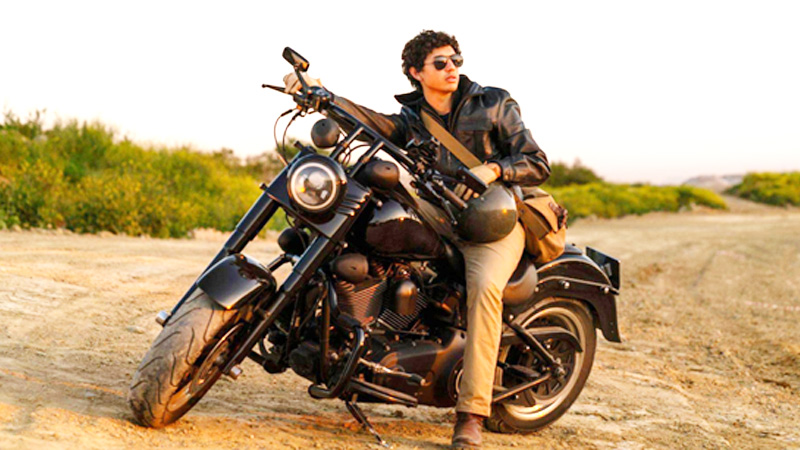
Two-wheeler premiums are rising, and many riders saw it on their latest bike insurance policy renewal. The causes are clear: parts and labour inflation, higher medical costs, denser traffic, and periodic third-party rate revisions. In this article, you’ll learn why two-wheeler insurance is getting more expensive, what’s driving the numbers, and what you can do as a rider to manage premiums without compromising on safety or coverage.
Why Two-Wheeler Premiums are Rising
Insurers don’t increase premiums randomly. They are balancing the money collected as premiums against what they pay out as claims. When the second number starts catching up with or overtaking the first, prices change.c
1. Repairs And Medical Care Cost More Than Before
Spare parts, labour at workshops, and garage infrastructure have all become more expensive. Modern bikes come with electronics, sensors, and premium parts, which push repair bills up even after a moderate accident.
Hospitalisation and treatment costs have also risen. When injuries are involved, claims cover more than just the vehicle. Insurers price in these higher expected costs.

2. More Frequent And Severe Claims
Traffic density is higher in urban and semi-urban areas. More vehicles, longer commute times, and distracted riding raise accident rates and average claim amounts. If claim frequency or severity rises across the portfolio, premiums follow.
3. Regulatory And Compliance Factors
Third-party liability cover is legally mandatory. When third-party rates are revised, insurers must reflect those changes. Compliance, digital security, and fraud-control systems add to operating costs, indirectly influencing pricing.
4. Changing Risk Profile Of Riders
Usage patterns have shifted. Many riders use two-wheelers for deliveries and longer daily distances. Even if your own usage is modest, overall exposure may be higher, nudging baseline rates up, especially for profiles linked to more claims.
What Riders can Do To Stay Protected And Control Costs
You can’t control inflation or regulatory moves, but you can take steps to keep premiums efficient while staying adequately covered.
Optimise Coverage And Add-On Covers
Start by checking whether your plan matches how you ride.
● Maintain own-damage cover along with mandatory third-party cover. Dropping own-damage to save a little can backfire if your bike is stolen or severely damaged.
● Review add-on covers for real-world fit. Roadside assistance, engine protection, or consumables cover can be valuable, but avoid stacking add-ons “just in case.”
A zero depreciation policy (zero-dep add-on) is a good example. It costs more because the insurer won’t deduct part depreciation during a claim. For newer bikes, it can significantly improve payout. For older vehicles with lower IDV, the extra cost may not always be justified. Reassess every renewal rather than auto-selecting it.
Use IDV And Deductibles Wisely
IDV is the maximum you receive for total loss or theft. Setting it too low to cut premium risks under-compensation later; inflating it only raises the premium without real benefit.
Voluntary deductibles lower your premium if you’re willing to pay a higher out-of-pocket share per claim. This helps riders who expect to claim only for major incidents and can self-fund minor fixes.
Protect Your Claim History
A clean record earns No Claim Bonus (NCB), reducing premiums over time.
● Settle minor scratches or cosmetic fixes yourself.
● Ride defensively: observe speed limits, avoid risky manoeuvres, and be extra cautious at night or in the rain.
Fewer incidents protect both your finances and your renewal benefits.
Make The Claim Process Smooth And Transparent
When you buy bike insurance online or comprehensive bike insurance, understanding the claim process in advance saves time and reduces friction. Inform your insurer immediately and follow the documentation steps carefully.
● Inform your insurer immediately and follow the documentation steps.
● Prefer authorised network garages for cashless settlement and smoother coordination.
● Share accurate incident details; inconsistencies can lead to deductions or rejection.
The Bottom Line
Two-wheeler premiums are rising for data-driven reasons: expensive repairs, increased claim frequency, regulatory updates, and shifting rider behaviour. You can’t escape these trends entirely, but you can make sharper choices: align coverage to usage, select meaningful add-on covers, reassess a zero depreciation policy annually, protect your NCB, and understand the claim process before you need it. Do that, and you’ll stay well protected on the road while keeping insurance costs under control.


MAM
Lego brings Messi, Ronaldo, Mbappé, Vinicius together
Campaign clocks 314 million views ahead of FIFA World Cup 2026 buzz.
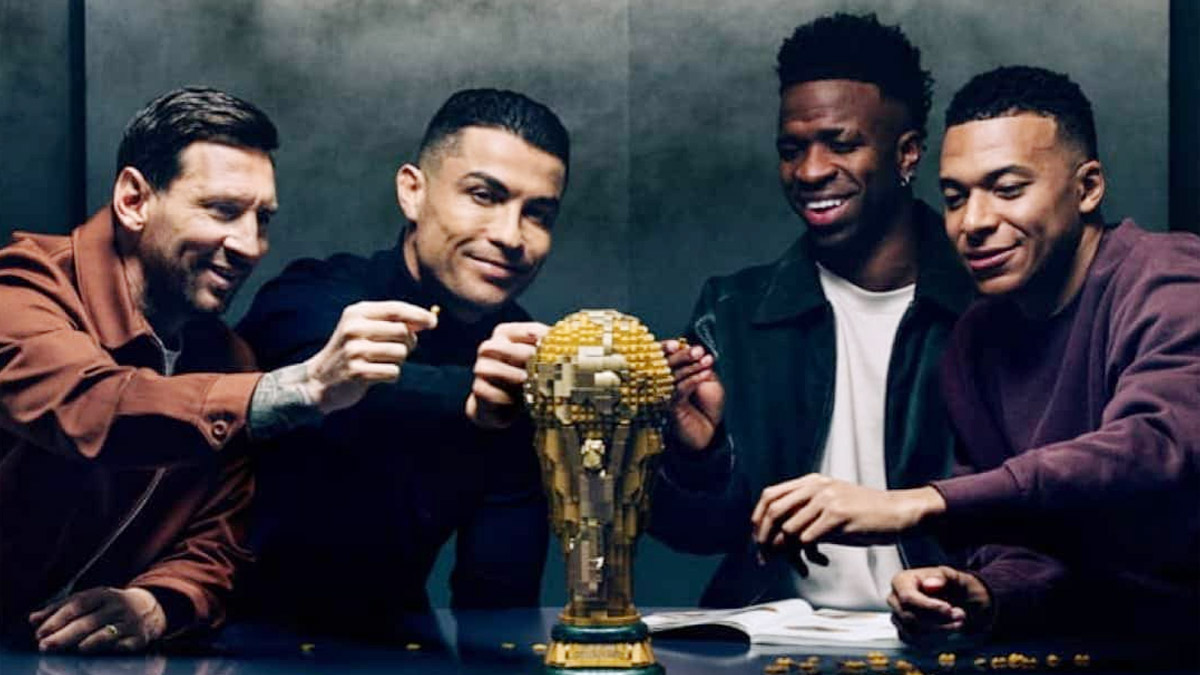
MUMBAI: Four legends, one frame and not a single tackle in sight. Lego has pulled off a crossover few thought possible, uniting Lionel Messi, Cristiano Ronaldo, Kylian Mbappé and Vinícius Júnior in a single campaign ahead of the FIFA World Cup 2026 only this time, they’re building dreams brick by brick.
Titled “Everyone wants a piece”, the campaign features the quartet assembling a Lego version of the World Cup trophy, before placing miniature versions of themselves atop it, a playful nod to football’s ultimate prize. Shared widely across social media, the ad carries a pointed disclaimer: it is not AI-generated, a subtle but telling signal in an era where even reality is often questioned.
The numbers tell their own story. The campaign has already crossed 314 million views on Instagram across the players’ accounts, with fans hailing it as a rare, almost nostalgic moment particularly for the reunion of Messi and Ronaldo, whose last shared campaign ahead of the 2022 World Cup became one of the platform’s most-liked posts.
Beyond the film, Lego is extending the play with exclusive, player-themed sets tied to each of the four stars, part of a broader football-led programme designed to ride the global momentum building towards 2026. The idea, as echoed by the players themselves, leans into the parallels between football and play experimentation, creativity, failure, and triumph.
Messi described the sets as a way to bring on-pitch moments into an imaginative, hands-on world, while Ronaldo called the transformation into a Lego figure a rare honour, blending sport with storytelling. Vinícius, meanwhile, struck a more personal note, recalling childhood moments of building with Lego and framing creativity as a universal language that transcends borders.
The timing is no accident. With the 2026 World Cup set to run from June 11 to July 19 across the United States, Canada and Mexico, and featuring an expanded 48-team format, global anticipation is already building. Argentina, led by Messi, will enter as defending champions, adding another layer of intrigue.
For Lego, the campaign does more than celebrate football, it taps into its mythology. Because when icons become figurines and rivalries turn into play, the beautiful game finds a new kind of pitch. one built, quite literally, by hand.






