Digital
Louis Philippe launches gamescape collection with CGI video

Mumbai: Louis Philippe, a leading premium men’s apparel brand synonymous with timeless elegance and modern sophistication, launched their Gamescape collection through a captivating CGI video set in the charming landscapes of Paris. Conceptualised and developed by GOZOOP Group, the video provides customers with a fascinating experience of witnessing the new collection come to life.
The CGI video, crafted with meticulous attention to detail and artistic finesse, transports viewers into a virtual universe where fashion meets fantasy. Pixelated stances, iconic gaming elements, and vibrant summer hues come to life in a mesmerizing display of creativity and innovation. Inspired by the dynamic world of gaming, the Gamescape collection includes drop shoulder graphic t-shirts, gaming-inspired graphics, utility cargo pants, overdyed shorts, and printed half sleeve shirts. Each garment is meticulously designed to capture the essence of gaming culture while offering a contemporary and stylish aesthetic.
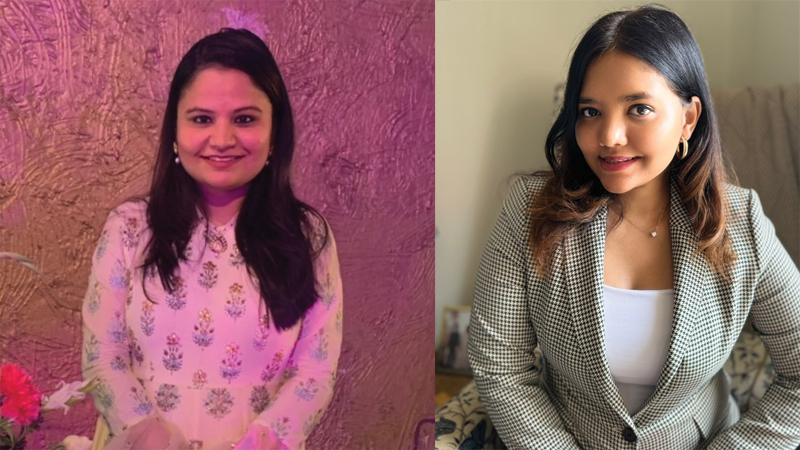
Commenting on the launch of the collection, Louis Philippe AVP-marketing Meghna Khandelwal stated, “We are thrilled to unveil our CGI video for the Gamescape collection. This project represents our commitment to pushing the boundaries of creativity and offering our customers an immersive brand experience. Through innovative storytelling and cutting-edge technology, we aim to inspire and connect with the gaming enthusiasts and fashion-forward individuals of today.”

Elaborating on the social-media amplification roadmap, GOZOOP Group account director, brand communications Prachiti Sathe shared, “The CGI video is indeed a solid technique to engage and familiarize audiences with our peculiar collection – Gamescape. Given the prominence and growing popularity of CGI in today’s digital era, we strategically unveiled a pre-buzz post to generate curiosity, followed by the actual post. Further, we plan on going live with a gaming activity giving exclusive discounts to top scorers and showcasing GOZOOP Group’s commitment to innovation and creativity in their marketing strategies.”
Louis Philippe’s CGI video for Gamescape is set to make waves in the men’s premium lifestyle industry, showcasing the brand’s ability to blend digital innovation with timeless style.



Digital
AI drives 92 per cent surge to 15M views across India’s open web
Taboola data shows rising AI curiosity reshaping digital consumption trends
MUMBAI: Artificial intelligence is fast becoming the internet’s favourite topic in India, with fresh data showing a sharp spike in audience interest across the open web.
Insights from Taboola’s Taboola Newsroom reveal that AI-related content generated more than 15 million pageviews over the past 90 days, marking a striking 92 per cent jump compared to the previous 45-day period. The surge signals a clear shift, with AI moving from niche tech chatter to mainstream digital curiosity.
The broader technology category is also seeing momentum, clocking around 1.7 million pageviews and a 27 per cent rise in engagement. However, much of that growth appears to be riding on the AI wave, as developments in artificial intelligence increasingly dominate tech narratives.
Within the AI ecosystem, newer players are quickly capturing attention. Content linked to Anthropic alone drew roughly 2.5 million pageviews, registering a dramatic 2,096 per cent surge. The spike reflects growing interest in alternative AI models and emerging competitors in the space.
Meanwhile, familiar names continue to hold steady ground. Coverage around ChatGPT generated about 1.2 million pageviews, underlining sustained curiosity as users explore practical applications, updates, and everyday use cases for generative AI tools.
Big Tech is firmly in the spotlight too. Content related to Meta attracted approximately 2.2 million pageviews, up 30 per cent, as audiences track its expanding role in AI infrastructure and innovation.
Taken together, the data points to a deeper shift in how audiences engage with AI. Interest is no longer tied only to big announcements but is evolving into a steady stream of exploration around tools, platforms, and real-world uses.
For publishers, this opens the door to richer storytelling through explainers and practical insights. For advertisers, it presents a chance to tap into a highly engaged, tech-savvy audience.
If the numbers are anything to go by, AI is not just part of the conversation anymore, it is leading it.








