Brands
Loud and clear Ottoman Plates Up a bold new food brand
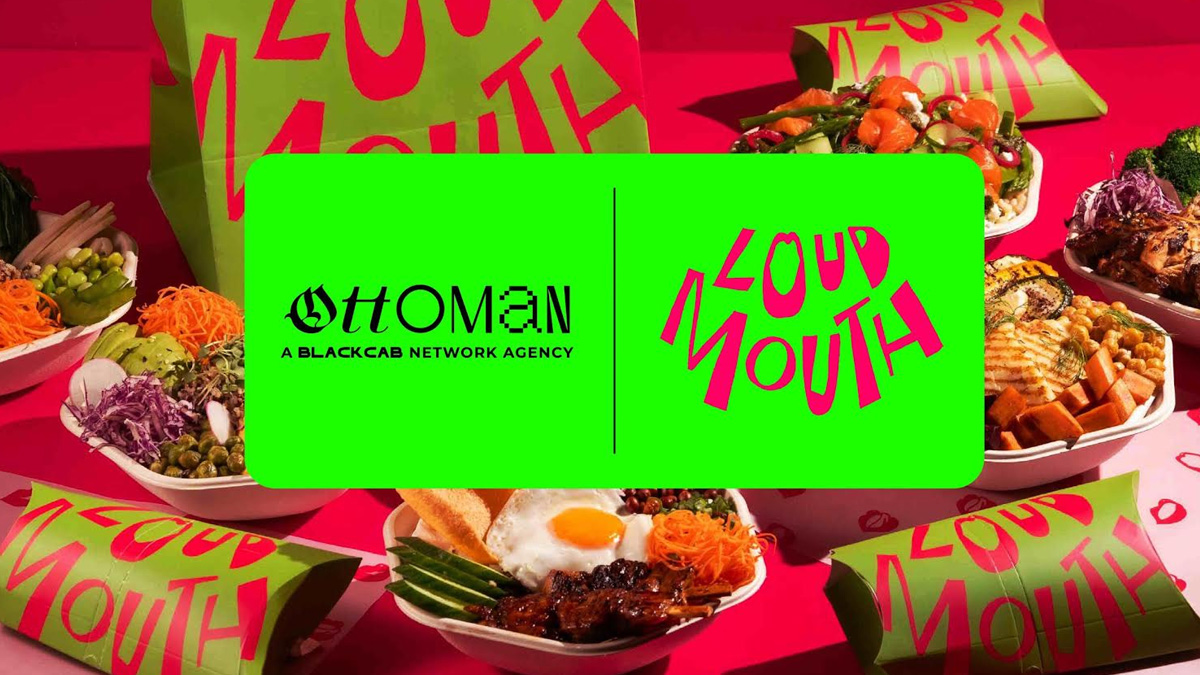
MUMBAI: Some brands whisper their way into the market. Others arrive with a megaphone and a manifesto. Fifteen years after launching The Table, Food Matters Group is back with a very different appetite. Its new delivery-first lifestyle food brand, Loud Mouth, is less about what is on the plate and more about who is holding it. And to shape that personality-led play, the group has brought in Ottoman, the branding and creative design studio within the Black Cab Agency Network, as its branding partner.
Founded by Jay Yousuf and Gauri Devidayal, and conceived and creatively led by Alya Vachani, Loud Mouth was built around a mindset rather than a menu. Instead of beginning with cuisine formats or kitchen logistics, the team focused on defining the brand’s voice and its audience: confident, expressive and distinctly uninterested in being told how to behave.
Ottoman’s role was to translate that attitude into a cohesive brand system that could stretch across screens, packaging and physical spaces. Its mandate spans brand strategy and positioning, visual identity, packaging, creative direction, kiosk design, lifestyle merchandising and the Loud Mouth website. The aim was clarity and character over decoration, building a scalable identity that works as fluently on delivery apps as it does in real-world touchpoints.
“Loud Mouth was never a food-first brief. It was about identity, attitude, and community,” said Ottoman co-founder and creative director Imran Udaipurwala. “The food works because the people behind it know what they’re doing. Our job was to build a brand that could carry that confidence without overexplaining itself.”
For Vachani, the brand’s DNA is rooted in everyday utility with personality. “I lived on bowls and wraps in New York. They were quick, filling, and flavour-packed, the kind of food that fit seamlessly into a busy day. I wanted to be able to do the same here,” she said. “Loud Mouth isn’t just something you order, it’s something that fits into your day. It’s the lunch you eat between work calls, the post-workout meal when you don’t want to think, and the comfort food you eat in bed while watching your favourite show.”
Black Cab co-founder Aayush Bansal framed the collaboration as emblematic of how contemporary brands are built. “You start with a point of view, a personality, and a community. Everything else follows. Ottoman’s work helped ground that thinking into a clear, scalable brand foundation,” he said.
Positioned as unapologetically personality-led, Loud Mouth enters a crowded delivery market by attempting to speak before it serves. Early responses to the identity suggest that the bet on voice over volume may be paying off. Across delivery platforms, digital spaces and emerging physical touchpoints, the brand is drawing in consumers who feel seen rather than sold to.
For Ottoman, the project reinforces its focus on culture-first branding, where personality is not an afterthought but the starting point. For Loud Mouth, it marks the beginning of a venture that does not need to shout to be heard.

Brands
Creative Intelligence: Using AI to Predict Which Ads Will Actually Convert
Priyanka Aeron, Director & Co-founder of Thrive Global AI
MUMBAI: In a heavily populated digital landscape, simply being creative with your advertising will not guarantee that your ad will be successful. In fact, brands today are producing more content than ever. However, very little of that results in actual engagement or sales. However, Creative Intelligence, powered by AI, is fundamentally transforming the advertising industry.
Creative Intelligence utilizes data, machine learning, and statistical behavioral insights to analyze and predict how well a creative asset will perform prior to it being published. Therefore, marketers no longer have to rely on either their gut instincts or post-campaign analytics for making informed decisions before production. That said, AI-powered creative intelligence greatly improves results and decreases wasted dollars spent.
Moving Beyond Guesswork
In the past, making ads was a mix of gut feeling, experience, and A/B testing. These methods were useful, but reactive by nature. People have already spent their budgets by the time the results are looked at. AI models can find patterns that are linked to higher engagement and conversion rates by looking at huge datasets. These datasets can include things like past campaign performance, audience behavior, and visual elements like color, composition, and facial expressions. This helps marketers guess which ads will do well even before they go live.
Decoding What Truly Drives Conversions
AI-powered creative intelligence allows for an evaluation of advertisements that is not limited to the basic data but also explores the elements of an effective advertisement through subtle reactions; clarity and directness of the ad message and how well the ad captures audience’s attention in the first three seconds. AI can also provide insights into the successful use of advertisements directed to human faces, which connect through eye contact based on media channels, and how advertisements that utilize shorter but clear calls to action may produce more clicks from certain populations. The insights, provided through AI, provide marketers with the ability to think beyond creating more advertising material and additionally create more effective ad campaigns that actually convert.
Personalization at Scale
Consumers expect relevance more than ever. Irrelevant mass messaging is not going to work in a society inundated with information. Hyper-personalization, using AI, allows companies to create content that suits individual segments within their target markets based on their demographics, interests, and behaviors. Rather than having one single message that aims to reach everyone, brands can have many versions of their messages tailored to each segment within the market. Such flexibility is what makes campaigns successful nowadays.
Faster Iteration, Better Results
Another advantage to using AI in creative decision-making is speed. Companies must improvise because their campaign cycles are shorter than ever before, and having the ability to iterate rapidly is more important than it has ever been. There is no greater way to do this work than through AI, as new technologies give brands the ability to test multiple creative avenues and figure out which ones are working well. This reduces a lot of the testing that companies would otherwise have to do and makes the process faster.
With AI, brands can also make creative changes in real-time during a campaign, allowing the, to make vital decisions and adjust their creatives, rather than waiting out. This allows for faster adaptability, well-tested campaigns and reduced lost ad spend.
The Human-AI Collaboration
Even though AI is capable of performing certain tasks, its purpose is not to eliminate human creativity. Successful campaigns require human collaboration with computer intellect since both complement each other. While computers are capable of dealing with massive amounts of information, discovering patterns, and providing predictions, humans are the one to inject stories and emotions into campaigns.
The Future of Advertising
As the complexity of advertising becomes harder with the passage of time, Creative Intelligence will play a significant role in helping marketers formulate a strategic approach. The yardstick that will set standards for determining whether a marketing firm has fulfilled its responsibilities will be the forecasting of future outcomes, as well as personalized content and optimization of creative elements in real-time. In contrast to the existing scenario where the campaigns remain fixed, these campaigns will be capable of adjusting themselves according to the customer interacting with the brand, as well as other trends on social media channels. This will enable brands to offer customers an engaging experience that will exceed expectations. The biggest hurdle marketers will face will be finding ways to utilize these capabilities without compromising branding and enhancing the creativity of the team involved.