MAM
Leo Burnett gets Vir Das to take on sexist ads


MUMBAI: Vir Das is back and this time with a vengeance against sexist commercials. Starring in a television commercial for Emami’s flagship men’s deodorant brand He, Das puts on the shoes of every female model who has to go through awkward and uncomfortable film shoots to promote a product. In his signature satirical style, Das takes on several brands, which are instantly recognisable in the parody thanks to their trademark ‘sexist’ ads. Launched digitally on 13 May, the video has already garnered over a lakh views on Facebook, and the YouTube counter is going strong.
The video starts off with Das sensuously caressing a mango in his hand (very clearly hinting at Slice’s ads featuring Katrina Kaif), while shooting for an ad film, and the scene quickly cuts to a sporty looking bike on which Das tries a sexy pose. He leads the audience to a very familiar ‘fallen angel’ setting of a deodorant advertisement, while subtly hinting at Axe and its flagship range of TV spots that are known to titillate men by objectifying women.

All the while Das points out how silly it is to objectify women to sell products, just like ‘He Respect’, the deo brand he is promoting, cause ‘real men respect women.’ In fact, another spot released by the brand on May 13 starring the brand ambassador Hrithik Roshan clarifies the brand’s positioning with #AsliMenRespectWomen.

Conceptualised by Orchard Advertising and directed by Surjo Deb under UBIK films, the one minute video is clever and inspiring — a much needed differentiated brand communication in the men’s grooming product segment.

“The product had an interesting brand positioning to work with. Highlighting the need to ‘respect’ women, the brand spoke of a different breed of men who are cool because they respect women. It’s not the deo that gets them admiration from the opposite sex, it’s this identity as a man who respects women that does,” shared Leo Burnett chief creative officer Raj Deepak Das, adding that the product idea was also developed by the creative agency.

When asked about calling out other brands for being sexist in the video, the creative clarified, “While the ad film does communicate the message that a product doesn’t need to objectify women to be sold, the video has done a funny take on it. It is more of a generalisation than targeting any brand and I hope viewers take it in the funny light that it’s been created.” Besides, “you can’t stop a comedian from making fun of things,” he added with a chuckle.

This isn’t the first time that a brand has taken on advertising stereotypes to position itself differently. Emraan Hashmi starrer Meglow ad that came out last year, came under the critical radar within the industry after speaking strongly against fairness cream ads that claim to perform life altering wonders for men. Though it was debatable whether it managed to stay progressive till the end, the reception it got on social media was quite commendable.
Treatment of women in advertisement has been a long running debate and a sensitive topic within the industry and thus requires a clever handling, lest it appears run of the mill. It may be recalled that recently a TV spot promoting Ola Micro had to be called off for its sexist intonations that sparked outrage over social media. Thus, a brand communication that speaks directly against it may work in Emami’s favour. Whether Vir Das’ funny take on it will add that much needed factor x, only time will tell.







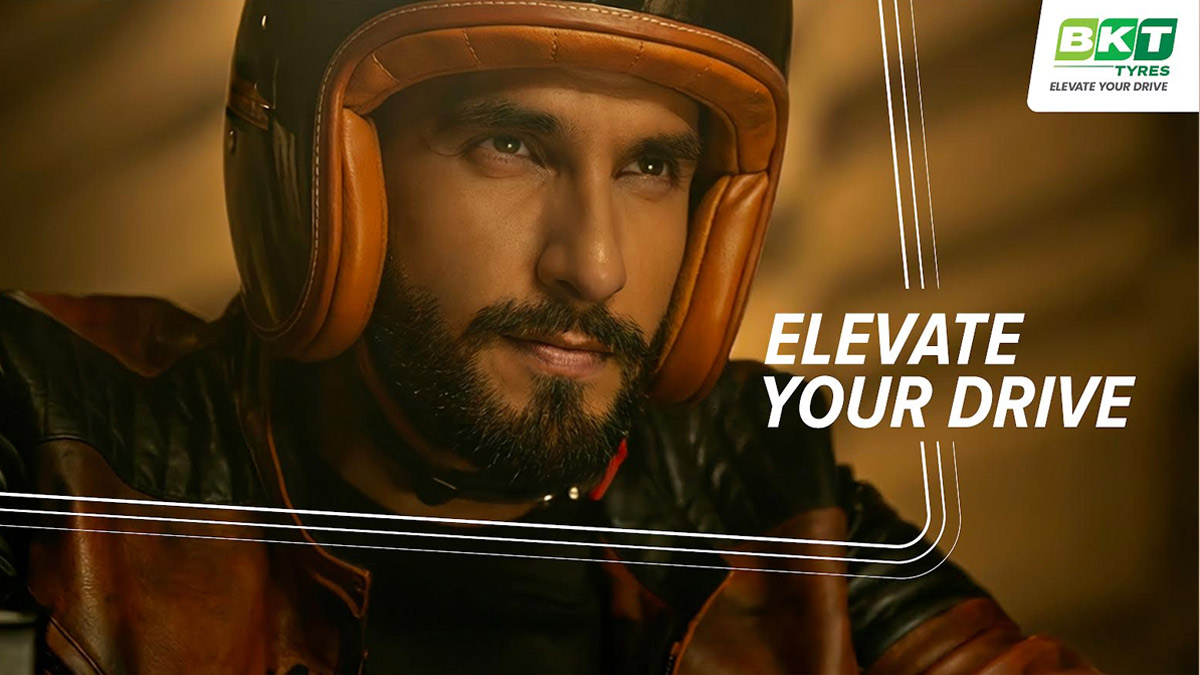
MUMBAI: BKT Tyres has decided to roll into the two-wheeler world with some serious jurrat and it’s brought Ranveer Singh along for the ride. The off-highway tyre specialist has unveiled its new campaign, ‘Jurrat’, marking a strategic push into India’s massive two-wheeler segment. The high-energy TV commercial, featuring brand ambassador Ranveer Singh, debuted on 3 April 2026 during the Indian Men’s T20 League 2026.
The campaign revolves around the core belief that true confidence on the road comes from dependable performance beneath you. ‘Jurrat’ (meaning courage) captures the mindset of riders who navigate dynamic and often unpredictable daily commutes with determination. It brings BKT Tyres’ brand philosophy ‘Elevate Your Drive’ into the two-wheeler space by spotlighting three key product benefits: long life, exceptional road grip, and unmatched comfort.
BKT Tyres chief marketing officer for India Mahesh Koppad said, “India’s two-wheeler segment reflects the way the country moves, works, and progresses every day. ‘Jurrat’ highlights how performance-led tyres, engineered for long life, comfort, and grip, enhance the overall riding experience and support uninterrupted progress in everyday life.”
The campaign is being rolled out across television and digital platforms with high-impact placements to ensure maximum reach and engagement.
This launch represents BKT Tyres’ calibrated expansion from its stronghold in off-highway tyres to becoming a more holistic mobility brand, addressing the everyday transportation needs of millions of Indian riders who rely on motorcycles and scooters as their primary mode of transport.
In a segment where confidence is everything, BKT Tyres is betting that a combination of bold celebrity appeal and strong product performance will help it gain serious traction on Indian roads. The campaign signals that the company is ready to move beyond its traditional turf and accelerate in the fast-paced two-wheeler market.






