MAM
Laqshya Advertising ropes in Sai Nagesh as CEO

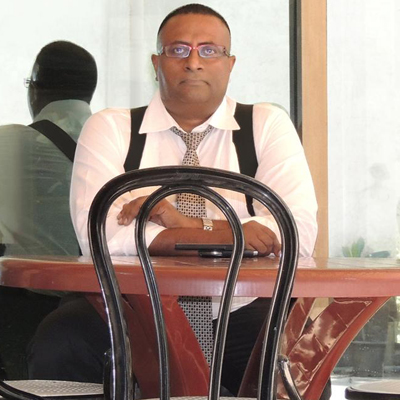
MUMBAI: Laqshya Media Group has announced that it has appointed advertising veteran Sai Nagesh as chief executive officer of Laqshya Advertising. In addition to this, he will also be heading strategy for the group as chief strategy officer.
Laqshya Advertising is the latest venture from the group and is being set up as a new-age advertising agency to provide cutting edge solutions through digital media as well as communication solutions that cut across the fast blurring lines between paid, owned and earned media.

The new appointment comes at a time when Laqshya Media Group has diversified and expanded its services to include activations, event IPs and advertising.
Laqshya Media Group managing director Alok Jalan said, “The kind of expertise and experience Sai brings to the table is immense and we are excited to have someone of his calibre on board with us. I am certain that Sai will offer valuable insights at a time like this when our company is exploring new opportunities and avenues for growth.”
“Having been an intimate part of the Digital Ecosystem for the last couple of years, I have realized the awesome value addition that an Agency with integrated offerings can deliver. Our solutions will be embedded in an Omnichannel approach straddling all screens and will give our clients a 360 degree view of Marketing and Advertising campaigns (both Digital & Offline) as well as customer behavior, lifecycles and lifetime value. I have known the Laqshya group for the last 15 years; this familiarity combined with their vast network and expertise is a huge advantage that we are starting off with,” added Nagesh.
In a career spanning a quarter of a century, Nagesh has sold advertising space for newspapers, helped launch television channels and worked with leading advertising agencies. He was also part of the team that launched GroupM in India. His last assignment was as CMO for bedbathmore.com





MAM
VIDA partners with Kolkata Knight Riders, gifts SRK limited-edition electric scooter
Bollywood superstar receives custom DIRT.E K3 Knight Edition as symbol of collaboration.
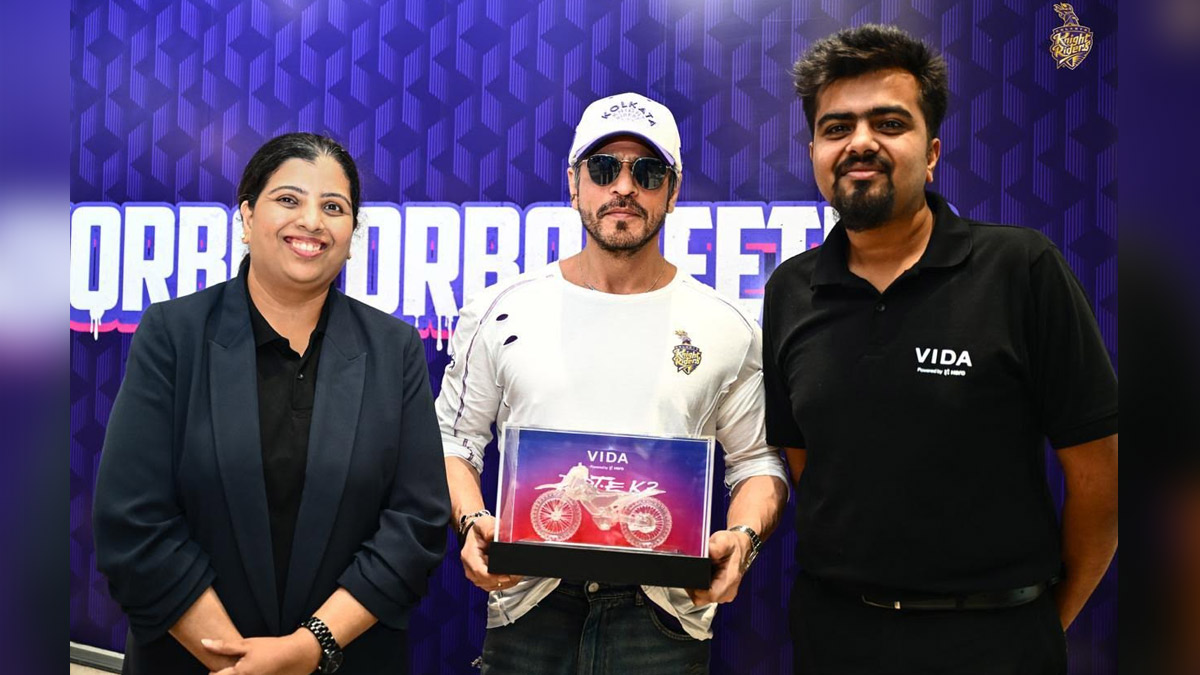
MUMBAI: Shah Rukh Khan just got a new ride that’s truly fit for a King and it comes with a serious green twist. Electric two-wheeler brand VIDA has teamed up with Kolkata Knight Riders for the upcoming cricket season and marked the partnership by presenting a limited-edition DIRT.E K3 – the Knight Edition – to the team’s co-owner and global icon, Shah Rukh Khan.
The custom scooter symbolises the coming together of two brands that stand for aspiration, confidence, and a progressive, sustainable future. VIDA and KKR aim to engage with a generation that is bold in its choices and ready to drive meaningful change.
The sleek, knight-themed DIRT.E K3 was specially designed to reflect the spirit of the partnership, blending performance with eco-conscious mobility.
This collaboration highlights VIDA’s growing presence in the electric mobility space while leveraging the massive reach and emotional connect of the Kolkata Knight Riders franchise and its charismatic leader.
In a world where style meets sustainability, VIDA and KKR have found the perfect match. With Shah Rukh Khan now officially riding for the Knight Riders off the field as well, this partnership promises to be anything but ordinary. Expect the roads and the stands to get a lot more stylish and a lot more electric.







