Brands
Kwality Wall’s reports standalone losses following strategic HUL demerger
Ice cream major faces Rs 64 crore Ebitda loss amid commodity inflation and muted Q3 sales

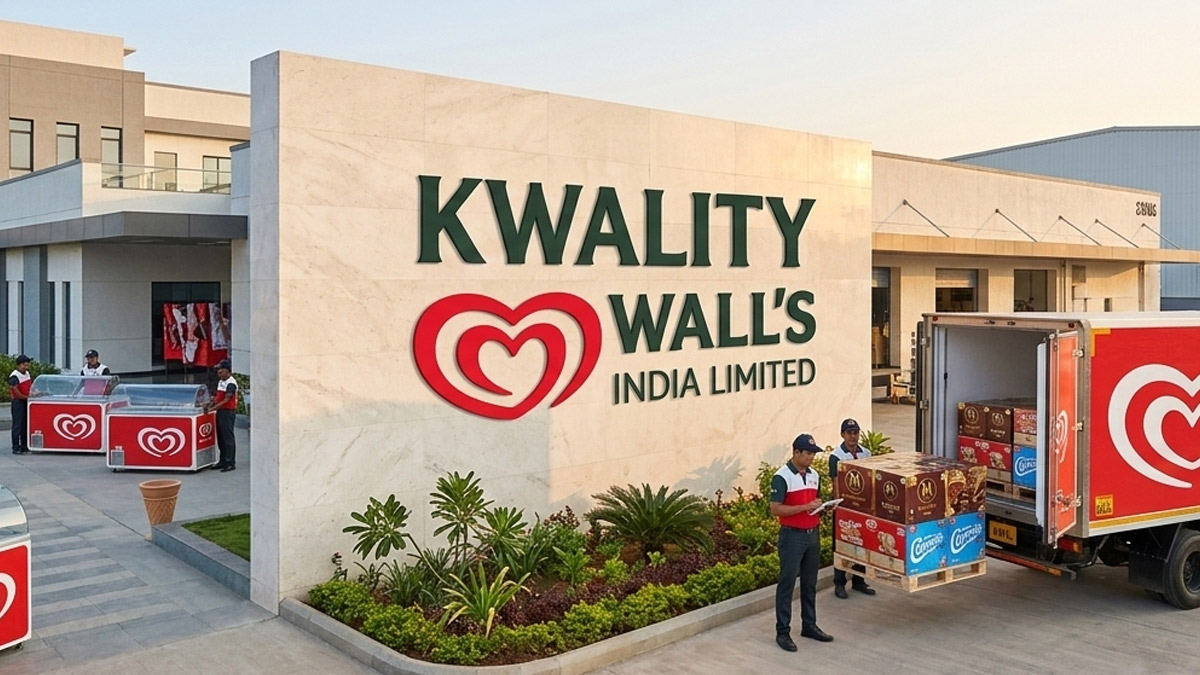
MUMBAI: Kwality Wall’s (India) Limited (KWIL) has released its first set of financial results as a standalone entity, revealing a challenging start to its independent journey. Following its successful demerger from Hindustan Unilever Limited (HUL) on 1st December 2025 and its subsequent listing on 16th February 2026, the company is navigating a transition period marked by structural changes and high input costs.
For the quarter ended 31st December 2025, the company reported revenue of Rs 222 crores. Despite the revenue base, the bottom line was impacted by several factors, resulting in an Ebitda loss of Rs 64.2 crores. When calculated on a Pre-IND AS 116 basis, the Ebitda loss stood at Rs 83.8 crores.
Organic Sales Growth (OSG) declined by 6.5 per cent year-on-year during the quarter. Volume growth, however, saw a marginal increase of 1.2 per cent. The company reported a gross margin of 41.5 per cent. Additionally, exceptional expenses amounting to Rs 94 crores were recorded, primarily linked to non-recurring costs during the transition phase.

Performance across portfolios and channels was mixed. Within the impulse portfolio, brands such as Magnum and Cornetto recorded mid-single digit volume growth, indicating steady demand in on-the-go consumption. However, the in-home portfolio, which includes take-home packs, experienced muted consumption. The company is planning a relaunch of this category with improved offerings ahead of the 2026 season.
Quick commerce (Q-Com) continued to emerge as a strong growth driver, delivering robust double-digit growth during the quarter. Meanwhile, the company also expanded its physical distribution network by increasing the number of company-owned cabinets across markets.
Margin pressure during the quarter was driven by a combination of one-off factors and broader cost inflation. Gross margins were impacted by around 600 basis points due to trade investments made for stock liquidation. Additionally, cocoa price inflation contributed to another 400 basis points of pressure on margins.
Deputy managing director Chitrank Goel attributed the muted performance partly to prolonged monsoons and transitional challenges linked to the GST framework. Operating expenses also increased as the company invested in establishing its standalone supply chain, operational systems and corporate infrastructure following the demerger.
Looking ahead, the management remains focused on a volume-driven growth strategy. To restore profitability, the company has initiated a cost productivity programme aimed at reducing non-consumer-facing costs. It is also working on building regional manufacturing networks to optimise logistics expenses and improve operational efficiency.
The commodity outlook for the near term remains mixed. Dairy prices are expected to remain firm due to tight supply conditions and rising fodder costs. Sugar prices may also move higher following increases in the Minimum Selling Price (MSP). While cocoa prices have moderated recently, currency depreciation has offset some of the potential cost relief for the company.







Brands
Rakesh Menon joins Paytm as avp – lending
Fintech product leader takes on new role after building digital lending, payments and credit products across fintech ecosystem
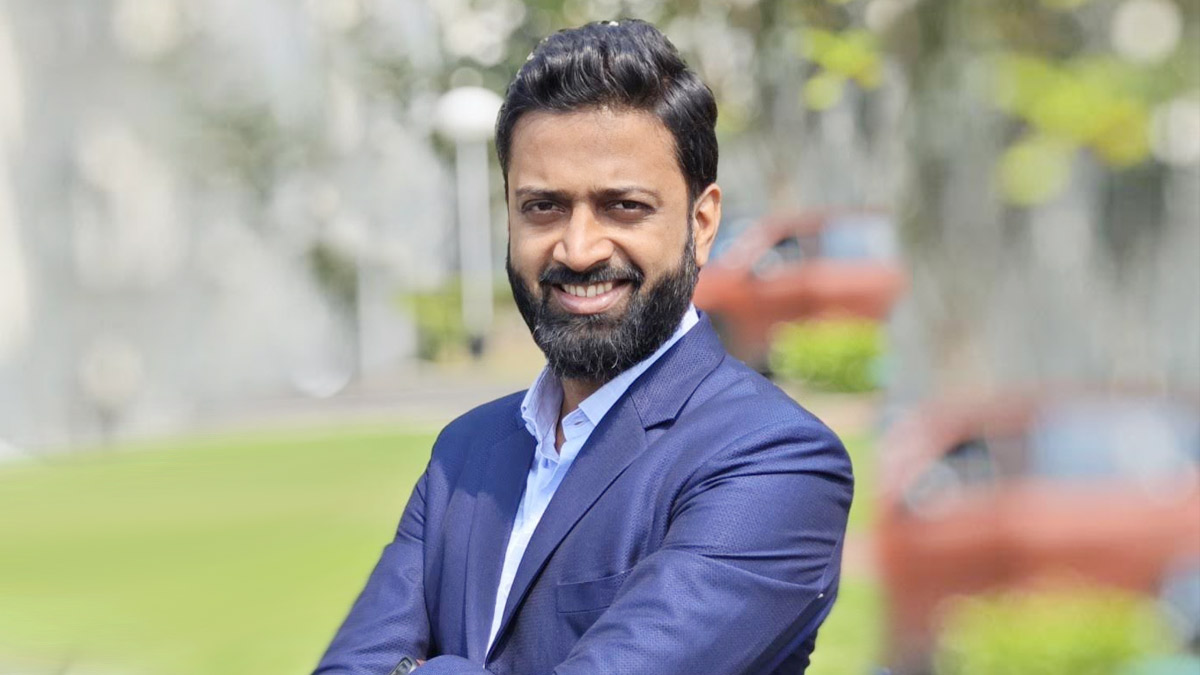
MUMBAI: Rakesh Menon has joined Paytm as assistant vice president – lending, taking on a new role focused on strengthening the company’s lending and credit products.
Prior to this, Menon worked at Profectus Capital Pvt Ltd as chief manager – payments based financing and digital lending.
At Profectus, he designed and launched digital credit products for merchants with variable cash flows, including overdraft-linked and revenue-share lending models. He led end-to-end LOS–LMS API integrations with payment partners and aggregators, enabling real-time underwriting, disbursal and repayment workflows.
He also worked on funnel optimisation initiatives using journey analytics, improving onboarding, KYC and disbursal conversion by 35 per cent. He developed ecosystem partnerships for transaction-data-based credit assessment and automated settlement systems, and collaborated with credit and data science teams to strengthen risk models and early delinquency detection.
Menon standardised partner onboarding and API frameworks, reducing go-live timelines by 40 per cent and improving digital scalability.
Before Profectus Capital, he worked at PayU as senior manager – presales lead – enterprise business from August 2022 to August 2023. He set up a national presales function for fintech and digital commerce clients, aligning solutions such as EMI, BNPL, BBPS and offer engines to merchant requirements.
He also helped improve conversion rates by around 15 per cent through merchant persona mapping, demo frameworks and structured sales playbooks, working closely with product and go-to-market teams.
From April 2019 to July 2022, Menon served as business unit head – SMB – direct acquisitions at Worldline, where he built the SMB online payments vertical from scratch. The business scaled to Rs 2,500 crore in annual transaction volume, growing at 45 per cent year-on-year.
During this period, he introduced paperless onboarding processes including eKYC and eSign, developed partner dashboards and CRM automation systems, and integrated platforms such as Shopify, WooCommerce and Tally to expand merchant adoption.
Across roles, Menon has worked across digital lending, payments and merchant financing, with experience in product development, ecosystem partnerships, API integrations and fintech-led growth strategies.
At Paytm, he will focus on scaling lending products and strengthening digital credit infrastructure within the company’s financial services ecosystem.
His appointment comes as fintech firms continue to expand their lending and embedded finance offerings in a competitive market.







