MAM
Kiran Mani quits JioStar to lead OpenAI’s Asia-Pacific push
The American AI giant poaches one of India’s most seasoned technology executives to drive its ambitions in the region, as India cements its place as a critical growth market

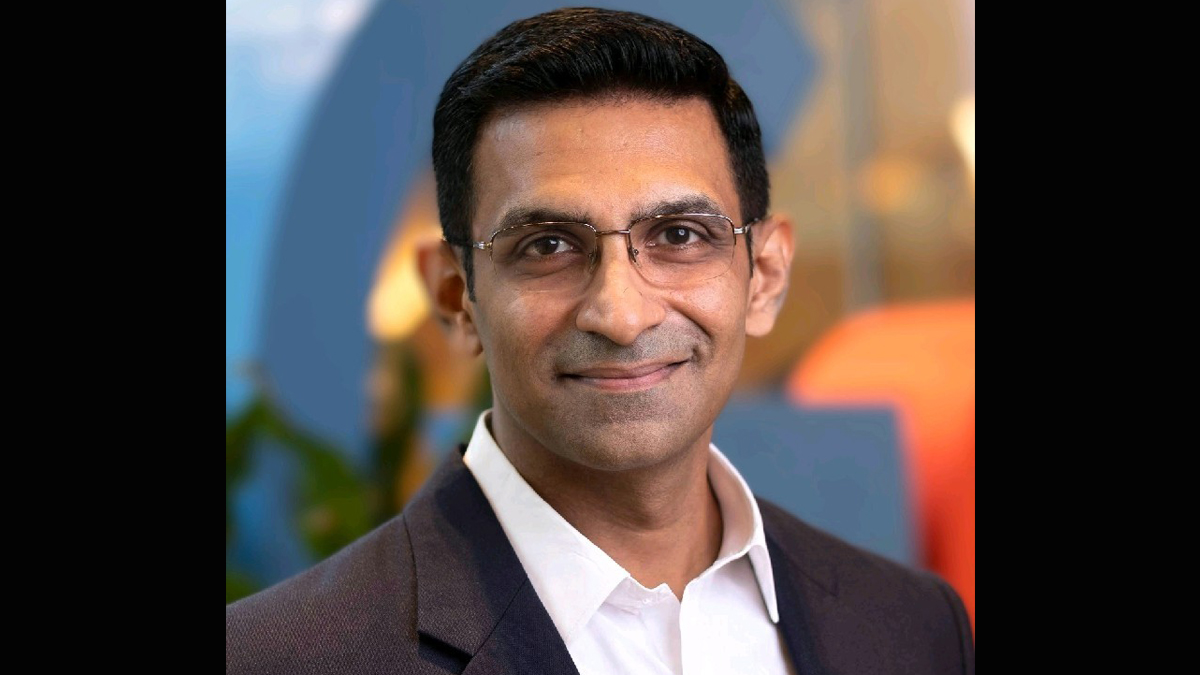
MUMBAI: Kiran Mani, the founding chief executive of JioHotstar and one of India’s most seasoned technology executives, has quit JioStar to become OpenAI’s managing director for Asia Pacific, a newly created role that signals how seriously the San Francisco-based AI company is betting on the region.
Mani, who stepped down as chief executive, digital at JioStar, will take up the position in June, relocating from Mumbai to Singapore. He will report directly to Jason Kwon, OpenAI’s chief strategy officer, sources privy to the development told ET.
The appointment is a coup for OpenAI. Mani spent more than 13 years at Google, where he ran the Android and Google Play business across Asia Pacific and Japan, and before that oversaw more than $5bn in advertising revenue as managing director of US retail, a role that also made him head of Google’s global retail practice. Earlier stints at Microsoft, IBM and Ogilvy & Mather round out a career that spans brand-building, P&L management and digital transformation across three continents.

At JioStar, he architected the merger of Viacom18 with Star India to create India’s largest media and entertainment platform, no small feat in a market notorious for its complexity.
The hire underscores a simple commercial reality: India is OpenAI’s second-largest global user base, and the broader Asia Pacific region is growing faster than almost anywhere else. Mani will lead regional strategy and operations from Singapore, inheriting a market that has become, as one source put it, a key growth engine for the company.
For OpenAI, the race to dominate Asian AI adoption is on. With Mani in the chair, it has found someone who knows exactly how to run hard.






MAM
GUEST COLUMN: How data and adtech are driving OOH growth in India
Data and technology are reshaping OOH and boosting advertiser confidence.
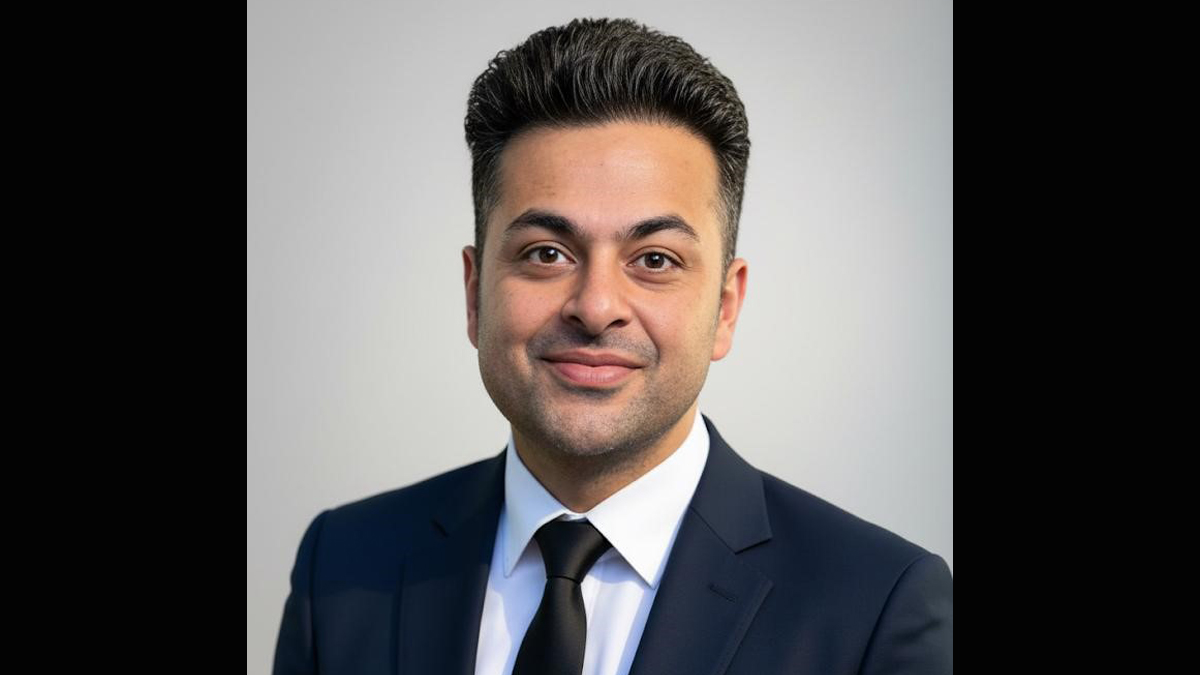
MUMBAI: Out-of-Home (OOH) advertising is evolving from a traditional, location-driven medium into a data-informed channel that blends physical presence with digital intelligence. For Nipun Arora, co-founder of Osmo, this transformation is redefining how advertisers plan, execute, and measure campaigns in India. In this piece, Arora explores how traffic, mobility, and AI-powered data are enhancing site and audience insights, why DOOH is accelerating precision planning, and how authenticity, creativity, and repeat exposure are driving renewed advertiser confidence in OOH.
For years, Out-of-Home (OOH) advertising operated with minimal reliance on data. Site selection was largely driven by visibility, location, and a planner’s understanding of traffic patterns.
That is now changing rapidly.
The first shift came with traffic data, offering basic estimates of vehicular movement. This evolved into mobility data powered by GPS signals, enabling deeper insights into audience movement and behavior. Point-of-interest data further refined this by helping advertisers understand who is likely to be present around a location.
Today, artificial intelligence and computer vision are unlocking an entirely new layer of site and audience intelligence. Together, these data streams are transforming OOH from a real estate-led medium into a data-backed one.
The rise of Digital Out-of-Home (DOOH) is accelerating this shift. Campaigns can now be planned, scheduled, and optimized with increasing precision bringing OOH closer to an adtech model. That said, as a physical medium, OOH still operates within real-world constraints, making this transition gradual rather than absolute.
At the same time, advertisers are returning to OOH with renewed interest.
One of the biggest drivers is authenticity. Unlike digital platforms, OOH offers real-world visibility free from bots, fraudulent impressions, or ad blockers. What you see is what exists.
There’s also growing digital fatigue. Consumers are overwhelmed by constant online advertising, often choosing to skip or ignore it. OOH, by contrast, engages audiences naturally within their environment, without interruption.
Mobility further strengthens its impact. As people move through cities daily, OOH benefits from repeated exposure building recall over time in a way few channels can match.
Add to this the power of creativity. Large formats and contextual executions don’t just capture attention, they often extend beyond the physical space, finding life on social media.
Finally, the increasing availability of data at the planning stage is boosting advertiser confidence. Better insights mean better decisions and more accountability.
As cities grow and movement increases, OOH is uniquely positioned at the intersection of physical presence and data intelligence. Its evolution from billboards to big data isn’t just a technological shift, it’s a redefinition of the medium itself.
Note: The views expressed in this article are solely the author’s and do not necessarily reflect our own.








