Ad Campaigns
Kings XI partner 2baconil launches anti-tobacco campaign, TVC soon

MUMBAI: Rusan Pharma Ltd. a leading global pharmaceutical company specializing in the treatment of Addiction, has indigenously developed and manufactured India’s first 24 hour ‘Nicotine Transdermal Patch – 2baconilTM. The brand has made an association with Kings XI Punjab as their health partner to kick start an anti – tobacco/smoking campaign #MyWill2baconil, to spread awareness and educate people about 2baconilTM as a solution to help quit tobacco.
India is among the top 10 countries and accounts for two-third of the world’s smokers (63.6%) in 2015.In India, Government estimates show over 5,500 youth start tobacco use every day, whereas around 35% of adults consume tobacco in some form or other. Over 25% of females start tobacco use before the age of 15 in the country.
The campaign is unique in nature as it not only raises awareness but also introduces a solution with a high-technology product like 2baconilTM, which helps to curb withdrawals experienced during quitting tobacco. Rusan Pharma, specializes in the innovation and manufacturing of transdermal patches.

International and domestic players of Kings XI Punjab like Virendra Sehwag, Wriddhiman Saha, Hashim Amla, Martin Guptil, Axar Patel and Ishant Sharma will actively participate in the campaign to help spread awareness to quit tobacco/smoking. An official TVC with these celebrated athletes will also be released to highlight and appeal to their fans to join the cause.
Business head Malavika Kaura Saxena said, “The campaign has been designed using a unique Smart Time Release Technology that acts as an aid to help control their withdrawals with a step down therapy…”
Kings XI Punjab CEO Satish Menon said, “2baconil operates for a great cause, that of reducing the harm caused by tobacco through patches.”

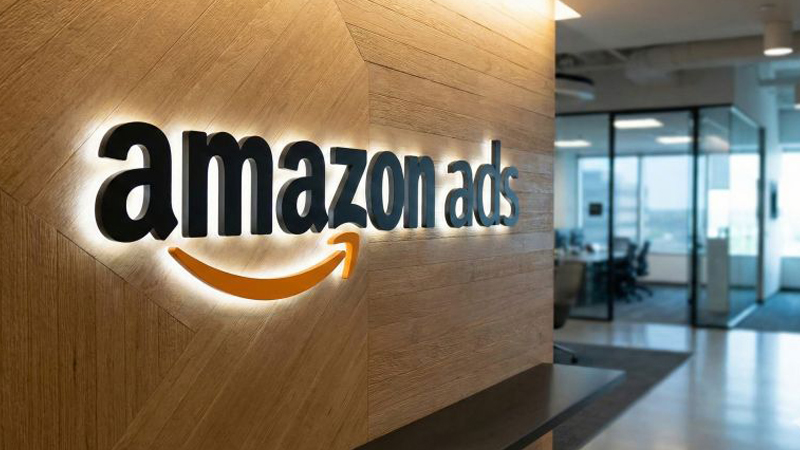
NATIONAL: Amazon Ads has laid out a sharply tech-led vision for the advertising industry in 2026, arguing that artificial intelligence, streaming TV and creator partnerships will combine to turn brand building into a more precise, performance-driven business.
At the heart of the shift, the company says, is the fusion of AI with Amazon’s vast trove of shopping, browsing and streaming signals, allowing advertisers to move beyond blunt reach metrics to campaigns designed around real customer behaviour.
“The future of advertising is not about reaching more people, but the right people with messages that resonate,” said Amazon Ads India head and vice president Girish Prabhu. “By combining AI with deep customer insights, we help brands move from broadcasting campaigns to having meaningful conversations wherever audiences spend their time.”
One of the biggest changes, according to Amazon Ads, will be the collapse of the wall between media planning and creative development. Retail media, powered by first-party data, is increasingly shaping everything from brand discovery to final purchase, pushing marketers to design campaigns around audience insight rather than internal instinct.
AI is also moving from a support tool to a creative engine. Agentic AI, which automates and accelerates production, is expected to make high-quality creative accessible even to small businesses, compressing weeks of work into hours and giving challengers the ability to compete with larger brands on speed and scale.
Behind the scenes, AI-driven analytics will take on a bigger role in campaign optimisation, identifying patterns, spotting opportunities and recommending actions that would previously have required teams of analysts.
Streaming TV is another big battleground. With India’s video streaming audience now above 600 million and connected TV users at 129.2 million in 2025, advertisers are set to treat streaming not just as a branding channel but as a performance engine, measured increasingly by sales, sign-ups and bookings rather than just reach.
Finally, Amazon Ads sees creators and contextual advertising reshaping how brands tell stories. Creators will act less like influencers and more like long-term partners, while scene-aware ads on streaming platforms will allow brands to insert hyper-relevant offers into the flow of what viewers are watching.
Taken together, Amazon Ads argues, these shifts mark a move towards advertising that is both more human and more measurable, where AI handles the complexity, and creativity does the persuading.







