MAM
Kingfisher Airlines launches; first run on 9 May

MUMBAI: In the true Mallya style, the UB Group made its formal entry into the aviation sector on 7 May with the launch of Kingfisher Airlines. The airline will take its first flight on 9 May. Kingfisher will be the first private Indian airline to commence operations with brand new aircraft.
A total of 33 new Airbus aircraft are on order – 10 A 320 and A 319s – with options open to buying a further 20 aircraft. Kingfisher will also have a single class of travel -Kingfisher Class with a total of 174 seats in the A320-200 and 144 seats in the A319s.
As reported earlier by Indiantlevision.com, for inflight entertainment, the airline has got a personal video screen for every seat with 10 audio and 5 video channels.
All the aircraft will also be equipped with an automated external defibrillator, a simple device used to treat sudden cardiac arrest as well as a paperless cockpit. The entry by the UB group into the aviation segment is a project of $ 1.8 billion.

Civil aviation has been the latest area of interest for the UB Group. Speaking at the launch, UB Group chairman Dr Vijay Mallya said, “After the entry of Kingfisher in the civil aviation sector, this too will be a sector that will attract a lot of FDI (foreign direct investment).”
Stressing on the new emerging India, and more importantly the new consumer class of Indians, Mallya stated that that Kingfisher Airlines would satiate in every way the desires of this new emerging class. “We believe we understand consumer needs and aspirations as well as what one calls value for money and Kingfisher will address all the three stated aspects.”
Mallya also said that with the coming of Kingfisher Airlines, the civil aviation sector for the first time will witness a double digit growth. Another interesting point was that this was first time that a true synergy between the public and the private sector company has taken place as Kingfisher airlines has outsourced all their ground activities to Indian Airlines.
Says aviation minister Prafful Patel,”The Indian civil aviation sector must expand and both the public and private sector players need to ensure its growth. The boom in aviation needs to be fueled by these players and the Government will extend all its support and encouragement for the same.”



MAM
Ameya Velankar steps down as Uber’s head of marketing for India & South Asia
Veteran marketer exits after more than seven years with the ride-hailing giant.
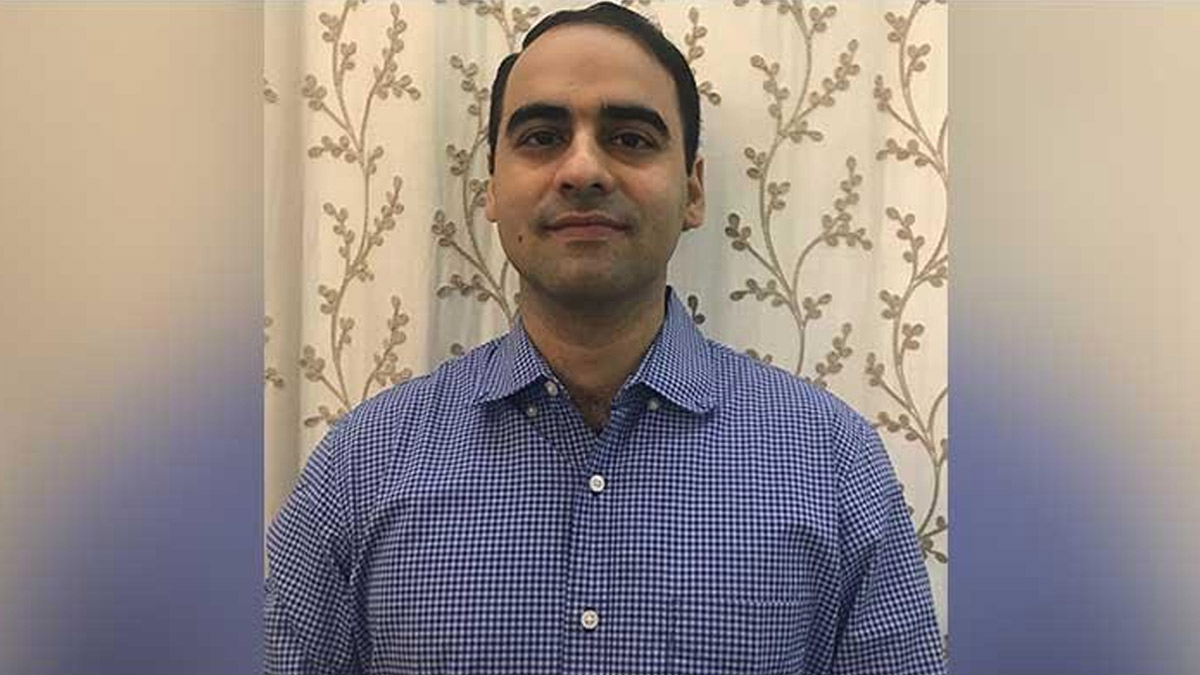
MUMBAI: After more than seven years of steering Uber through the bumpy roads of India’s mobility market, Ameya Velankar has decided to change lanes. Ameya Velankar has stepped down as Head of Marketing for India and South Asia, marking the end of a significant chapter at the ride-hailing company. He had been with Uber since 2019, taking on multiple roles in product and category marketing before rising to lead the marketing function for the region in 2021.
During his tenure, Velankar played a key role in strengthening Uber’s positioning in one of its most competitive and dynamic markets. He helped drive localised marketing strategies and scale adoption across key offerings such as Auto, Moto, Rentals and Intercity, tailoring global platforms to Indian consumer needs.
Prior to joining Uber, Velankar built his marketing expertise at leading consumer companies including SC Johnson and Marico, where he handled category and product leadership roles. His career began at RPG Enterprises.
Details of his next professional move have not been disclosed.
In a fast-evolving mobility landscape where brands constantly battle for attention, Ameya Velankar helped Uber stay relevant and resonant with millions of Indian users. As he moves on from the driver’s seat of marketing, the company will now look for fresh ideas to keep its wheels turning smoothly.






