MAM
JWT reveals initial findings of study on luxury brands


MUMBAI: Franco-Indian research project on ‘Communicating luxury to the affluent masses‘ between JWT Mumbai and the French Grande Ecole, ESC Dijon-Bourgogne presented their initial findings.
The objective of the study was to gain a deeper understanding of how to retain exclusivity whilst marketing luxury to a wider audience.
The paper explains three phases in the evolution of the market: luxurification, deluxurifcation and re luxurification. It suggests connoting a sense of ‘distance‘ as being the key to building long terms brand success.
ESC Dijon professor of marketing Glyn Atwal said, “The luxurification of Indian consumer society means that consumers are now developing brand preferences.
An important and paradoxical revelation of the research study was the process of deluxurification in India. An online survey with luxury consumers found that only 43 per cent of respondents agreed that luxury brands are of significant higher quality than non-luxury brands.
JWT Mumbai VP and executive planning director Shaziya Khan added, “Luxury brands can reach out to the affluent masses but they need to retain the aura of prestige and exclusivity.”
Khan has written extensively on the importance of luxury brands connoting distance, as the financial gap among the affluent masses and classes narrows.
“Luxury brands have a range of techniques to evoke a sense of distance. For example, this could be based on cultural, historical or intellectual distance. This will give luxury brands a sustainable competitive advantage” Khan added.
The study concludes that luxury brands need to consider a strategy of reluxurification. Khan said, “This is about creating a sense of distance. If something is within reach, you don‘t value it as much as you value something that is far from you or beyond you.”




Brands
YES Bank hands the keys to SBI veteran Vinay Tonse as it bets on a new era
Former SBI managing director appointed as YES Bank’s new MD and CEO
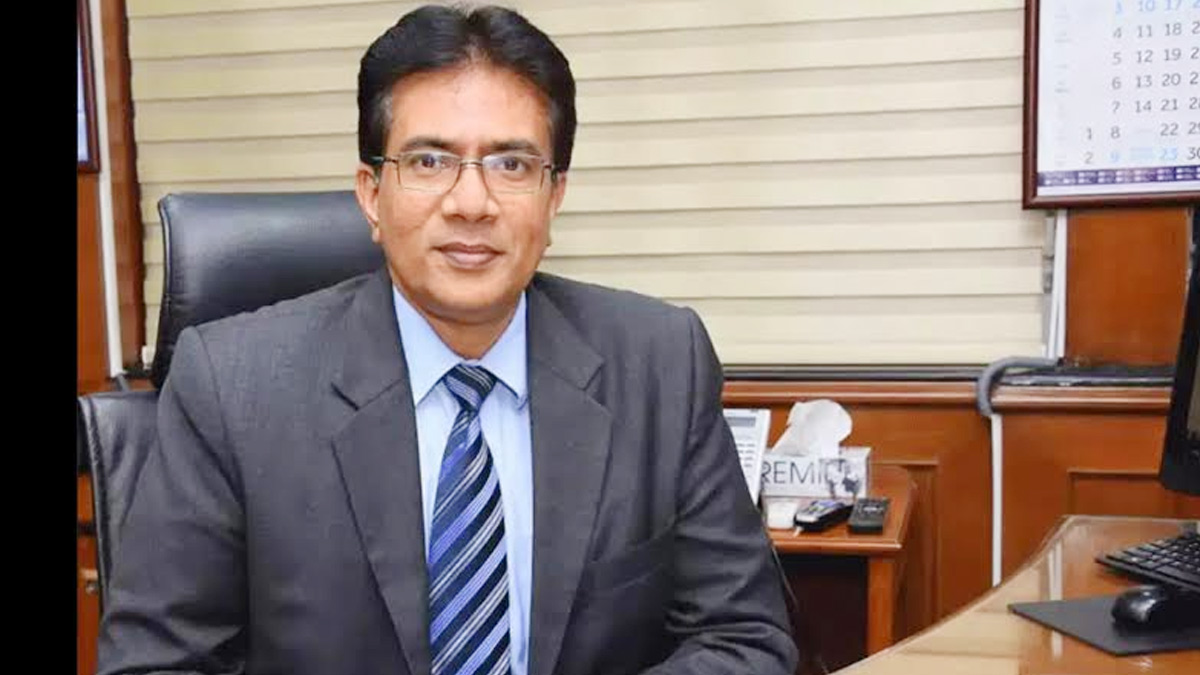
MUMBAI: YES Bank is done rebuilding. Now it wants to grow. The private sector lender has appointed Vinay Muralidhar Tonse as managing director and chief executive officer-designate, with RBI approval secured and a start date of April 6, 2026 confirmed. The three-year term signals the bank’s intent to shift gears from crisis recovery to full-throttle expansion.
Tonse, 60, is no stranger to scale. Most recently managing director at State Bank of India, he oversaw a retail book of roughly $800bn in deposits and advances, one of the largest in the country. Before that, he ran SBI Mutual Fund from August 2020 to December 2022, a stint that saw assets under management surge from Rs 4.32 lakh crore to Rs 7.32 lakh crore across market cycles. Add stints in Singapore and four years leading SBI’s overseas operations in Osaka, and the incoming chief arrives with a genuinely global CV.
His academic grounding is equally solid: a commerce degree from St Joseph’s College of Commerce, Bengaluru, and a master’s in commerce from Bangalore University.

The appointment follows an extensive search and evaluation process by the bank’s Nomination and Remuneration Committee. NRC chairperson Nandita Gurjar said the committee unanimously backed Tonse, citing his leadership track record, governance credentials and ability to drive the bank’s next phase of transformation.
Non-executive chairman Rama Subramaniam Gandhi was unequivocal. “I am certain that Vinay Tonse, with his vast experience as a senior banker, will propel YES Bank to its next phase of growth,” Gandhi said, adding that the bank remains focused on strengthening its retail and corporate banking franchises and expanding its branch network.
Rajeev Kannan, non-executive director and senior executive at Sumitomo Mitsui Banking Corporation, the bank’s largest shareholder, said Tonse’s experience across retail, corporate banking, global markets and asset management positioned him well to lead the lender. SMBC said it looks forward to working with Tonse and the board as YES Bank pursues its ambition of becoming a top-tier private sector lender anchored in strong governance and sustainable growth.
Tonse succeeds Prashant Kumar, who took the helm in March 2020 when YES Bank was in freefall following a severe financial crisis, and spent six years painstakingly stabilising the institution, rebuilding governance and restoring operational scale. Gandhi was generous: “The bank remains indebted to Prashant Kumar, who is responsible for much of what a strong financial powerhouse YES Bank is today.”
Tonse, for his part, struck a purposeful note. “Together with the board and my colleagues, I remain deeply committed to creating long-term value for all our stakeholders,” he said, pledging to build on Kumar’s foundation guided by his personal motto: Make A Difference.
Beyond the balance sheet, Tonse played cricket at college and club level and represented Karnataka in archery at the national championships — sports he credits with teaching him teamwork, situational leadership, discipline and focus. In quieter moments, he reaches for retro Kannada music, classic Hindi songs, and the crooning of Engelbert Humperdinck, Mukesh and Kishore Kumar.
YES Bank has its steady-handed rebuilder in Kumar to thank for survival. Now it has a scale-obsessed growth banker at the wheel. The next chapter starts April 6.