MAM
Jump signs PR contract with online video technology provider switch media


MUMBAI: Jump, a B2B communications agency that provides bespoke PR, marketing and creative services to technology companies across the professional video industries, has secured a contract for PR representation of Switch Media in EMEA, Asia, Australia and New Zealand.
Switch Media, which was founded in Australia in 2007 as a home office start-up, has grown into a leader in video technology with more than 100 staff across APAC, Europe, Africa and North America and a significant year on year revenue growth since inception. In February 2019, Switch Media acquired Swedish-based media systems integration consultancy, Mediasmiths AB, as part of its growth plans for the European market.
“We first met Jump a few years ago and worked with them to generate some buzz around our MediaHQ product suite launch at NAB Show in Las Vegas this year. We were impressed by their knowledge, enthusiasm and traction with the media industry. We are looking forward to working with the team and further extending our PR reach in these territories with a specific focus on Europe, where we now have a strong presence we would like to elevate,” says Suzanne Levy, Head of Marketing, Switch Media.

Kate Ford, Jump adds, “Switch Media is an exciting company with first-class technology that enables media companies to deliver complex online video. In addition to Switch Media’s market leading Server-Side Ad Insertion product AdEase, we are excited with the interest in new product suite, MediaHQ. We feel well positioned to take Switch Media’s PR promotion to the next level. ”

MAM
Beacon Group appoints Dr Rajesh Patel as Group CEO
36-year healthcare veteran to lead Beacon Diagnostics, Vector Biotek, Biogeny.
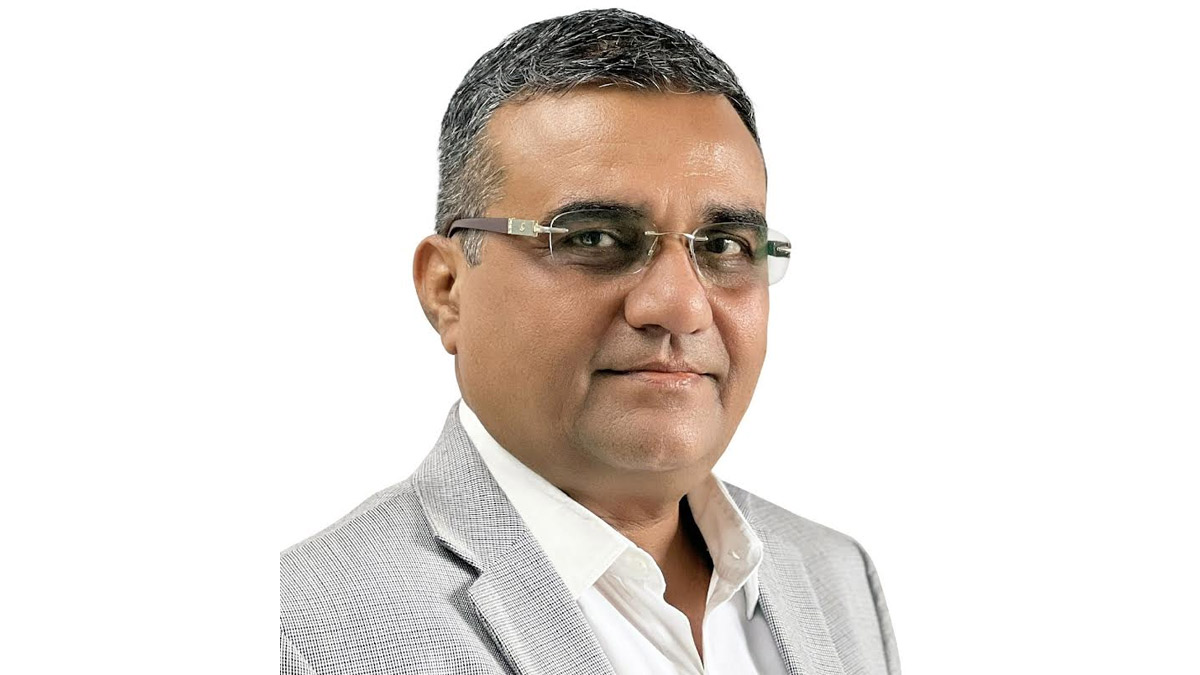
MUMBAI: A new chief, a fresh diagnosis and a sharper prescription for growth. Beacon Group has appointed Dr Rajesh Patel as its Group Chief Executive Officer, effective April 1, 2026, signalling a decisive push to scale its presence in the diagnostics and IVD space. Patel steps into the role with 36 years of experience across the healthcare and diagnostics industry, bringing a career shaped by leadership roles spanning sales, marketing, business development and operational strategy. His mandate is both expansive and precise: to steer the group’s overall strategic direction while tightening coordination across its three core entities Beacon Diagnostics, Vector Biotek and Biogeny Diagnostics.
In practical terms, that means driving cross-company synergies, accelerating market expansion and strengthening organisational capability areas increasingly critical as diagnostic players compete for scale in a fragmented yet rapidly evolving healthcare ecosystem. The group is positioning itself to capture unmet demand across chain laboratories, key accounts and standalone labs, segments that remain underserved despite growing diagnostic needs.
The appointment comes at a time when the In Vitro Diagnostics (IVD) sector in India is entering a more competitive and innovation-led phase, with companies focusing not just on product pipelines but also on service delivery, integration and customer-centric models. Beacon’s leadership appears to be betting that Patel’s execution-focused approach can help translate ambition into operational momentum.
Welcoming the appointment, Chairman Dr D K Joshi described Patel’s induction as a strategic move aligned with the group’s long-term vision, emphasising the role of leadership depth in navigating the next phase of growth.
For Beacon Group, the message is clear, in a sector where precision matters, leadership is the new differentiator—and this appointment is intended to set the tone for what comes next.






