Brands
Jubiliant Bhartia group develops thirst for Coke’s biggest Indian bottler

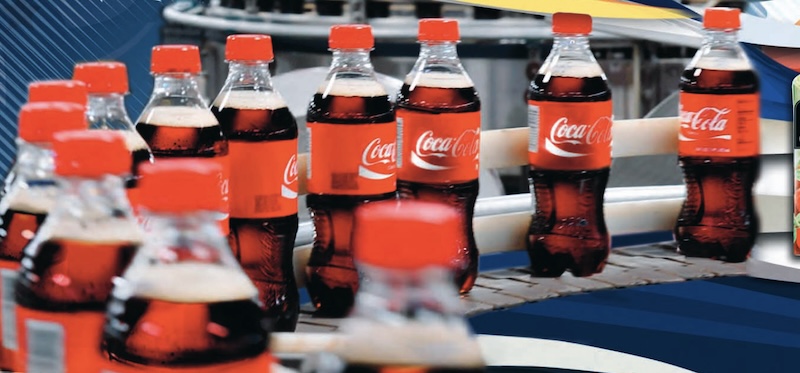
MUMBAI: It’s bottling a major partnership with the famous Bhartia brothers – Shyam and Hari. Atlanta-based The Coca -Cola Co today announced that it has reached an agreement with the multibillion dollar, well- diversified Jubilant Bhartia group to acquire a 40 per cent stake in Hindustan Coca -Cola Holdings (HCCH).
HCCH is the parent company of the largest Coca -Cola bottler in India, Hindustan Coca -Cola Beverages (HCCB) which primarily has a presence in the south and west of India.
“The Jubilant Bhartia group will bring invaluable experience and insights to our business as we continue to grow our presence in India,” said The Coca- Cola Co president of international development Henrique Braun. “Jubilant Bhartia Group brings a track record of building and growing consumer and other businesses in India with international partners. They are also committed to investing in the communities they serve.”

The Coca -Cola Co’s locally-owned franchise partners in India are positioned to drive successful outcomes. The investment by the Jubilant Bhartia Group family will contribute to the company’s ongoing success and help strengthen its position in the Indian market, added The Coca-Cola Co in a press statement.
Jubilant Bhartia group founder & chairman Shyam S. Bhartia and founder & co-chairman Hari S. Bhartia said the investment is an ideal addition to their business. They have a fortune estimated at about $.4.5 billion according to Forbes. The group has a presence in fast food, pharma, energy and auto distribution. Group company Jubiliant Foodworks operates the Dominos Pizza, Dunkin Donuts and Popeye’s franchises in India.
“The Coca- Cola Co is home to some of the most respected global brands and we are delighted to be associated with them,” Bhartia said. “Together, we will leverage opportunities to grow the business to greater heights and ensure more Indian consumers can enjoy The Coca Cola Co’s refreshing portfolio of iconic local and international brands.”
Because the brothers have non-disclosure agreements with the beverage giant, the Bhartias were loath to reveal any details of the scale of investment the deal entailed, but market guesstimates are that it is at around Rs 12,500 crore, with HCCB being valued at Rs 31,250 crore.
The Coca -Cola India president & southwest Asia operating unit head Sanket Ray said. “We welcome the Jubilant Bhartia group to the Coca -Cola system in India. With its diverse experience in various sectors, Jubilant brings decades of rich experience that will help accelerate the Coca -Cola system, enabling us to win in the market and provide greater value to local communities and consumers.”
The transaction is subject to regulatory approval. Rothschild & Co acted as exclusive financial adviser to The Coca -Cola Co while Morgan Stanley was the advisor for the Jubiliant Bhartia group







Brands
Akoirah rolls out Diamond Draw campaign across cities for Akshaya Tritiya
Festive offer blends discounts with prize draws to boost jewellery shopping buzz

MUMBAI: Akoirah has launched a festive ‘Diamond Draw’ campaign across Mumbai, Navi Mumbai and Pune, aiming to add a dash of excitement to jewellery shopping ahead of Akshaya Tritiya.
Running from April 6 to 19, the limited-period initiative offers customers a chance to win diamond jewellery worth Rs 1.5 lakh with every eligible purchase. Winners will be announced in-store, with one winner selected per outlet, turning a traditional shopping ritual into a more interactive experience.
Alongside the draw, the brand is also offering a flat 20 per cent discount on diamond value during the campaign period, positioning the offer as both celebratory and value-driven.
The move reflects a broader shift in festive retail strategies, where brands are looking beyond straightforward discounts to create more engaging, experience-led campaigns. By linking each purchase to a unique entry in a store-specific draw, the campaign aims to keep participation simple while ensuring fairness across locations.
Speaking on the initiative, Akoirah founder Namita Kothari said the idea was to make festive buying more meaningful and rewarding. She noted that while Akshaya Tritiya remains deeply rooted in tradition, customers today are increasingly seeking memorable shopping experiences alongside value.
The campaign also taps into evolving consumer preferences, with buyers leaning towards lighter, design-led jewellery rather than purely weight-based purchases. This shift has encouraged brands to combine product appeal with experiential elements to drive footfall and engagement.
Backed by digital promotions and in-store activations, the Diamond Draw campaign is expected to build momentum during the festive window. As competition intensifies around key buying occasions, initiatives like these underline how jewellery brands are reimagining the retail experience to keep customers coming back for more than just the sparkle.







