Brands
JioStar absorbs IndiaCast to streamline distribution
Merger creates one-stop hub for content, digital, and delivery


MUMBAI: In a move that proves JioStar isn’t just playing for the screen but for the entire stadium, the media behemoth has announced it is officially folding its distribution wing, IndiaCast, into the main mothership.
After the dust settled on the colossal Reliance-Disney marriage, the house that Mukesh built is tidying up the furniture. By absorbing IndiaCast, JioStar is effectively cutting out the middleman by becoming its own delivery boy.
IndiaCast has long handled the distribution of channel packs like Colors and MTV to cable and DTH operators. Now, instead of working as a separate company, it will be fully merged into its parent, JioStar.

The strategy is simple: less paperwork and more control. By merging under a fast-track scheme, the company is removing extra legal steps and administrative work that come with running two separate entities.
For viewers, the change may not be immediately visible, but behind the scenes it creates a one-stop shop for Indian entertainment. JioStar now controls the entire chain: it owns the content through channels like Star Plus and Colors, the digital platform through JioHotstar, and the distribution pipeline after absorbing IndiaCast, bringing everything under one roof.
According to regulatory filings, the merger is retrospective, dating back to April 2025. IndiaCast will eventually be dissolved without the messy drama of a formal winding-up. For the employees and assets, it is a same desk, different letterhead situation as everything transfers to the JioStar banner.
It is a classic bit of corporate housekeeping that ensures the new media kingpin is lean, mean, and ready to dominate your living room.





Brands
RPSG’s Sudhir Langer exits days before IPL 2026
Timing sharpens focus on stake sale buzz and LSG’s tightening financial playbook
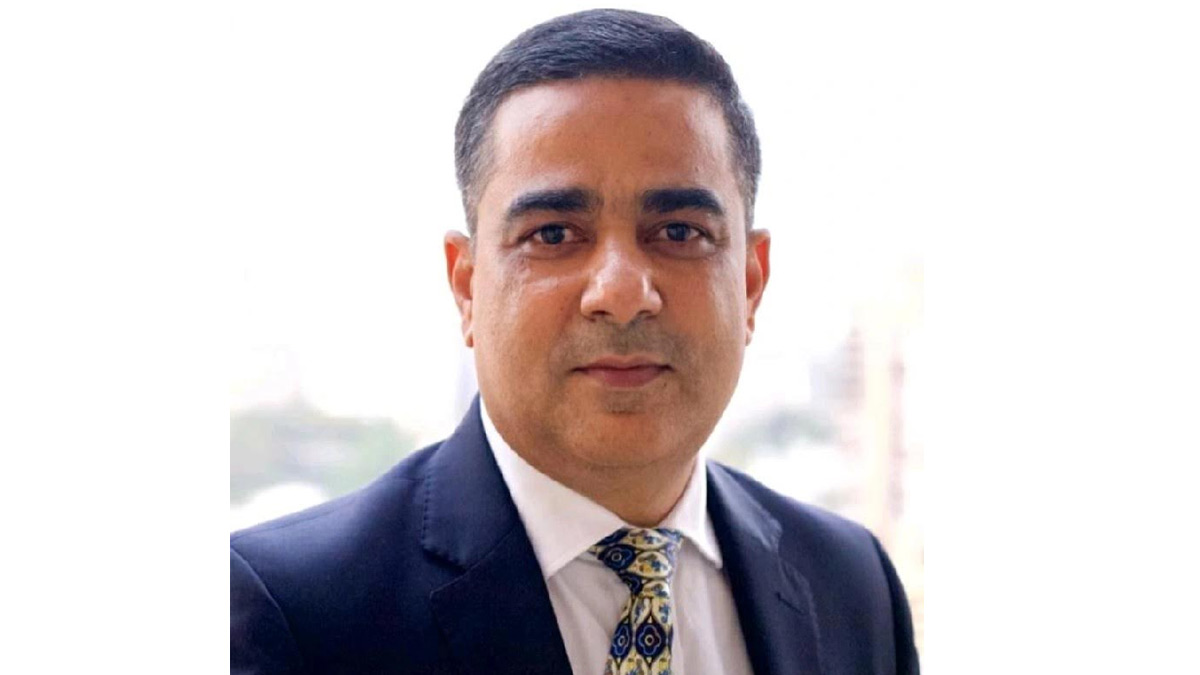
MUMBAI: RPSG ( RP-Sanjiv Goenka) Ventures has sprung a late leadership surprise just as the IPL drumroll begins. Sudhir Langer will step down as whole-time director and from the board effective March 31, days after the 2026 Indian Premier League season kicks off on March 28.
The timing is hard to ignore. RPSG Ventures owns Lucknow Super Giants, and Langer’s exit lands in a narrow pre-tournament window when operational focus is typically at its peak.
The move also coincides with chatter around a potential stake sale. According to a Moneycontrol report, the RPSG Group, led by Sanjiv Goenka, is exploring options to offload up to a 15 per cent stake in the franchise. There has been no official confirmation.
RPSG had acquired the Lucknow franchise in November 2021 for Rs 7,090 crore, among the highest bids in IPL history. The team operates under RPSG Sports Private Limited and carries a sizeable annual franchise fee obligation of Rs 709 crore through FY31.
Financials underline both scale and strain. The franchise remains heavily reliant on central revenue distribution from the Board of Control for Cricket in India. In H1 FY26, it received Rs 399 crore as its share of franchise rights, compared with Rs 458 crore in FY25, the single largest contributor to income.
Total revenue for H1 FY26 stood at Rs 495.9 crore, with profit at Rs 63.7 crore. Yet FY25 saw a softer showing: revenue fell about 20 per cent to Rs 557 crore, weighed down by fewer matches and a lower league finish in the 2024 season. Growth has since been modest, with H1 FY26 revenue rising roughly 3 per cent year on year.
That leaves LSG balancing on a familiar IPL tightrope: strong central inflows, volatile on-field-linked earnings and a hefty fixed fee burden.
With a leadership exit, stake-sale speculation and a new season about to begin, Goenka’s cricket bet is entering a decisive phase—where timing, performance and capital strategy will all have to click.








