Brands
ITC’s diversification strategy gains traction as profits climb to record highs

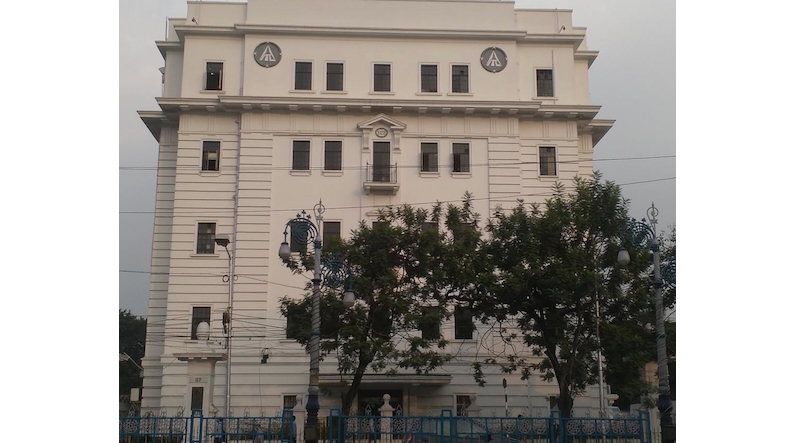
KOLKATA: ITC, India’s Rs 1.25 lakh crore conglomerate, demonstrated the resilience of its multi-business model in the quarter ended 30th September 2025, posting net profit from continuing operations of Rs 5,179.82 crore—up 4.1 per cent—as its diversification investments continue to mature. For the half year, profit surged three per cent to Rs 10,092.18 crore, underscoring the momentum building across its portfolio.
The numbers reveal a company hitting its stride. Cigarettes, the engine that funds ITC’s expansion ambitions, delivered robust 6.7 per cent revenue growth to Rs 8,722.83 crore, with segment profit reaching Rs 5,240.66 crore. This performance, achieved despite elevated taxation, provides the cash flow for the group’s ambitious forays into branded foods, personal care and digital ventures.
More importantly, ITC’s strategic investments in FMCG are showing tangible progress. The other FMCG businesses—spanning Aashirvaad staples, Bingo snacks, Sunfeast biscuits and personal care products—grew revenue 6.9 per cent to Rs 5,964.44 crore. Whilst brand-building costs continue to weigh on near-term margins, EBITDA for this segment improved to Rs 594.08 crore. Management’s patient capital approach is paying dividends as these brands gain market share in India’s vast consumption economy.

The paperboards division, a testament to ITC’s manufacturing prowess, grew revenue 5 per cent to Rs 2,219.92 crore with healthy margins. The agri business, though affected by seasonal commodity price volatility, remains a critical link in ITC’s farm-to-fork value chain.
On a consolidated basis—reflecting the group’s expanding footprint through subsidiaries including ITC Infotech and new acquisitions like Sresta Natural Bioproducts—the picture brightens further. Revenue stood at Rs 21,255.86 crore whilst profit climbed 4.2 per cent to Rs 5,186.55 crore. For the half year, consolidated profit jumped 4.6 per cent to Rs 10,529.96 crore, with earnings per share at Rs 8.28.
The company’s balance sheet remains fortress-like, with total assets of Rs 90,802.66 crore and negligible debt. Cash generation remained strong, with operating activities throwing off Rs 5,782.15 crore in the half year, funding both dividends of Rs 9,823.58 crore and continued capital expenditure of Rs 1,006.71 crore.
The board’s decision to appoint Amitabh Kant, architect of India’s economic reforms as former Niti Aayog chief, as an independent director signals ambitions for the next phase of growth. The reappointment of Hemant Malik as wholetime director ensures continuity in execution.
ITC’s transformation from a cigarette company into a diversified consumer powerhouse is well underway. With market-leading positions emerging in multiple FMCG categories, a robust pipeline of innovation, and the financial muscle to sustain long-term investments, the company is positioning itself to capture India’s consumption boom. The patience investors have shown may soon be rewarded as scale benefits begin to flow through.






Brands
IndiGo names William Walsh CEO
Former IATA chief to take charge in August after Elbers exit, Bhatia steers interim
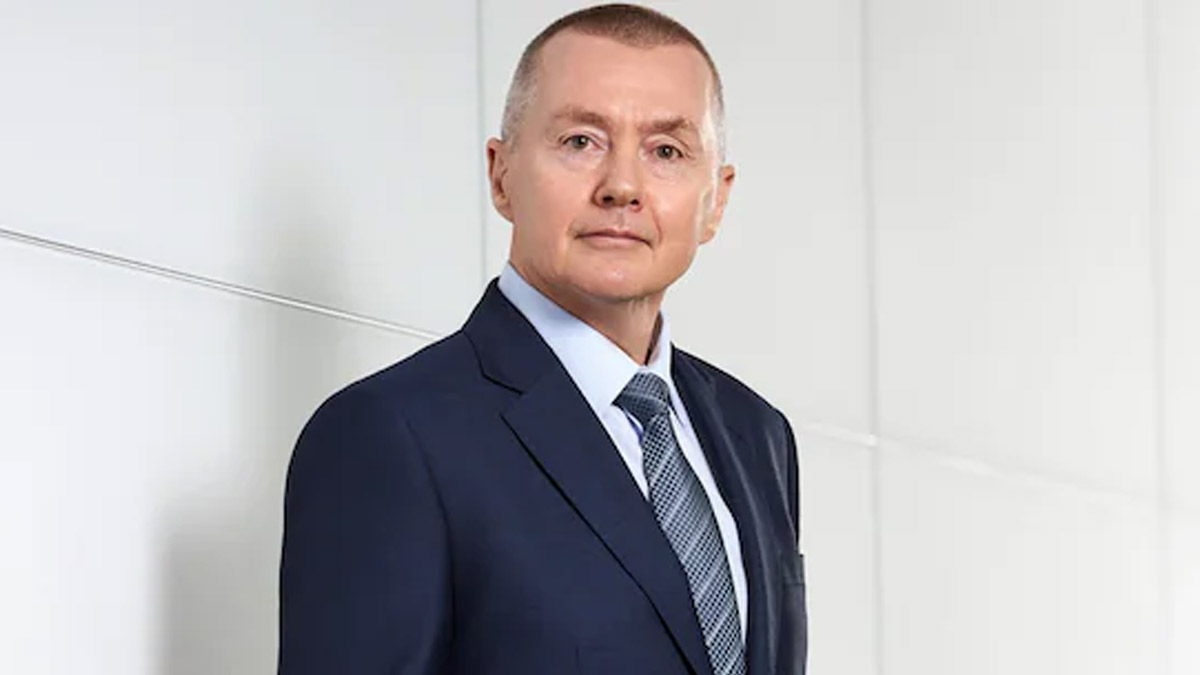
India’s biggest airline has moved fast and gone global. InterGlobe Aviation, which operates IndiGo, has tapped aviation heavyweight William Walsh as chief executive officer, subject to regulatory approvals, marking a sharp pivot as the carrier eyes its next burst of expansion.
Walsh, currently director general at the International Air Transport Association, will step down on July 31, 2026, and is expected to take charge by August 3. The appointment comes barely three weeks after Pieter Elbers exited the corner office, with Rahul Bhatia holding the fort in the interim.
The choice signals intent. Walsh brings decades of cockpit-to-boardroom experience, having led British Airways and later International Airlines Group, the parent of Aer Lingus, Iberia and Vueling. His tenure across carriers has been defined by hard resets, restructurings and cross-border consolidation—skills IndiGo may need as competition intensifies and scale becomes decisive.
Vikram Singh Mehta, chairman and non-executive independent director of IndiGo, said Walsh’s experience in managing large-scale airline operations and navigating complex market dynamics makes him well-suited to lead IndiGo in an increasingly competitive global aviation environment, adding that the appointment marks a new chapter as the airline scales in one of the world’s fastest-growing markets.
Rahul Bhatia said Walsh’s global perspective, operational expertise and customer-focused approach would be critical as IndiGo enters its next phase of expansion.
Walsh, widely regarded as one of the industry’s most influential figures, will oversee overall management and strategic direction, with a mandate spanning operational performance, network expansion, commercial strategy and customer experience. He is expected to work closely with the board and leadership team to sharpen IndiGo’s growth trajectory.
Walsh said IndiGo has a strong foundation and is well-positioned to capitalise on the evolving aviation landscape, adding that he looks forward to fostering a culture of excellence, innovation and sustainable value creation across the organisation.
A new captain, a bigger runway—and a market that rewards scale. IndiGo is lining up for its next take-off.









