MAM
Ipsos India in overdrive with Mystery Shoppers


MUMBAI: Barely two months since Ipsos launched Mystery Shopping in India, apart from marketers who are capitalizing on the opportunity for securing unbiased feedback from customers to improve products and services, there is also an interesting opportunity emerging from the consumer’s standpoint. The opportunity to experience products and services at first hand, to evaluate every aspect of their experience and instead of sharing on social media for free, to get paid for their honest feedback.
These customers, who are referred to as Mystery Shoppers are redefining the ecosystem.
“Ipsos Mystery Shopping has received an encouraging response to its social media campaigns inviting consumers to become mystery shoppers. Consumers have shown a lot of excitement as there is a whole lot of flexibility in taking up assignments – over weekends or when they have time – and the feedback can be provided in the dedicated iShop app, anywhere and anytime, “says Sonul Verdia, Executive Director, Ipsos Mystery Shopping.
“We are in the process of setting up a huge panel of enthusiastic shoppers who will be keen to share their experience with us and get paid for their effort,” Verdia said.

So, what are the attributes ofmystery shoppers?
Verdia insists that there are no special attributes per se:“Our panel of mystery shoppers has students, housewives, working women, executives, government employees, even retired people – anyone aged 18-70 years can sign up – they only need to be avid, discerning shoppers.”
For enthusiasts to sign up, Ipsos India has created a unique hyperlink:
https://www.ishopforipsos.com/en_IN/
“Ipsos Mystery Shopping is primarily focusing on high involvement categories like Automotive, Consumer Durables, Banking, Organized Retailing, Hospitality, among others, for now.”



MAM
PwC India announces leadership change in Deals practice
Shashank Jain steps down as co-leader after nearly three decades with the firm.

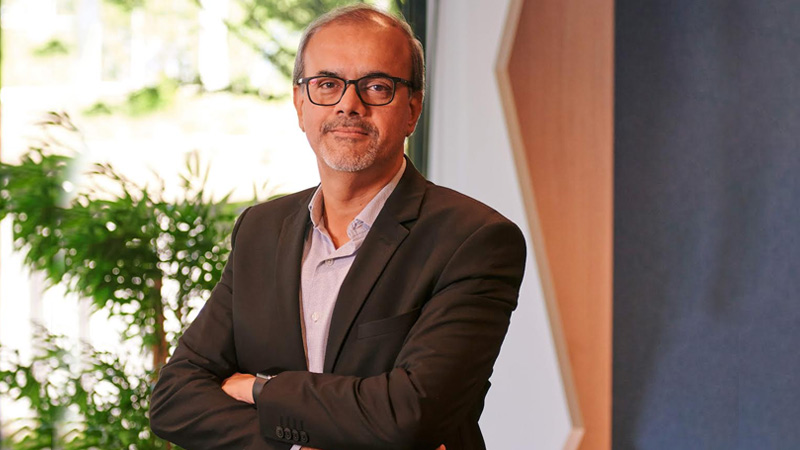
MUMBAI: When one dealmaker steps off the pitch, another is ready to take the baton because in the fast-moving world of transactions, the game never really stops. PwC India has announced a leadership transition in its Deals practice, with Shashank Jain stepping down from his role as co-leader to pursue an opportunity in the industry. The practice will continue to be led by Mohit Chopra, ensuring continuity and sustained growth momentum.
PwC India partner and leader for advisory dinesh Arora paid tribute to Jain’s contributions. “We deeply appreciate the significant contributions made by Shashank over close to three decades he has spent with PwC, particularly his defining role in shaping and strengthening our Transaction Services practice in India,” he said. Arora highlighted Jain’s support for clients through some of the most complex and significant transactions in the Indian market, noting his deep technical expertise, sound judgment and nuanced understanding of the evolving M&A landscape.
The Deals practice remains a key growth driver for PwC India, and the firm expects continued expansion under Mohit Chopra’s leadership. He will continue to guide clients through complex transactions and transformational business moments, building on the strong foundation established over the years.
Reflecting on his journey, Shashank Jain said, “I have had an exceptional journey at PwC. I owe my growth and learning to the nurturing environment and leadership development that PwC provided.” He added that he had been working closely with Mohit and the larger team to ensure a smooth transition and expressed confidence that Chopra would take the Deals practice to newer heights.
From intern to respected deals leader, Shashank Jain has clearly closed many successful transactions and now, it seems, he’s ready to strike a new deal of his own.