MAM
IOA study to track effectiveness of advertising, marketing, e-commerce

MUMBAI: The Internet and Online Association (IOA) has undertaken a research study, which will provide extensive data to prove the effectiveness of advertising, marketing and e-commerce using the Internet and mobile as mediums.
The research has been awarded to IMRB. Backed by this customised primary research IMRB will help IOA develop, extend and promote integrated business strategies across online and emerging channels thus helping it’s members and industry address challenges as they arise, delivering insight to succeed in this dynamic economy.
The research is to be conducted in two phases:
Pre-research study, which will help them garner what the industry requires as research in the online advertising, e-commerce and mobile advertising segments. Before the baseline study is embarked on, a senior management research will be conducted to determine what exactly the market wants distilled in this study. The pre-research study is slated to be a qualitative study delivered by 1-1 in-depth dialogs with the senior management of marketers, advertising agencies and service providers. Based on the pre-research assessment, the final baseline research will be commenced in 24-36 cities and towns.
The Indian Internet consumer and cross media research study aims at delivering a quantitative and a qualitative study which will cover: (a) Demographics details across multiple audience groups across 26 cities – Till date not a single study exists that has taken into account net population beyond metro cities. (b) Media consumption habits vis-a-vis television and press – IOA considers the result of this research to be extremely valuable to its members and the industry at large; as it will demonstrate that the Internet can dramatically improve a marketing and sales ROI if it is a significant part of the overall media mix.
IOA president Preeti Desai said, “In today’s economy there is no greater imperative than to maximise marketing monies online. It is crucial that the Internet and Online Association give the right data tools to marketers, media planners, buyers and businesses which will unequivocally help them make educated decisions and thus increasingly cater to the connected Indians whether online or mobile. The pre-research will provide an in-depth view of market needs across all sectors and categories and hence enable us to customise research as required by the industry. The Indian Internet consumer and cross media research study after the pre-research will provide compelling proof to what all our members believe in – “Same Budget, Better Results.”
IMRB eTechnology VP and country manager Mohan Krishnan said, “The growing impact of digital media is revolutionising the media industry worldwide and in the context of the ever evolving global village, India will feel the impact much earlier than what most of us are willing to wager. The study we are conducting for IOA assumes significance in this context, as it will arm players in this industry with sophisticated and unbiased tools to monitor and evaluate their respective roles. We are very excited to be part of the larger movement towards establishing standards suited to the specific needs of this country. Prior to undertaking this consumer study, we are aiming to understand the needs of various digital media players in the market so as to take into account their needs and concerns. The results of the needs study will be out by end March 2005.”
Mediaturf COO sub-committee research member Ratish Nair said, “For a large number of advertisers, especially in the financial sector, the importance of Internet as a medium is a foregone conclusion. They use a variety of advanced metrics, which have convinced them of the power of the online medium. While there is complete transparency in the metrics for online advertising, some sectors feel there is a need to have sample based research as exists in the offline space and hence need some common measurement tools. There are a lot of questions, which in their opinion tend to be unanswered inspite of various metrics, since there is no syndicated study. Hence, we believe it is important to do a syndicated study after getting an opinion from marketers and advertisers as to what the gaps are as they feel need to be covered and hence the pre-research study. This is a step in the direction of fulfilling client expectations from the medium in more ways than one.”

Starcom Worldwide India-West and South managing director Ravi Kiran said, “Serious Internet users will keenly await the findings of the pre-research. There may be quite a few surprises in store for us. Even more importantly, the final research, we believe, will open a few eyes and may shock the cynics.”
mOne Worldwide national director Tushar Vyas said, “The lack of research support to evaluate the medium has resulted in limited acceptance of the medium in many of the categories. A syndicated study is definitely a step in the right direction to provide the much-needed science to the art of online media planning. This study will also help evaluate the Internet as a medium in its rightful perspective and demonstrate its effectiveness.”







MAM
PwC India announces leadership change in Deals practice
Shashank Jain steps down as co-leader after nearly three decades with the firm.
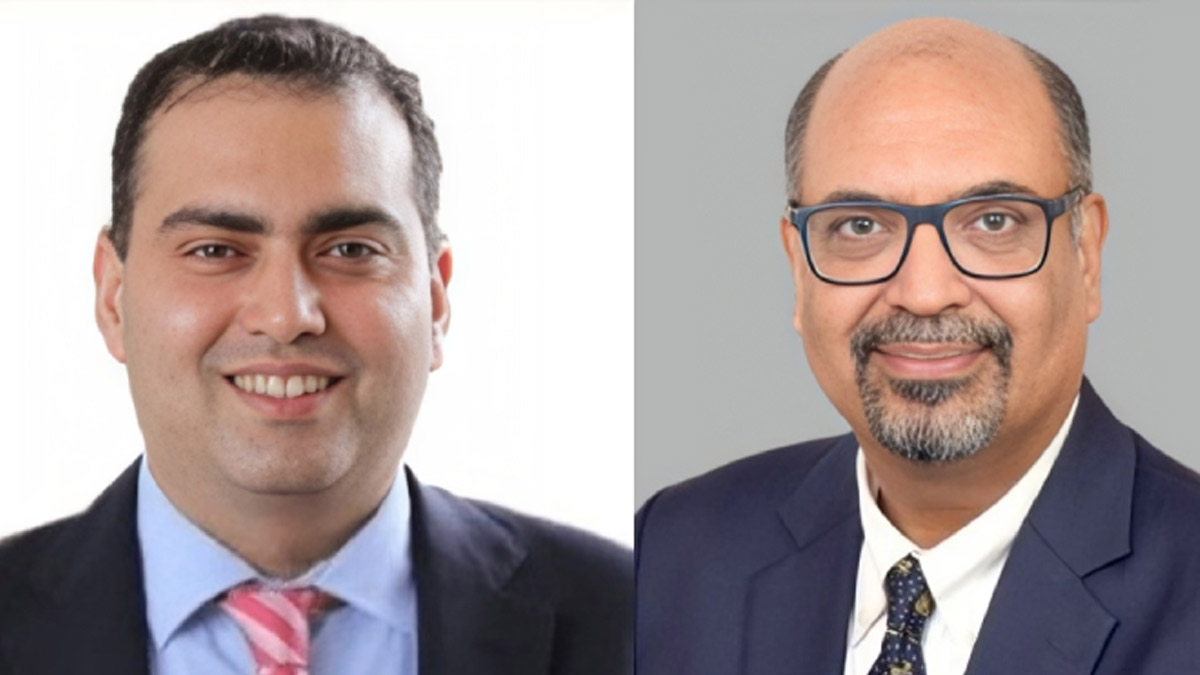
MUMBAI: When one dealmaker steps off the pitch, another is ready to take the baton because in the fast-moving world of transactions, the game never really stops. PwC India has announced a leadership transition in its Deals practice, with Shashank Jain stepping down from his role as co-leader to pursue an opportunity in the industry. The practice will continue to be led by Mohit Chopra, ensuring continuity and sustained growth momentum.
PwC India partner and leader for advisory dinesh Arora paid tribute to Jain’s contributions. “We deeply appreciate the significant contributions made by Shashank over close to three decades he has spent with PwC, particularly his defining role in shaping and strengthening our Transaction Services practice in India,” he said. Arora highlighted Jain’s support for clients through some of the most complex and significant transactions in the Indian market, noting his deep technical expertise, sound judgment and nuanced understanding of the evolving M&A landscape.
The Deals practice remains a key growth driver for PwC India, and the firm expects continued expansion under Mohit Chopra’s leadership. He will continue to guide clients through complex transactions and transformational business moments, building on the strong foundation established over the years.
Reflecting on his journey, Shashank Jain said, “I have had an exceptional journey at PwC. I owe my growth and learning to the nurturing environment and leadership development that PwC provided.” He added that he had been working closely with Mohit and the larger team to ensure a smooth transition and expressed confidence that Chopra would take the Deals practice to newer heights.
From intern to respected deals leader, Shashank Jain has clearly closed many successful transactions and now, it seems, he’s ready to strike a new deal of his own.