MAM
Interactive Television’s CAM auditing cinemas


MUMBAI: The highly competitive market has created new venues for marketers to advertise their products and reach out to their audiences.
With multiplexes mushrooming in every nook and corner of the country, cinema halls are providing ample space for advertisers. And to give a fair view to marketers if the money is well spent or not, Interactive Television, a part of WPP group, has released Cinema Audit Monitoring Report, which gives comparative analysis of cinema advertising and movie marketing throughout the country.

Interactive Television’s proprietary tool CAM claims to be a game changer for brands investing in cinema advertising in India. “The results of the monthly audit will help our existing and potential clients recognise the growth opportunities for their brands whilst choosing cinema as an advertising medium. With this audit, we aim to provide transparency and visibility to our set of clients to assist them in result oriented media planning and buying. It is a key differentiator for our existing and potential clients,” says Interactive Television CEO Ajay Mehta.
The report captures all the brand ads screened before the movie and during the interval. It also includes the order in which they are played. The analysis helps brands monitor if their ad was played on cinema or not and also to understand their presence in market in comparison with its competitors. The report provides useful insights for cinema media planning and buying similar to what exists for TV, print and radio.
Two hundred premium multiplexes like PVR, Big Cinema, Cinemax, Inox, Fame, Fun, DT, SPI and Wave Cinemas are audited in Delhi & NCR, Mumbai, Chennai, Kolkata, Bangalore, Hyderabad, Ahmedabad and Pune. The monitoring is carried out in collaboration with IPSOS-MEDIA CT, and only shows between 12 noon and 8 pm are audited.
The category with maximum spots is of course food and beverages followed by beauty and personal care. Chocon featuring Katrina Kaif is the top most brand to be advertised.
When asked how does it benefit the industry? Mehta says, “People in media have long recognised the power of cinema advertising but lack of measurement and accountability reduced cinema ads potential. As a result, clients always question the measurability and ROI of the medium. As a solution to this problem ITV launched Cinema Audit Monitoring (CAM), a proprietary tool in 2013 to ensure transparency in the audit of cinema advertising. The monitoring is carried out in top eight cities, which contribute to approximately 60 per cent of the cinema ADEX in a given week. The main objective of CAM is to provide a study that will quantify the reach and impact of advertising in cinema. From consumer point of view, we conduct exit interviews among cinemagoers to understand the recall of brands active on cinema.”







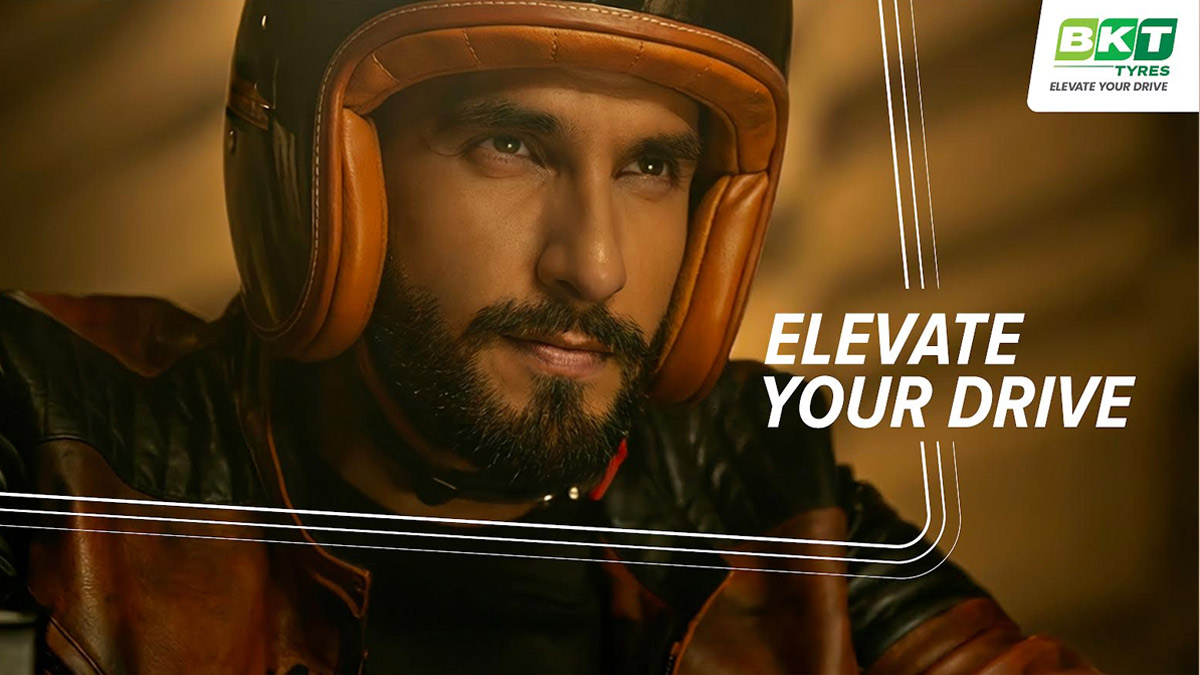
MUMBAI: BKT Tyres has decided to roll into the two-wheeler world with some serious jurrat and it’s brought Ranveer Singh along for the ride. The off-highway tyre specialist has unveiled its new campaign, ‘Jurrat’, marking a strategic push into India’s massive two-wheeler segment. The high-energy TV commercial, featuring brand ambassador Ranveer Singh, debuted on 3 April 2026 during the Indian Men’s T20 League 2026.
The campaign revolves around the core belief that true confidence on the road comes from dependable performance beneath you. ‘Jurrat’ (meaning courage) captures the mindset of riders who navigate dynamic and often unpredictable daily commutes with determination. It brings BKT Tyres’ brand philosophy ‘Elevate Your Drive’ into the two-wheeler space by spotlighting three key product benefits: long life, exceptional road grip, and unmatched comfort.
BKT Tyres chief marketing officer for India Mahesh Koppad said, “India’s two-wheeler segment reflects the way the country moves, works, and progresses every day. ‘Jurrat’ highlights how performance-led tyres, engineered for long life, comfort, and grip, enhance the overall riding experience and support uninterrupted progress in everyday life.”
The campaign is being rolled out across television and digital platforms with high-impact placements to ensure maximum reach and engagement.
This launch represents BKT Tyres’ calibrated expansion from its stronghold in off-highway tyres to becoming a more holistic mobility brand, addressing the everyday transportation needs of millions of Indian riders who rely on motorcycles and scooters as their primary mode of transport.
In a segment where confidence is everything, BKT Tyres is betting that a combination of bold celebrity appeal and strong product performance will help it gain serious traction on Indian roads. The campaign signals that the company is ready to move beyond its traditional turf and accelerate in the fast-paced two-wheeler market.






