MAM
Interactive Television: Throwing light at cinema advertising


MUMBAI: In the country where cricket and movies are more than a pastime, for Ajay Mehta films meant more than just a family business.
Brought up in a household of film distributors, Mehta decided to do much more than that for the same industry. “I wanted to do something related but not join the family business and working with advertisers sounded exciting and fun,” he recalls.
Founded in 1996 in New Delhi, Interactive Television, was set up as a marketing agency which provides cinema advertising and marketing services in multiplexes, malls, and shopping chains.

However, the journey wasn’t a smooth one even though he belonged to the film fraternity. “The biggest challenge was to convince people of the medium without any data and in fact the cinema industry still does not offer enough data to advertisers,” says Mehta while adding that in the digital age that is simply unacceptable.
Even though everyone knows that cinema is like a religion in India but without viewership data and demographics, advertisers are investing in the dark, highlights Mehta. To counter this, Cinema Audit Monitoring (CAM) was launched, which according to him was the first step in making the medium transparent and accountable.
Today, working across 9000 screens in India, the company is country’s only integrated entertainment and retail marketing company, releasing CAM report each month, which gives comparative analysis of cinema advertising and movie marketing throughout the country.
Satisfied with the journey so far, Mehta feels that the process of establishing a medium which was not in any major advertisers plans to one which is included in every major plan has been tremendous. “High point have been many, every conversion of a client is a high point especially the non believers, every innovation is a high point as it feels special to create an idea which has not been thought off before, advertising for Indian clients in international markets like the USA, UK and the UAE has been a high point as Indian movies now have a global reach and can offer a platform for clients trying to reach out to the Indian diaspora.”
Seeing the potential, WPP had acquired the company, but it remains an independent company. “They have been fantastic shareholders and we have learnt a lot from them, apart from access to clients, we have learnt a lot on systems, processes, accountability to clients. The business has benefited from the insights which they have brought and we have managed to scale up the business post them coming on board,” informs Mehta.
Started with just three people, the company now employees more than 70 in six cities which helps it to create exclusive packages for its clients. “Our people are our biggest strength and come from diverse backgrounds like cinema chains, media agencies, logistic companies, research agencies and ad sale houses. This is unmatched in the industry and gives us deep understanding of what clients want from their media investments and also gives us insights into how the cinema channel thinks. This ability to understand the entire landscape of cinema advertising is our biggest advantage.” The company has been responsible for immense value adds to promotions for corporates like Samsung, HLL, ITC Foods, Reckitt Benckiser, Vodafone, Star Network, and many more.
On the current market trend, Mehta believes that single screens have a lot of potential for advertisers trying to reach out to the mass market and categories such as FMCG, telecom, BFSI etc can leverage the reach and impact offered by the largest screen in the world i.e. the movie screen. “Digital cinema is an enabler for it and today new content reaches smaller cities on the same day as the Delhis and Mumbais of the world, this means piracy is controlled and newer audiences are embracing cinema. Till today, advertisers found advertising on single screens in small cities logistically difficult but this has changed completely with digital cinema. We think digital cinema will be the growth driver for the whole cinema advertising industry and we at Interactive want to lead this transition,” he pinpoints.
As for the future plans, the agency wants to lead the process of making this medium more transparent and accountable through newer tools and Big Data. “We also think cinema is more than just the screen and is the only medium where one can have a live engagement with the audiences, off screen advertising is still pretty much a virgin territory and we want to ensure that gets its value,” concludes Mehta.






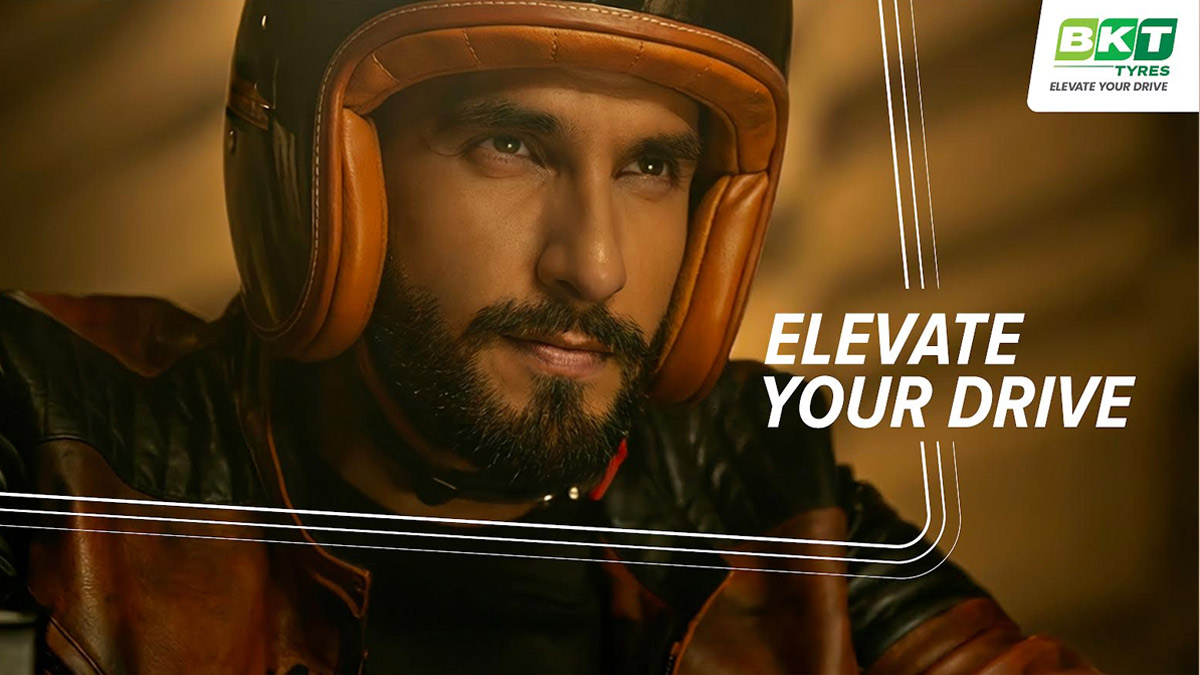
MUMBAI: BKT Tyres has decided to roll into the two-wheeler world with some serious jurrat and it’s brought Ranveer Singh along for the ride. The off-highway tyre specialist has unveiled its new campaign, ‘Jurrat’, marking a strategic push into India’s massive two-wheeler segment. The high-energy TV commercial, featuring brand ambassador Ranveer Singh, debuted on 3 April 2026 during the Indian Men’s T20 League 2026.
The campaign revolves around the core belief that true confidence on the road comes from dependable performance beneath you. ‘Jurrat’ (meaning courage) captures the mindset of riders who navigate dynamic and often unpredictable daily commutes with determination. It brings BKT Tyres’ brand philosophy ‘Elevate Your Drive’ into the two-wheeler space by spotlighting three key product benefits: long life, exceptional road grip, and unmatched comfort.
BKT Tyres chief marketing officer for India Mahesh Koppad said, “India’s two-wheeler segment reflects the way the country moves, works, and progresses every day. ‘Jurrat’ highlights how performance-led tyres, engineered for long life, comfort, and grip, enhance the overall riding experience and support uninterrupted progress in everyday life.”
The campaign is being rolled out across television and digital platforms with high-impact placements to ensure maximum reach and engagement.
This launch represents BKT Tyres’ calibrated expansion from its stronghold in off-highway tyres to becoming a more holistic mobility brand, addressing the everyday transportation needs of millions of Indian riders who rely on motorcycles and scooters as their primary mode of transport.
In a segment where confidence is everything, BKT Tyres is betting that a combination of bold celebrity appeal and strong product performance will help it gain serious traction on Indian roads. The campaign signals that the company is ready to move beyond its traditional turf and accelerate in the fast-paced two-wheeler market.






