Brands
India’s Top 50 brands are worth $92.2 billion: BrandZ report


MUMBAI: On the back of government’s efforts to create a more conducive business environment and brands’ successful response to the rising sense of empowerment among Indian consumers, India’s top 50 brands are now worth $92.2 billion from just under $70 billion in 2014. The finding comes from the second annual BrandZ Top 50 Most Valuable Indian Brands report released by WPP and Millward Brown.
The report also indicates that the total value of India’s strongest brands has risen by a third (33 per cent) over the last year. This is the highest rate of growth achieved by any BrandZ ranking in the 10 years, exceeding that of the Global Top 100 as well as the rankings for China, Latin America and Indonesia.

“The 2015 study shows that India is a market of great opportunities where consumers are feeling empowered, and this is increasingly reflected in their brand choices. The new Modi government is committed to creating an environment in which brands can flourish. Any brand intending to compete in India must gain deep insights into its nuances – such as the need to modernise while respecting the past, and the desire to remain fundamentally Indian,” said WPP’s The Store CEO David Roth.
Millward Brown south Asia managing director Prasun Basu states that even with this growth there is no room for complacence. “The top four had to grow their value by 37 per cent on average to hold on to the same positions as last year, and close to 10 per cent of the brands that made the Top 50 in 2014 have dropped out,” he pointed out.
“To benefit from the continuing rise in consumer confidence and optimism brands need to understand the changing consumer, respond with innovative products and breakthrough communication, and experiment and invest in new media that reflect the spirit of the country today,” he added.
Brands in the financial sector (+49 per cent growth) made the largest contribution to the overall increase in value, but significant lifts were also seen across most other sectors. Home and personal care brands achieved a combined increase of 32 per cent, followed by the auto aftermarket sector (28 per cent), automobile brands (27 per cent) and telecom providers (21 per cent).
52 per cent of the brands in the Top 50 are privately-owned, evidence of India’s entrepreneurial energy. 30 per cent of the brands are owned by multinationals, which have successfully adapted to the needs of Indian consumers, becoming so embedded in their lives that they are perceived as ‘local’.
Key highlights of the 2015 BrandZ Top 50 Most Valuable Indian Brands study are as follows:
. Financial brands dominate: With 13 brands in the Top 50 accounting for 41 per cent of its value the financial sector has built brand strength by making a consistent effort to serve consumers better. Biggest risers: Union Bank of India (no.46, +72 per cent), Punjab National Bank (no.22, +61 per cent) and IndusInd Bank (no.13, +46 per cent).
. Home and personal care brands grew 32 per cent: Thanks to increased disposable income and spending on premium products and investment by marketers across traditional and new media. These 12 brands hold 15 per cent ($13.4 billion) of the ranking’s total brand value. Fastest risers: Lakme (no.44, +69 per cent), Lifebuoy (no.31, +49 per cent) and Colgate (no.26, +44 per cent).
. Brands with a purpose: Indian consumers expect brands to actively participate in building a better society, and those that do have a higher brand value. Examples include Lifebuoy (no.31) and Asian Paints (no.5) .
. The trust factor: In stark contrast with other markets, trust in brands is growing steadily. 33 per cent of Indian consumers say they trust brands. Among the most trusted are jeweller Tanishq (no.21) and Colgate.
. New entrants: Axis Bank, Canara Bank, MRF (tyres) and Royal Enfield are of Indian origin. The three are privately owned, and one is an SOE.
. Disruption is on the horizon – from e-commerce and mobile brands that are building scale and connecting with consumers at a frenetic pace. These are not yet eligible to be ranked in the Top 50 because they are not publicly traded.
. The BrandZ India Top 50 outperforms sensex. It has a weighted index of 30 stocks on the Bombay Stock Exchange, showing how valuable brands deliver superior returns. A stock portfolio comprised the Top 50 increased their share value 18.6 per cent between August 2014 and July 2015, while India’s sensex index increased only 1.5 per cent. The ROI produced by the BrandZ portfolio was over 12 times greater.







Brands
Boeing appoints Barun as head of FP&A for global engineering function
Seasoned finance leader to steer budgets and strategy across global centres
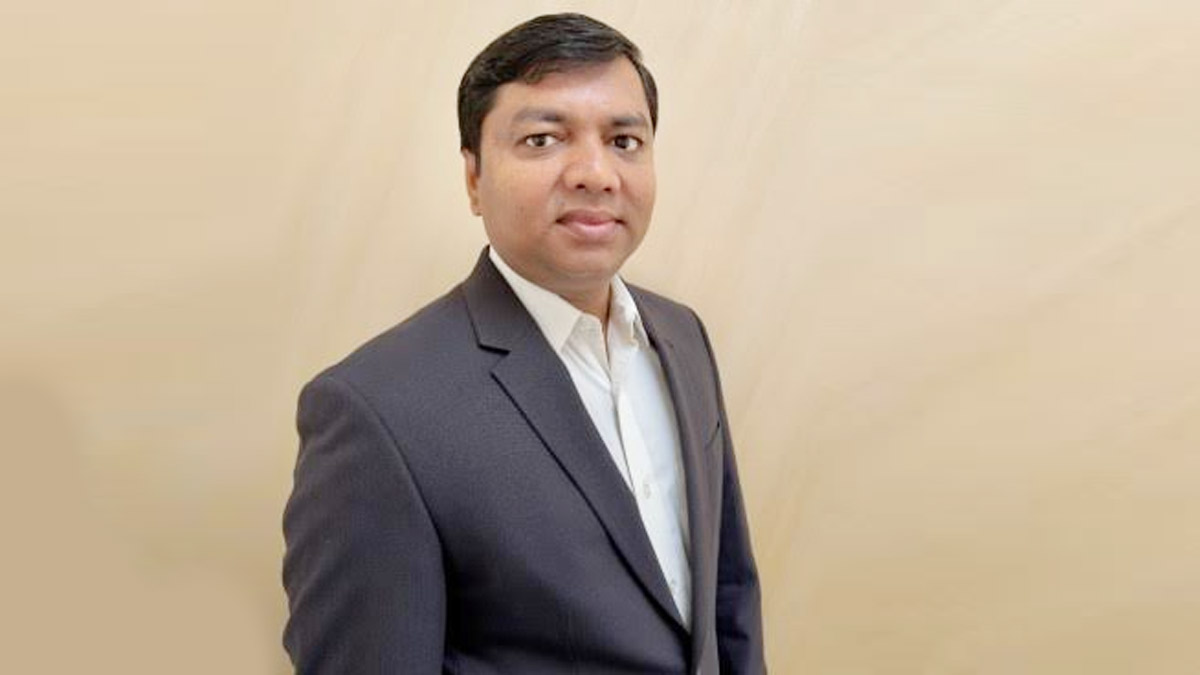
BENGALURU: Boeing’s finance cockpit has a new pilot, and he is no stranger to turbulence or transformation. Boeing has appointed Barun as head of FP&A for global engineering, placing him at the centre of financial strategy for its worldwide engineering and technology operations.
Based in Bengaluru, Barun steps into a role that is as expansive as it is critical. He will serve as the primary finance lead for Boeing’s Engineering and Technology Centers globally, working closely with executive leadership to shape financial decisions, manage complex budgets, and design scalable finance processes that support the company’s growing engineering footprint.
In a note announcing his move Barun said, “I’m excited to share that I’ve joined Boeing Global Engineering. This opportunity is incredibly meaningful to me not just from a professional standpoint, but also for what Boeing represents globally.” He added that he looks forward to contributing to an organisation that continues to shape the future of aerospace and innovation.
Barun’s mandate spans strategic financial leadership, operational oversight, and stakeholder engagement. From directing large-scale budgets and schedules to influencing long-term organisational goals, the role blends financial discipline with business foresight. He will also lead cross-functional teams and partner with finance colleagues worldwide to support engineering programmes across geographies, including India.
The appointment caps a long stint at Juniper Networks, where Barun spent over a decade, most recently as finance senior manager. There, he led FP&A for global product business units and G&A functions, driving budgeting, forecasting, and long-range planning. He also played a key role in enterprise-wide transformation, including spearheading an Oracle to SAP ERP migration and building advanced analytics capabilities using tools such as Tableau and SAP Analytics Cloud.
His earlier career includes finance leadership roles at Sony India Software Centre, Cognizant Technology Solutions, and Mphasis, where he focused on financial planning, governance frameworks, and operational efficiency across global delivery centres.
A chartered accountant from the Institute of Chartered Accountants of India, Barun brings nearly two decades of experience across financial planning, digital transformation, and analytics-led decision making.
His appointment comes at a time when global engineering operations are becoming increasingly complex and distributed, requiring sharper financial oversight and agile planning. With Barun at the helm of FP&A for engineering, Boeing appears to be tightening its financial playbook as it looks to scale innovation with discipline.






