MAM
India’s Olympic feat puts spotlight on ‘moment marketing’ violations by brands


MUMBAI: India recorded its finest performance at the 2020 Tokyo Olympics catapulting several talented sportspersons on the world-stage. As the country revelled in their stunning achievements, the brands also did not lag behind, and made the most of the moment, launching a series of social media posts to leverage the marketing opportunity.
A host of brands bolstered their image online with quirky, fun topical posts around the medallists’ feat, which is commonly referred to as ‘moment marketing’ in advertising parlance.
All was well, until the ace shuttler and bronze-medallist PV Sindhu and her agency Baseline Ventures announced that they are now mulling legal options to take these brands to court, “for using her name and image for their marketing purposes without proper authorisation”. According to media reports, the agency is planning to take as many as 20 brands to court for flouting the rules, and it could be seeking damages of Rs 5 crore from each of the brands.

So where does one draw the line? When does a ‘harmless’ social media post cross the ethical line, to be construed as “infringing upon and unfairly exploiting the brand value of a celebrity” to gain visibility and traction for a brand?
“This shows that the moment marketing is coming of age in India,” said Pulp Strategy founder and MD, Ambika Sharma. “This has happened previously with radio and traditional media, where you cannot mimic the voice of a celeb for your brand jingle. The sanctity of Intellectual property (IP)/ copyright needs to be understood. If they are not your brand ambassadors, then do not use their image.”
According to Clevertize CEO and founder Sagar Nidavani the legal notice was a much-needed wake-up call for the brands and the agencies. “This would not have been an issue if the purpose was only to wish the winners at the Olympics. The issue was that in the name of brand connect we forgot the boundaries. Direct or Indirect usage of image or name of the player suggesting that the personality is endorsing the brand can be considered as crossing the line,” concurs Nidavani.
‘Moment marketing’ can be a tricky territory for brands to explore, and needs to be tackled with the right set of regulations to keep a check on a brand’s intent. However, the flip side to this is that without moment marketing, brands and agencies will miss out on a lot of topical posts which provide quality engagement to the brands and make for quality consumption for the audiences as well, highlighted Monk Entertainment VP, Talent Management, Aayush Tiwari.
Amul is often cited as a successful example, and has also been lauded for its creative take on the ongoing events, which have often gone viral on social media too.
“When Amul does such campaigns, it does it with panache, but without using any direct images. It goes beyond advertising to deliver a message of greater good,” said Tiger Advertising, partner Pantul Kothari, “however, what most other brands do is use sports winners to weave their brand message, and make it more ‘brand centric’ than just celebrating their victory.”
Following Sindhu’s move, several agencies have come out in support of the athlete, and underscored the need to take a stand. “We have to understand that wrongful use of imagery is not morally, ethically and legally right and the same should be avoided under any circumstances,” shared White Rivers Media co-founder and CEO Shrenik Gandhi.
According to agency experts, brands and agencies need to find new, creative ways to bypass the dilemma of using names and images of celebrities during occasions. Some have even used silhouettes or creatively integrated their products to have a relevant connection with the topical moment/occasion.
“Brands could even add a layer of compliance for their social media updates by involving their legal team and creating a set of guardrails that the brand and their agencies could follow. It’s all about being smart with your communication and making sure all legal compliances are met when it comes to topical updates,” said Chimp&Z Inc chief creative consultant Shreyans Khanna.
According to Admitad Affiliate, country manager India, Neha Kulwal brands can take the initiative of providing a better opportunity by rewarding/ sponsoring the athletes till next Olympics.
There is no doubt that moment marketing is a legitimate tool for growth hacking, but only if it does not cross the unethical line. And, with the social media boom underway, it is definitely here to stay. The problem, of course, arises when a brand makes content designed to create a false impression of the celebrity or influencer being their ambassador, without having any commercial deal with them.
“This places great responsibility on the creative agencies or content teams to not only be updated with every single trend, but also apply their minds to creating such content tastefully and ethically. As a creative agency, we need to advise our clients in terms of what’s acceptable and what’s not,” said Songfest India co-founder and CEO Gaurav Dagaonkar.
However, the latest incident could definitely make the brands take a re-look at their social media strategies. According to Grapes Digital COO and Strategy head, Shradha Agarwal, the biggest learning is that brands will not prefer taking any celebrity’s name directly, and perhaps be more careful while creating topical moments when a brand personality is associated with it.
Industry experts highlight that this has also turned the spotlight to the sports celebrities, and more brands will look at alternate sports and sports stars for signing up endorsements. With the Commonwealth games due in Birmingham, 2022 this is a big opportunity for the brands to look beyond the obvious and explore more avenues for partnerships.





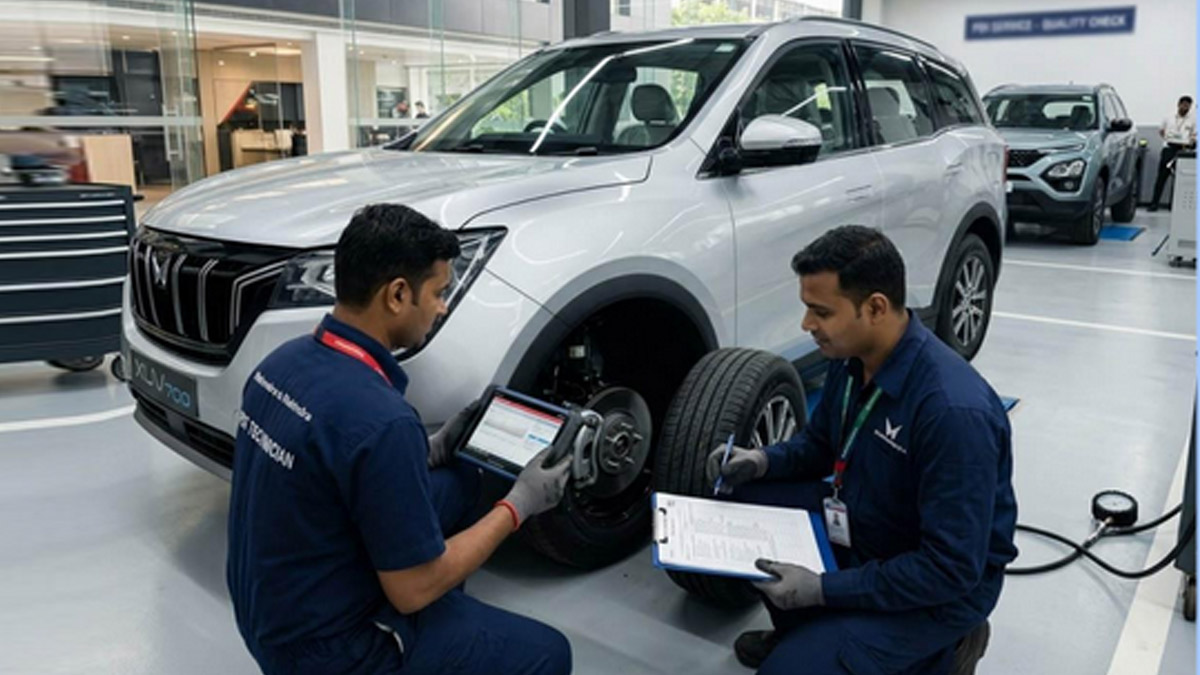
You have spent weeks researching, test driven a few options, finalised the colour and variant, and are now days away from taking delivery of your new car. It feels like the hard part is over. But there is one step that most buyers skip entirely, and it is the one that protects everything else. Understanding what PDI meaning covers and why it matters could save you from discovering a Rs 20,000 to Rs 80,000 problem after you have already signed the papers.
PDI stands for Pre-Delivery Inspection. It is a structured check that happens before your car is handed over to you. A proper PDI car service covers everything from paint quality and panel alignment to electrical systems, fluid levels and tyre pressure. Dealers are supposed to conduct this before delivery, but the depth of the check varies widely. And if the buyer does not know what to look for, problems slip through.
What Does a PDI Actually Cover?
A thorough PDI checks the car across four broad categories:
| Category | What Gets Checked | Common Issues Found |
| Exterior | Paint quality, panel gaps, glass, lights, tyres | Paint chips, uneven panel alignment, scratched glass |
| Interior | Seat upholstery, dashboard, AC, infotainment, switches | Loose trims, non-functional buttons, squeaks and rattles |
| Mechanical | Engine bay, fluids, battery, brakes, steering | Low fluid levels, minor leaks, battery not fully charged |
| Electrical | All lights, windows, central locking, sensors | Malfunctioning sensors, flickering displays, USB ports |
Each of these categories can hide issues that are minor at delivery but expensive if left unaddressed. A small paint chip near a door edge, for example, can lead to rust in a humid city like Mumbai or Chennai within 12 to 18 months.
What It Can Cost You to Skip the PDI
Here is a realistic look at what buyers have discovered after delivery that a proper PDI would have caught before:
• Paint defects requiring respraying: Rs 8,000 to Rs 25,000 depending on the panel
• Misaligned panels or doors that need workshop adjustment: Rs 3,000 to Rs 8,000
• Non-functional infotainment unit needing replacement: Rs 15,000 to Rs 40,000
• Scratched windshield that needs full replacement: Rs 6,000 to Rs 18,000
• AC not cooling properly due to low refrigerant: Rs 2,000 to Rs 5,000
• Tyre with a slow puncture from storage damage: Rs 3,000 to Rs 6,000
The total exposure from a single missed PDI can range from Rs 5,000 for minor issues to Rs 80,000 or more if multiple problems are found post-delivery. More importantly, proving that a defect existed before delivery becomes significantly harder once you have taken the keys.
Why Dealer PDIs Are Not Always Enough
Most dealerships do conduct a pre-delivery check on their own, but the process is not always as rigorous as it should be. There are a few reasons for this:
High Delivery Volumes
During festive season or at the end of a financial year, dealerships handle a surge in deliveries. When a service team is processing 15 to 20 cars a day, the depth of each check inevitably suffers.
Incentive Misalignment
Dealership staff are often incentivised on delivery speed and customer satisfaction scores. Finding a defect and sending a car back for rework delays delivery and affects scores. The incentive to look harder is not always present.
Buyer Unawareness
Most buyers arrive at delivery excited and in a hurry to leave. Without knowing what to look for, they miss things that a trained eye would catch immediately. Dealers know this, and the pressure to be thorough is lower when buyers are not asking questions.
What You Should Check Yourself at Delivery
Even if the dealer has completed their PDI, spend 20 to 30 minutes doing your own check at delivery. Here is a quick reference:
Check How to Do It Time Required Walk around in daylight Check all panels for scratches, chips and dents 5 minutes Open every door Check seals, check for rattles, test all windows 3 minutes Check interior thoroughly Test every button, switch and screen 5 minutes Start the car Look for warning lights, check AC, check all lights 5 minutes Check the boot Look for spare tyre, tools, jack and damage 2 minutes Inspect tyres Check pressure and look for sidewall damage 3 minutes
The Bottom Line
A PDI is not a formality. It is the last line of defence between you and a problem that the manufacturer or dealer should have fixed before you paid for the car.
Take the time to understand what the check involves, ask your dealer for confirmation that it has been completed, and do your own walkthrough at delivery. Twenty minutes of attention at this stage can save you weeks of workshop visits and tens of thousands of rupees down the line.