MAM
Indians happy with Quality of Healthcarebut have concerns with Healthcare Systems and Diseases: Ipsos Study

MUMBAI: 55% Indians feel they have access to quality healthcare, 31% rate it neither good nor poor, while 15% rate it as poor. Interestingly, India is placed at the 11th spot in assessment of the quality of healthcare among the 28 countries covered in an Ipsos Global Advisor survey of more than 23,000 adults. Countries surveyed where consumers most tend to rate the quality of their healthcare positively are Great Britain (73%), Malaysia (72%), and Australia (71%). Countries rated lowest by consumers in quality of healthcare were Poland (14%), Russia (16%) and Serbia (18%).
So, what are the major concerns cited by Indians around healthcare systems?
The top three problems cited were –Cost of access to treatment (44%), Poor quality treatment (35%) and Low standards of cleanliness (30%). Globally, the top three concerns that emerged were – Access to treatment/ long waiting times (41%), Staff crunch (36%) and Cost of accessing treatment (32%).

Top 3 public health concerns in India?
Indians are worried most about Diabetes, followed by Cancer and the third biggest concern is Heart Disease. Globally, the top three public health concerns are Cancer, Obesity and Mental Health.
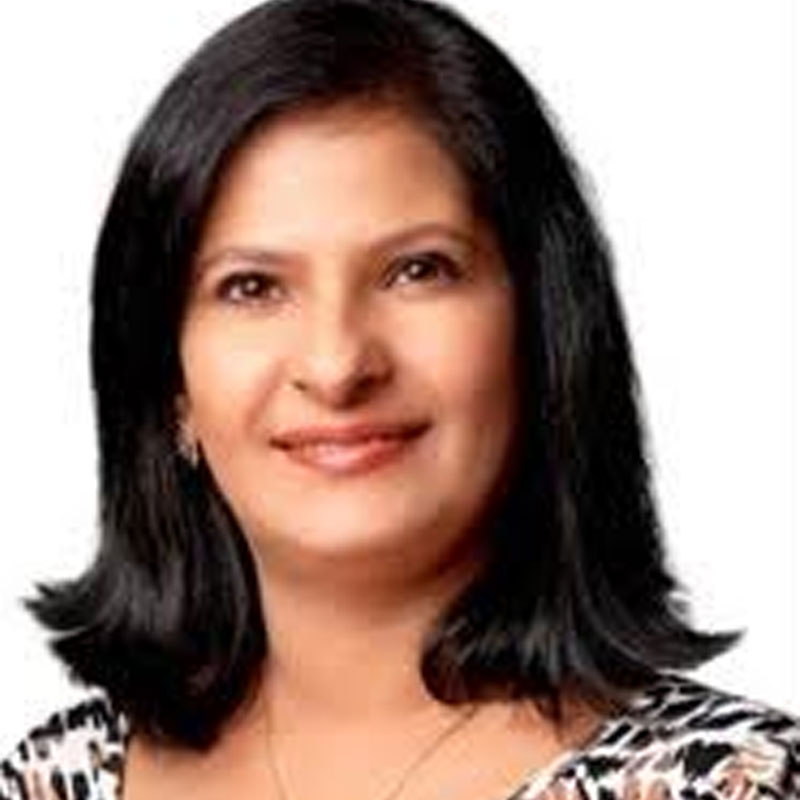
“Making healthcare affordable to all, should be addressed by governments and healthcare providers around the globe as it is among the top three concerns,” says Monica Gangwani, Head of Ipsos Healthcare.
“Lifestyle changes can prevent some of these dreaded diseases.” adds Gangwani.
How does the future of Healthcare look 10 years from now?
There is high level of optimism seen among Indians – 66% say their own health will get better in 10 years (highest across all 28 markets), globally 35% feel so and in Japan only 11% feel their health will improve 10 years hence (lowest); 69% Indians feel that the quality of healthcare (docs, hospitals, medicine etc.) will improve for them and their family 10 years from now, 39% agree globally (across 28 markets), while Germany is the lowest with only 16% being optimistic; 60% Indians feel that the Cost of Healthcare will get better for them and their family 10 years from now – it will pinch the pocket less, 30% agree globally and Germany (at the bottom of the heap) has only 11% agreeing; 72% Indians (highest globally) feel that 10 years hence, the availability of healthcare providers (docs, hospitals etc.) where they live will get better; Germany is most pessimistic at 13% and global average is 37%; 73% Indians feel that the availability of treatments for various health conditions will improve 10 years hence, global average is 47% and Germany is at the bottom of the heap and has only 17% feeling optimistic.
Opinions about interactions with individual healthcare professionals tend to be more favorable among Indians, also of the healthcare system. Majority of Indian adults agree that, the last time they saw a healthcare professional, they were treated with dignity and respect (63%), they were taken seriously (61%), they were shown respect for their values, preferences or expressed needs (61%), they were accepted for who they were (65%), their safety was a priority (66%), and they knew what to expect from their doctor (67%).Interestingly, the study findings suggest that many patients have a close relationship with their providers. More number of Indians agree that the provider they last saw knows them as a person (62%), or that they know that doctor very well (60%),only about half of Indians polled said their doctor showed them emotional support (53%). Looking at 16 healthcare experience attributes, the countries surveyed showing the highest average ratings are India, the U.S., Malaysia, Australia and Canada. Those with the lowest ones are Japan, Russia, South Korea, Peru and Brazil.
Use of Technology
27% Indians report having ever used telemedicine. Among the 27% who have used it, two third saysay they would use it again and one third say they wouldn’t. Reported experience is far more common in emerging countries of Asia and the Middle East and in the United States than it is in Europe.
23% Indians say they currently use a connected health device or tool to manage their health, 24% say they have used one, but are not using any now, and 49% say they have never used one – the other 4% do not know. The five countries where usage is highest are the same as with telemedicine: China (28%), India (23%), Saudi Arabia (22%), Malaysia (18%) and the U.S. (15%).
Sources of Information?
Doctors and other healthcare professionals are the primary go-to source of information about healthcare, symptoms of diseases and treatments: it is the only one which is used by a majority of Indian adults (53%). The other sources most commonly used are online search engines (50%), family and friends (46%),online encyclopedias (32%), hospital/ health system/ health insurer website/ application (32%), newspaper/ magazines (31%), among others.






Brands
Adobe CEO Shantanu Narayen to step down after 18 years in role
Board begins CEO search as Narayen prepares to move to chair role
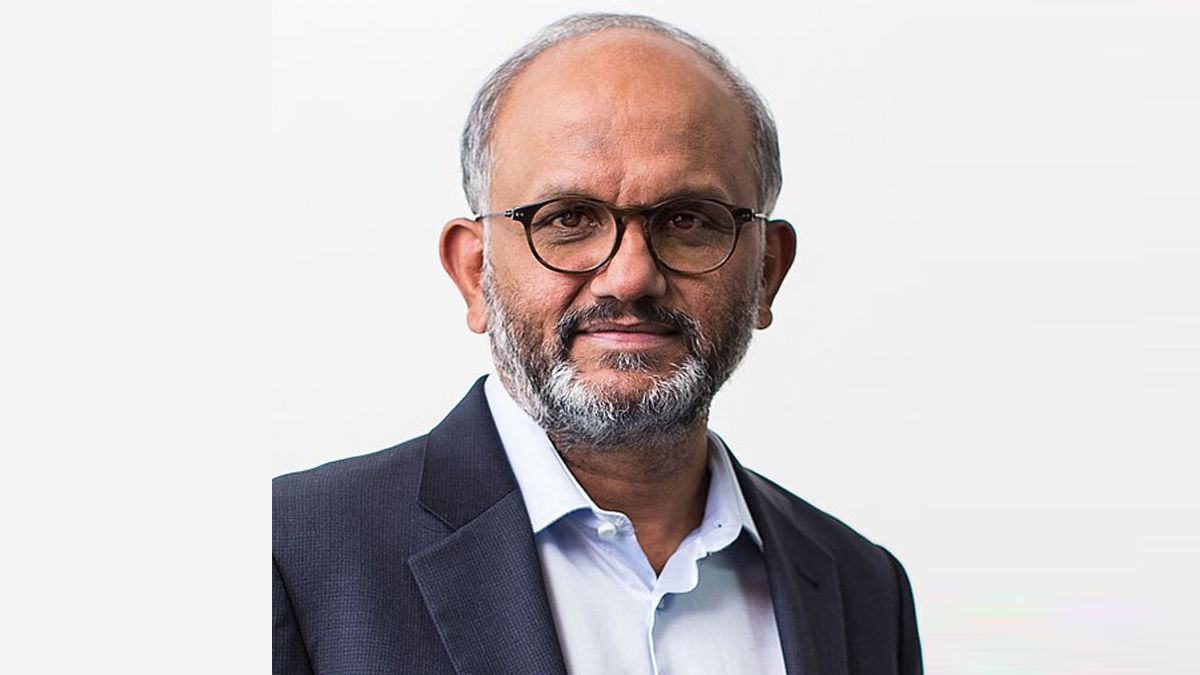
SAN JOSE: After nearly two decades at the helm, Adobe’s long-serving chief executive Shantanu Narayen is preparing to pass the baton.
The company announced that Narayen will transition from his role as chief executive officer once a successor is appointed, ending an 18-year run that reshaped Adobe from a boxed software seller into a global cloud and AI powerhouse. He will remain chair of the board following the leadership transition.
Adobe’s board has formed a special committee to oversee the succession process, led by lead independent director Frank Calderoni. The committee will evaluate both internal and external candidates.
“Shantanu’s leadership has been instrumental in Adobe’s transformation and in positioning the company for the AI-driven era,” Calderoni said in a statement. “As we begin the next phase of succession planning, our focus is on identifying the right leader for the company’s next chapter while ensuring a smooth transition.”
In a note to employees, Narayen described the moment not as a farewell but as a pause for reflection after a long journey with the company.
“I love Adobe and the privilege of leading it has been the greatest honour of my career,” he wrote, adding that he will continue to work closely with the board over the coming months to ensure a seamless leadership change.
Tributes from the technology industry quickly followed the announcement. Microsoft chairman and chief executive officer Satya Nadella congratulated Narayen on what he described as a “legendary run” at Adobe.
“Congrats Shantanu, on a legendary run at Adobe! You’ve built one of the most important software companies in the world, and expanded what’s possible for creators, entrepreneurs, and brands everywhere,” Nadella wrote on LinkedIn.
“What has always stood out to me is the empathy you’ve brought to the creative process and the example you’ve set as a leader. Grateful for your friendship, mentorship, and for all you’ve done for Adobe and for our industry.”
Narayen’s career at Adobe spans nearly three decades. He joined the company in 1998 as vice president and rose steadily through the ranks before becoming chief executive officer in December 2007.
During that time, he orchestrated one of the most significant reinventions in the software industry. In 2013, Adobe made the bold decision to abandon traditional boxed software sales and move its flagship creative tools such as Photoshop to a subscription-based Creative Cloud model. The shift initially rattled investors but ultimately transformed Adobe into a predictable recurring revenue business and a case study in digital reinvention.
Narayen also pushed Adobe beyond creative tools into the world of marketing technology and data-driven customer experience, spearheading acquisitions such as Omniture and Marketo. Those moves helped build Adobe’s digital experience division and broaden its reach far beyond designers and photographers.
The numbers tell the story of that transformation. When Narayen took over in 2007, Adobe generated roughly $3 billion in annual revenue. Today the company reports more than $25 billion. Over the same period, its workforce expanded from around 3,000 employees to more than 30,000.
In recent years, Narayen has steered Adobe into the generative AI era with the launch of Adobe Firefly, aiming to keep the company ahead in a rapidly evolving creative technology landscape.
Born in Hyderabad in 1963, Narayen studied electronics and communication engineering at Osmania University before moving to the United States for a master’s degree in computer science from Bowling Green State University. He later earned an MBA from the Haas School of Business at the University of California, Berkeley.
Widely regarded as one of Silicon Valley’s most steady and effective leaders, Narayen has earned multiple honours during his career, including India’s Padma Shri in 2019.
For Adobe, the upcoming leadership change marks the end of a defining chapter. For Narayen, however, the story is far from finished. As he told employees, the company’s next era of creativity, powered by AI and new digital workflows, is only just beginning.