MAM
Indian antitrust watchdog raids global ad giants over alleged price collusion

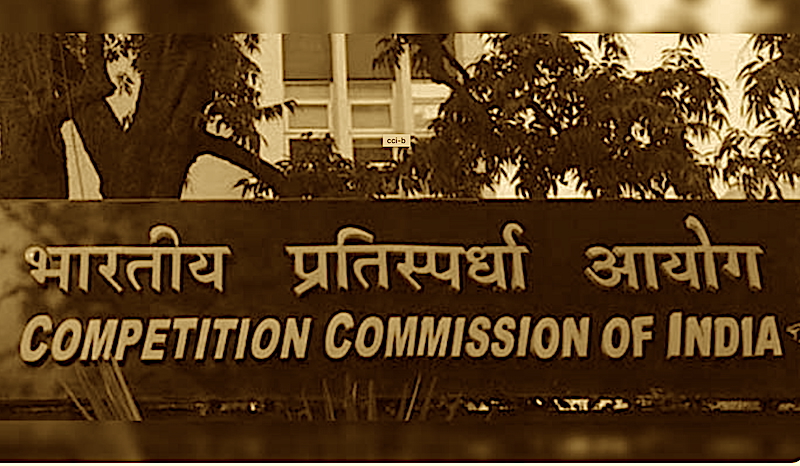
MUMBAI: India’s competition regulator has launched a surprise raid on several advertising behemoths, including GroupM, Dentsu and Interpublic Group, as well as a broadcasters’ industry body over allegations of price-fixing, sources with direct knowledge told Reuters on Tuesday.
The Competition Commission of India’s officers descended upon roughly 10 locations in Mumbai, New Delhi and Gurugram after initiating a case against the agencies and top broadcasters for allegedly colluding to fix advertising rates and discounts.
The raids come at a pivotal moment for India’s advertising landscape, which is experiencing significant upheaval following the $8.5 billion merger between Walt Disney and Reliance’s Indian media assets. This regulatory blitz also follows hot on the heels of Omnicom Group’s $13.25 billion all-stock acquisition of rival Interpublic Group in December, a deal that created the world’s largest advertising agency.

According to one source who spoke to Reuters, the watchdog is investigating how advertising agencies allegedly conspire with certain broadcasters to fix advertising prices when selling to clients, including discussions around discounts. The allegations reportedly include concerns that certain broadcasters engaged in “collective action” to avoid offering discounts on advertising rates.
The Indian Broadcasting & Digital Foundation (IBDF), which represents heavyweight domestic broadcasters including billionaire Mukesh Ambani’s Reliance-Disney joint venture and Sony and Zee, has remained tight-lipped about the investigation.
Representatives from GroupM (owned by Britain’s WPP), IPG Mediabrands and Japan’s Dentsu all declined to comment when approached by Reuters, as did the competition commission itself, which maintains a policy of not publicly disclosing details of enforcement actions or price collusion cases.







MAM
Kalyan Jewellers launches Nimah Collection campaign
New temple-inspired jewellery range stars Sreeleela and Kalyani Priyadarshan.

MUMBAI: Kalyan Jewellers has given temple jewellery a cinematic glow-up and this time, it’s sparkling with star power and storytelling. The leading jewellery brand has unveiled a new campaign for its Nimah Collection, directed by acclaimed filmmaker Priyadarshan and featuring brand ambassadors Sreeleela and Kalyani Priyadarshan. Built around the powerful idea of “A Legacy You Wear”, the campaign presents a cinematic celebration of India’s rich temple jewellery traditions, positioning them as timeless expressions of identity, strength, and artistry.
The film brings mythology and classical performance together in a fresh narrative. Sreeleela’s character embodies strength and discipline, moving from archery to classical dance, with bold temple jewellery accentuating her power. In contrast, Kalyani Priyadarshan’s portrayal explores introspection and creativity through music and writing, highlighted by finer detailing and understated elegance. Together, the two personas showcase the Nimah collection as heritage jewellery that remains relevant across generations.
The Nimah range draws inspiration from South Indian temple jewellery and features intricate Nakashi (hand-carved) work. It includes statement bridal necklaces and haarams, temple-inspired chokers, earrings, jhumkas, rings, and chains perfect for both bridal and festive occasions.
Every piece in the collection comes with Kalyan Jewellers’ trusted 4-Level Assurance Certificate, guaranteeing purity, free lifetime maintenance, and transparent buy-back policies.
The campaign is now live across digital platforms, and the Nimah collection is available at Kalyan Jewellers showrooms nationwide.
In a market often crowded with glitter, Kalyan Jewellers has chosen to shine through meaningful storytelling. With “A Legacy You Wear,” the brand reminds us that the most beautiful jewellery doesn’t just adorn, it carries stories, culture, and timeless elegance forward.






