MAM
India braces for a grey wave as elderly numbers set to hit 230m by 2036


MUMBAI India’s population is ageing fast. By 2036, roughly 230 million Indians—one in seven—will be 60 or older, more than double the 100 million recorded in 2011. It’s a demographic earthquake that will reshape everything from healthcare to housing, pensions to public transport.
The south is greying fastest. Kerala, already home to 13 per cent elderly in 2011, will see that figure leap to 23 per cent by 2036, matching developed nations. Tamil Nadu and Himachal Pradesh aren’t far behind.
Meanwhile, northern states like Uttar Pradesh, though younger now, are catching up quickly—elderly numbers there will nearly double from 7 per cent to 12 per cent.

Women dominate the demographic. They make up 58 per cent of India’s elderly, with a sex ratio of 1,065 females per 1,000 males. More than half are widows. The overall dependency ratio—62 dependents per 100 working-age people—signals mounting pressure on families and the state.
The challenges are stacked high. Mental health stigma around dementia and Alzheimer’s persists. Geriatric infrastructure is patchy, especially in rural areas. Social security remains inadequate even as living costs climb. Traditional family support systems are fraying under the weight of urbanisation and nuclear households. And India’s infrastructure—from public transport to pavements—remains stubbornly unfriendly to the elderly.
New Delhi is scrambling to respond. The ministry of social justice and empowerment has rolled out a raft of schemes. The Atal Pension Yojana, launched in 2015, has swelled from 15.4 million subscribers in 2019 to 82.7 million by October 2025, managing assets worth over Rs 49,000 crore. It promises monthly pensions of Rs 1,000 to Rs 5,000 after subscribers turn 60.
The Integrated Programme for Senior Citizens runs 696 old-age homes across 29 states and union territories, with 84 more approved this year. The Rashtriya Vayoshri Yojana distributes walking sticks, hearing aids, wheelchairs and dentures to low-income seniors. A toll-free helpline—14567—offers support. The Sacred portal helps those over 60 find jobs. The SAGE portal encourages start-ups to develop elderly care solutions, offering equity support of up to Rs 1 crore per project.
Legal muscle backs the effort. The Maintenance and Welfare of Parents and Senior Citizens Act, amended in 2019, compels children—including step-children and in-laws—to provide for parents. It scrapped the Rs 10,000 monthly maintenance cap and mandated special police units for seniors in every district. All hospitals, private included, must now provide dedicated queues, beds and geriatric care.
Technology is pitching in too. Telemedicine platforms like e-Sanjeevani offer free home consultations. Wearable devices track vital signs. Online pharmacies deliver medicines to doorsteps. Smart home sensors let families monitor elderly relatives remotely.
The silver economy—goods and services for those over 50—is booming. Valued at Rs 73,000 crore in 2024, it’s set for multi-fold growth. Globally, senior citizens and professionals aged 45 to 64 are the wealthiest cohort. India’s senior care market presents vast opportunities for health and wellness firms, both at home and abroad.
Yet success hinges on more than schemes and start-ups. India needs specialised regulations for senior care, policy reforms anchored in evaluation frameworks, and better coordination across ministries. Panchayati raj institutions, urban local bodies, NGOs and private providers must work in concert. Public-private collaboration across healthcare is essential.
The clock is ticking. By 2050, India’s elderly population will swell to 319 million, growing at three per cent annually. The country that once prided itself on youthful demographics now faces a greying future. Whether it becomes a burden or a boon depends on how swiftly India adapts. The grey wave is coming. Ready or not.






Brands
Boeing appoints Barun as head of FP&A for global engineering function
Seasoned finance leader to steer budgets and strategy across global centres
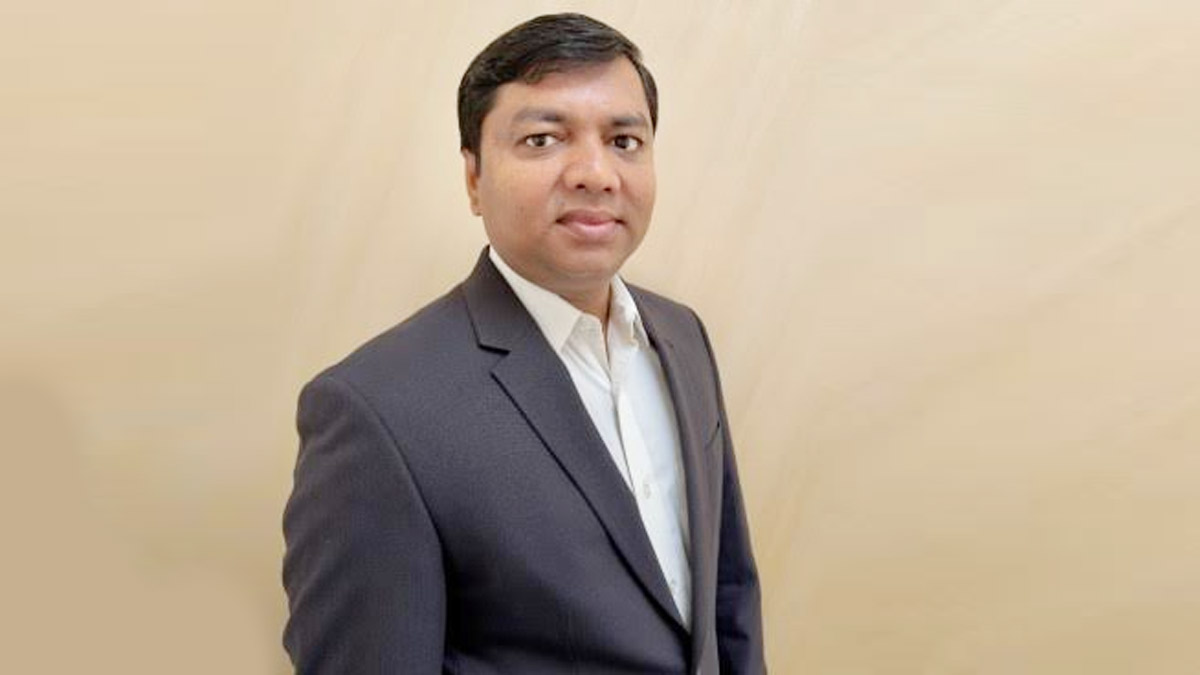
BENGALURU: Boeing’s finance cockpit has a new pilot, and he is no stranger to turbulence or transformation. Boeing has appointed Barun as head of FP&A for global engineering, placing him at the centre of financial strategy for its worldwide engineering and technology operations.
Based in Bengaluru, Barun steps into a role that is as expansive as it is critical. He will serve as the primary finance lead for Boeing’s Engineering and Technology Centers globally, working closely with executive leadership to shape financial decisions, manage complex budgets, and design scalable finance processes that support the company’s growing engineering footprint.
In a note announcing his move Barun said, “I’m excited to share that I’ve joined Boeing Global Engineering. This opportunity is incredibly meaningful to me not just from a professional standpoint, but also for what Boeing represents globally.” He added that he looks forward to contributing to an organisation that continues to shape the future of aerospace and innovation.
Barun’s mandate spans strategic financial leadership, operational oversight, and stakeholder engagement. From directing large-scale budgets and schedules to influencing long-term organisational goals, the role blends financial discipline with business foresight. He will also lead cross-functional teams and partner with finance colleagues worldwide to support engineering programmes across geographies, including India.
The appointment caps a long stint at Juniper Networks, where Barun spent over a decade, most recently as finance senior manager. There, he led FP&A for global product business units and G&A functions, driving budgeting, forecasting, and long-range planning. He also played a key role in enterprise-wide transformation, including spearheading an Oracle to SAP ERP migration and building advanced analytics capabilities using tools such as Tableau and SAP Analytics Cloud.
His earlier career includes finance leadership roles at Sony India Software Centre, Cognizant Technology Solutions, and Mphasis, where he focused on financial planning, governance frameworks, and operational efficiency across global delivery centres.
A chartered accountant from the Institute of Chartered Accountants of India, Barun brings nearly two decades of experience across financial planning, digital transformation, and analytics-led decision making.
His appointment comes at a time when global engineering operations are becoming increasingly complex and distributed, requiring sharper financial oversight and agile planning. With Barun at the helm of FP&A for engineering, Boeing appears to be tightening its financial playbook as it looks to scale innovation with discipline.






