MAM
Inclusivity makes a strong business case for media companies

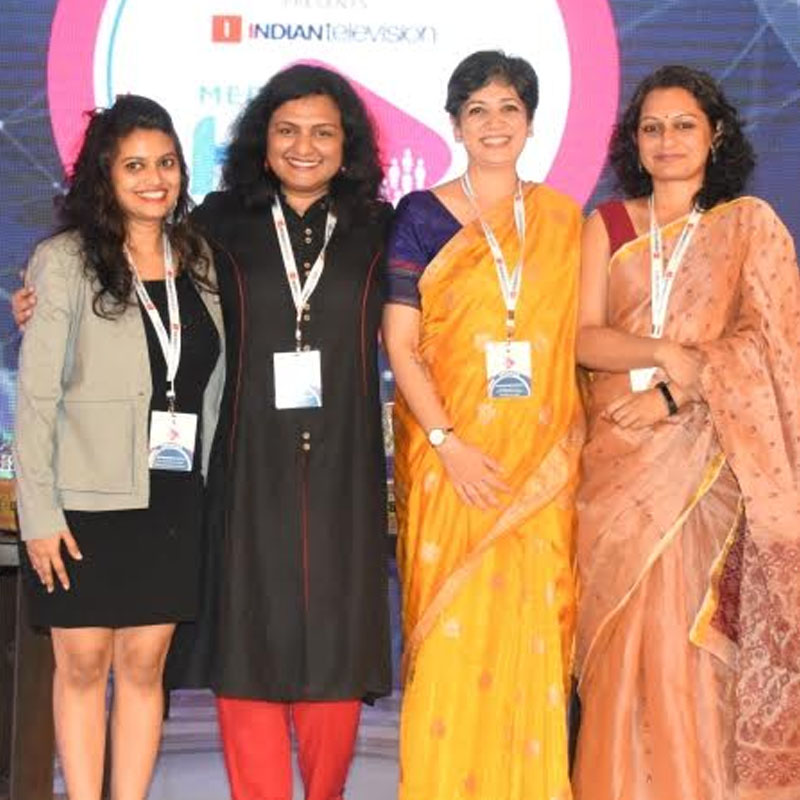
MUMBAI: In the last few years, diversity and inclusion have caught heightened attention in organisations across the world. Although diversity is less of a concern for media companies, inclusion is what needs to be addressed. The motive behind this should its relevance today and the impact it has on business.
At the recently concluded Media HR Summit hosted by Indiantelevision.com, a panel discussion moderated by D&I evangelist and founder and MD Vividhataa, Diversity Hiring Consultants Ratnaprabha Sable revolved around the issues regarding D&I. Voices of Inclusion author Deepa Shankar, Mondelez International diversity and inclusion lead (independent consultant) Priyadarshini Gupta, NeoSeven Solutions global HR expert Monika Navandar took part in the discussion.
Gupta explained that diversity is about having diverse perspectives, thoughts and viewpoints on the table while innovating something or creating a new product, service or working together, collaborating. According to her, having diverse thought processes on the table is important.

Talking about the need for diversity in an organisation, she also said that a diversity agenda should have a business case for it. She gave the example of an American KPO that was investing a high amount of money in training employees in the age group of 22-25 who would end up leaving the organisation in less than a year. Instead, it started recruiting retired people with the necessary skill sets for whom skipping jobs or moving high or quickly in their career did not matter. As a result training cost reduced significantly impacting topline and bottom line of the organisation.
“Inclusion is about what I am doing in order to help a talent who has been brought back into the system to make them feel they belong to the organisation and the person thrives and grows,” Shankar commented. She also added that inclusion is also about policies which support the diversity agenda.
Navandar contradicted a point from another session where panellists made a point about having tech and analytical skills. According to her, people should play to their strengths as there are so many other jobs.
While there’s a common tendency of discussing only on gender-specific issues, it came out during the discussion that diversity moves beyond this. The panel also discussed the issue of unconscious biases which even sometimes affects recruitment processes.
In the context of the media and entertainment industry, it was agreed that diversity is not a big concern there but inclusion needs to be worked upon such as accepting smokers and non-smokers, people who have alcohol vs those who don’t have. More importantly, Sable highlighted the need for backward integration. She contended the importance of creating jobs for people with disabilities, acid attack victims and mental health issues. According to her, organisations need to identify jobs where these people can be placed in or trained for.
The media industry has the advantage of having different sets of people compared to other industries. Moreover, multicultural workforce brings out multicultural content making the business case strong for diversity agenda. However, looking at supplier, product and service delivery diversity along with consumer diversity is also important while working. Hiring a diverse slate of people and recruiting from different industries, not just from media will also enhance diversity.


MAM
Ameya Velankar steps down as Uber’s head of marketing for India & South Asia
Veteran marketer exits after more than seven years with the ride-hailing giant.
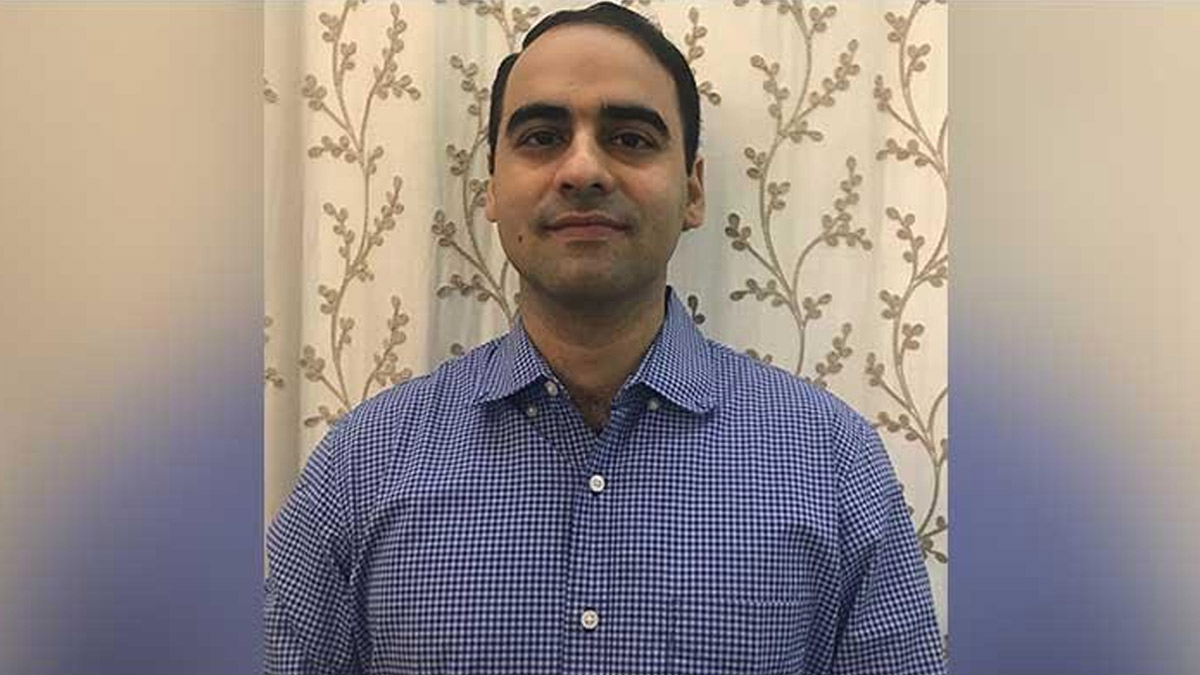
MUMBAI: After more than seven years of steering Uber through the bumpy roads of India’s mobility market, Ameya Velankar has decided to change lanes. Ameya Velankar has stepped down as Head of Marketing for India and South Asia, marking the end of a significant chapter at the ride-hailing company. He had been with Uber since 2019, taking on multiple roles in product and category marketing before rising to lead the marketing function for the region in 2021.
During his tenure, Velankar played a key role in strengthening Uber’s positioning in one of its most competitive and dynamic markets. He helped drive localised marketing strategies and scale adoption across key offerings such as Auto, Moto, Rentals and Intercity, tailoring global platforms to Indian consumer needs.
Prior to joining Uber, Velankar built his marketing expertise at leading consumer companies including SC Johnson and Marico, where he handled category and product leadership roles. His career began at RPG Enterprises.
Details of his next professional move have not been disclosed.
In a fast-evolving mobility landscape where brands constantly battle for attention, Ameya Velankar helped Uber stay relevant and resonant with millions of Indian users. As he moves on from the driver’s seat of marketing, the company will now look for fresh ideas to keep its wheels turning smoothly.






