MAM
IDBF 2022: The MarTech stack roadmap for D2C brands


Mumbai: The first panel discussion for the second edition of the Indian Digital Brand Fest 2022, held on 12 October at ITC Maratha in Mumbai, provided an in-depth look at how D2C brands are utilising the MarTech space to attract and retain customers, assisting in not only the sale of brands but also in experience with regard to pre-purchase and post-purchase, and for several other purposes such as warehousing and operations, and even putting out inventory on the website. It also brought out the role of agencies in helping D2C brands achieve all this.
The discussion was on the topic of “The MarTech stack roadmap for D2C brands,” and was chaired by Wavemaker India’s head of audience sciences, Ronak Parikh.
Zouk founder & CEO Disha Singh emphasised that as compared to the earlier days when the brand was dependent heavily on their tier I and metro target audience as they were the only ones who had the opportunity to access the brand online, now the brand also has customers across the tier II and tier III cities who have become comfortable adapting to buying D2C brands online, which has helped scale their business further.

“Most D2C brands were focused on tier I cities because they had more opportunities to shop online. We used to focus more on tier one and metro cities, but thanks to Jio and the internet boom, tier II and tier II cities are also becoming potential markets, and now the split is equal across. This is about consumers’ lifestyle changes; being online and adopting the lifestyle process; and also being ready to experiment with the new brands. This has fueled the D2C base,” she said.
Singh also revealed, “What has worked for us is providing the consumer with the right product with the right experience. The era of only providing a good product has gone. The consumer not only expects a good product from you at the right price point, but also to experience it pre-purchase and post-purchase. So be it a D2C brand or any brand which wants to grow in today’s times in India, it needs to provide an overall experience to the consumer which begins from when the consumer gets to know about your brand to when the consumer has bought from you.”
Talking about the role of various MarTech tools that could be utilised, Havas Media group head of digital services India, Rohan Chincholi, brought out that when it comes to a D2C platform, it’s important to make the navigation and checkout process seamless. Hence, tools definitely play a vital role.
“When you go to a marketplace, you go there for multiple reasons, but when you come to a D2C brand, you are coming with a very clear purpose. It’s not only about sales, it’s also about providing educational or informative content, making navigation and checkout very seamless. It’s very difficult for D2C brands as they do not cater to large audiences or on a large scale, but the money invested is high,” he pointed out.
Essence vice president of media activation India, Rahul Marwaha, mentioned clearly that MarTech helps agencies and D2C brands to relook at an audience in a different way.
Speaking of bringing agencies on board, Candere head of marketing & branding Akshay Matkar said that the agencies are experts on the audience while an in-house team is required as product marketers—both need to work on collaboration as per use cases for optimal results.
“Our category, the jewellery category, was the last adopter of the digital space. During covid, it was not just the consumer behaviour but also the business behaviour of other brands coming online that led us to expand digitally. Tier I and metros were already there; tier II and tier III also started searching and transacting online, and the penetration is still there. Hence, we and our competitors are expanding and focusing more on tier II and tier III cities,” he added.






MAM
Ogilvy appoints Carol Reed as Global Chief Innovation Officer
Advertising veteran joins to drive human-first innovation in an AI-powered world.
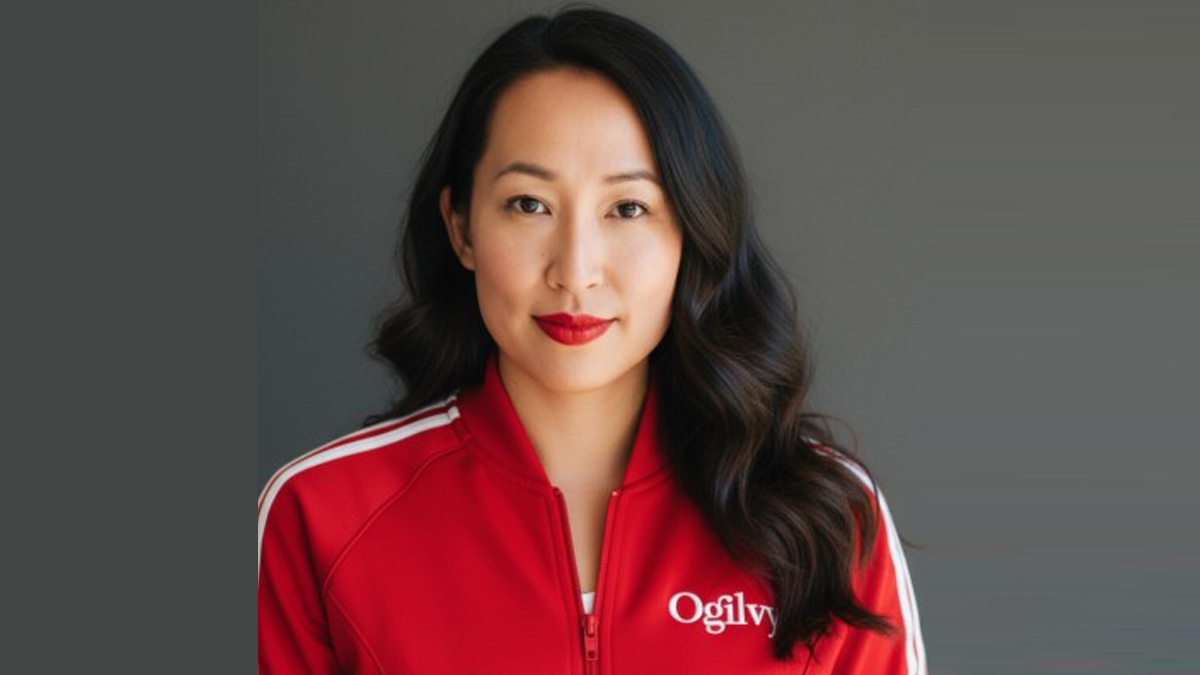
MUMBAI: Carol Reed has found a new creative canvas and this time, she’s bringing her innovation brush to one of advertising’s most iconic names. Ogilvy Group has appointed Carol Reed as its new global chief innovation officer. Reed, who previously served as Chief Innovation Officer at WPP Open X, brings deep expertise at the intersection of creativity, technology, media, and commerce.
In a note announcing her move, Reed said she was drawn to Ogilvy because of its unmatched legacy. “The most powerful thing AI can do is make human creativity more extraordinary not replace it,” she stated. “This is an agency with something no algorithm can replicate, a 78-year legacy of ideas that change culture and drive real business results.”
Reed will focus on building new products, platforms, and partnerships to amplify Ogilvy’s creative heritage for clients and its global talent network. She will work closely with Global CEO Laurent Ezekiel and global chief creative officer Liz Taylor.
Her career began at Publicis Groupe’s Digitas as an associate media planner. She later moved to Omnicom Media Group and rose to senior vice president and programmatic lead at Digitas, where she built an in-house programmatic team of over 40 members. Most recently, at WPP, she served as executive vice president for data and product marketing.
With her appointment, Ogilvy strengthens its innovation leadership as the industry navigates rapid advancements in AI and technology.
From building programmatic teams to championing human creativity in an AI era, Carol Reed has consistently stayed ahead of the curve. Her arrival at Ogilvy signals a fresh push to blend cutting-edge innovation with the agency’s legendary creative spirit.






