MAM
IAA appoints Frank Cutitta as CEO

NEW YORK: The International Advertising Association (IAA), the only global partnership association of advertisers, agencies, the media and related services, has announced the appointment of Frank Cutitta as its chief executive officer.
Cutitta will be responsible for day-to-day management aspects of IAA and will report directly to the association’s world president and executive committee.
In detail, his responsibilities will include aspects of membership retention and development, professional development, freedom of commercial speech initiatives, university accreditation programmes, awards programmes, and alliances.

Before this, Cutitta served as corporate senior vice president at International Data Group (IDG) where he was responsible for building global programmes and alliances across IDG’s 300 publications, 51 research offices and 168 expo and conference organizations in over 70 countries.
As an IAA corporate member, Cutitta also served as the association’s vice president-Communications and Vision for the past three years.
A company release quoted Cutitta as saying, “It is an incredible honor to be selected to lead the IAA and its prestigious membership base. I look forward to upholding the strong traditions of the organization while assuring it mirrors the latest trends and best practices that our constituents need to grow professionally in this very dynamic industry.”




MAM
Ameya Velankar steps down as Uber’s head of marketing for India & South Asia
Veteran marketer exits after more than seven years with the ride-hailing giant.
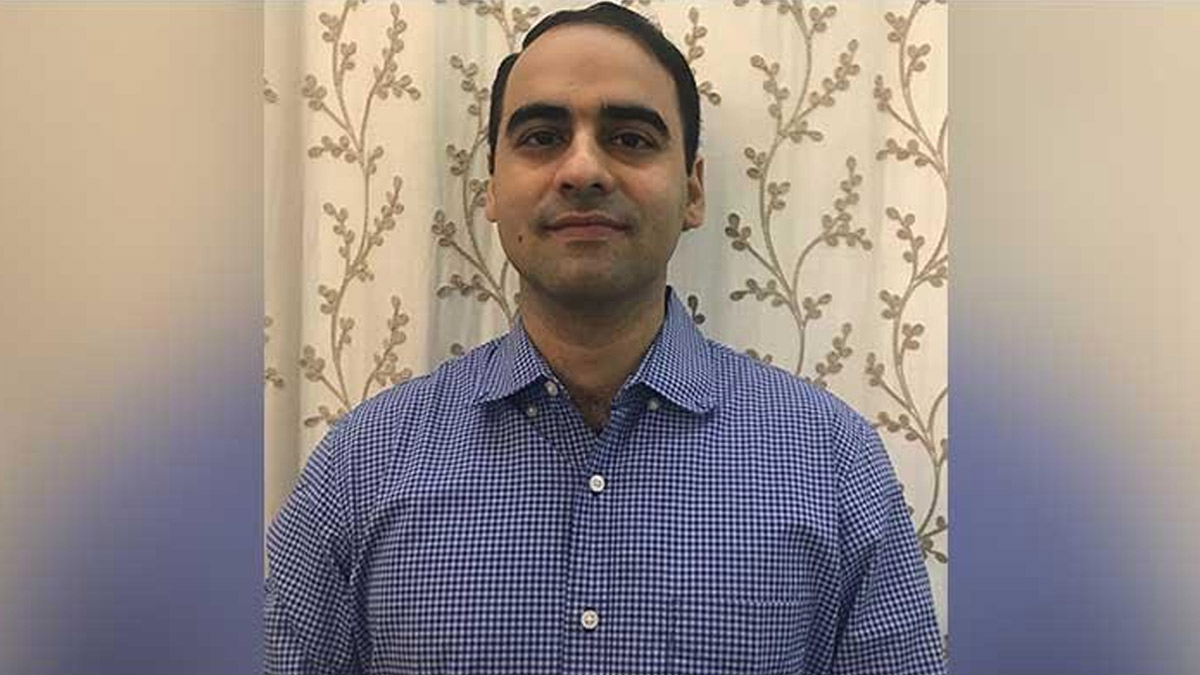
MUMBAI: After more than seven years of steering Uber through the bumpy roads of India’s mobility market, Ameya Velankar has decided to change lanes. Ameya Velankar has stepped down as Head of Marketing for India and South Asia, marking the end of a significant chapter at the ride-hailing company. He had been with Uber since 2019, taking on multiple roles in product and category marketing before rising to lead the marketing function for the region in 2021.
During his tenure, Velankar played a key role in strengthening Uber’s positioning in one of its most competitive and dynamic markets. He helped drive localised marketing strategies and scale adoption across key offerings such as Auto, Moto, Rentals and Intercity, tailoring global platforms to Indian consumer needs.
Prior to joining Uber, Velankar built his marketing expertise at leading consumer companies including SC Johnson and Marico, where he handled category and product leadership roles. His career began at RPG Enterprises.
Details of his next professional move have not been disclosed.
In a fast-evolving mobility landscape where brands constantly battle for attention, Ameya Velankar helped Uber stay relevant and resonant with millions of Indian users. As he moves on from the driver’s seat of marketing, the company will now look for fresh ideas to keep its wheels turning smoothly.






