MAM
Hurun rich list: Jayshree Ullal tops Pichai, Nadella as richest Indian-origin CEO

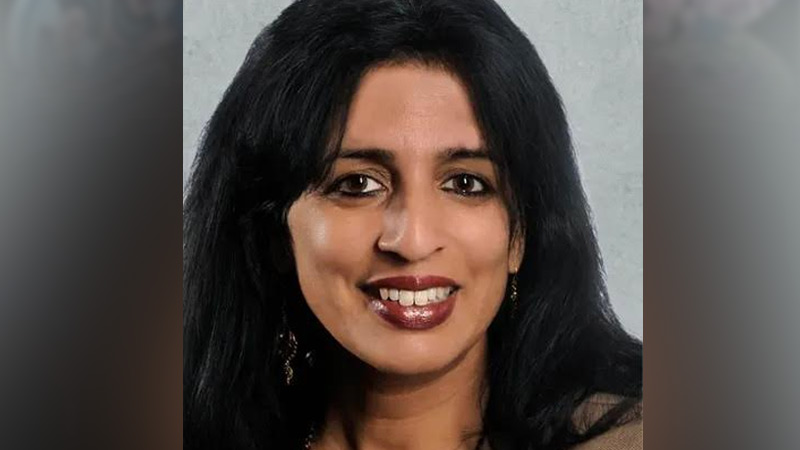
CALIFORNIA: Jayshree Ullal, president and ceo of Arista Networks, has emerged as the wealthiest Indian-origin executive in global technology, ranking ahead of Sundar Pichai and Satya Nadella in the Hurun India rich list 2025. Her ascent underscores a career shaped less by public visibility and more by sustained engineering leadership and long-term value creation.
According to Forbes, Ullal’s net worth stands at about $5.7 billion, reflecting the steady rise of Arista Networks, which reported revenues of roughly $7 billion in 2024. While several technology leaders have seen swings in personal wealth amid market volatility, Ullal’s fortune has continued to climb, mirroring Arista’s consistent performance in cloud and data-centre networking.
Born in London to Indian parents and raised in New Delhi, Ullal studied at the Convent of Jesus & Mary before moving to the US. She earned a bachelor’s degree in electrical and electronics engineering from San Francisco State University and a master’s degree in engineering management from Santa Clara University. In 2025, she was awarded an honorary doctorate in engineering in recognition of her contributions to the sector.

Ullal brings more than three decades of Silicon Valley experience. Prior to Arista, she held senior leadership roles at Cisco Systems, where she built multi-billion-dollar data-centre and switching businesses. Her earlier career included stints at AMD and Fairchild Semiconductor, along with engineering assignments for global clients such as IBM and Hitachi.
She joined Arista Networks in 2008, when the company was a small, unprofitable challenger. Under her stewardship, Arista evolved into a leading supplier of high-speed, software-driven networking solutions for hyperscalers and large enterprises, positioning the firm at the centre of cloud computing and AI-led data-centre expansion.





MAM
Ameya Velankar steps down as Uber’s head of marketing for India & South Asia
Veteran marketer exits after more than seven years with the ride-hailing giant.
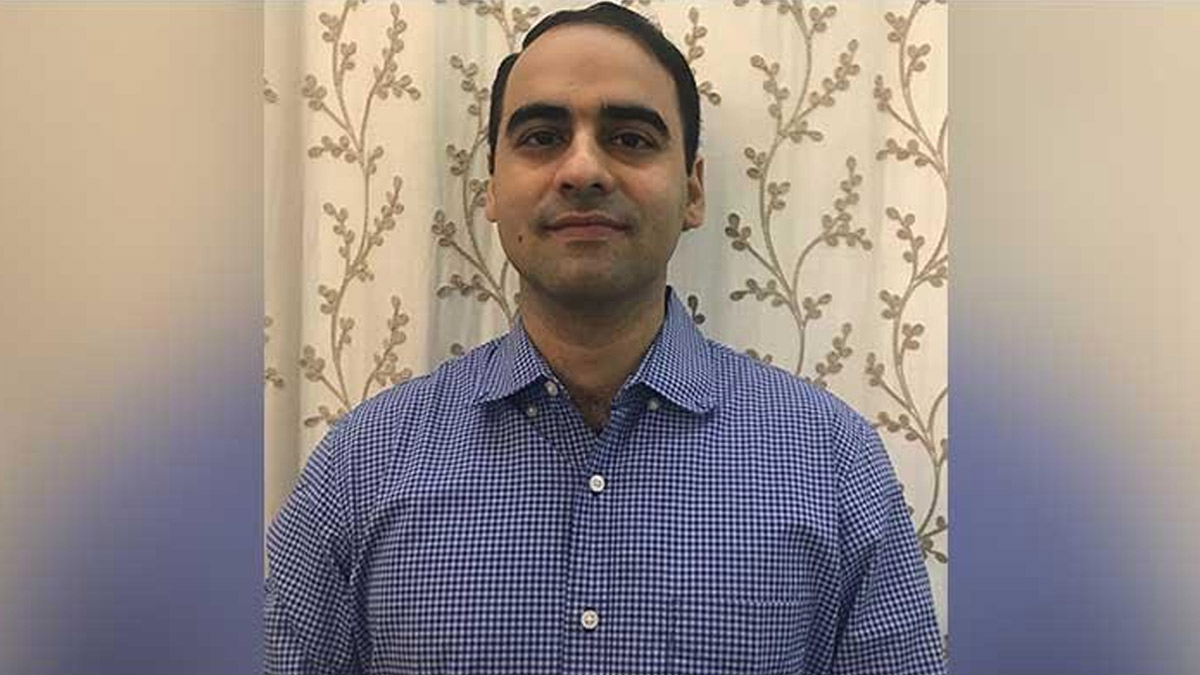
MUMBAI: After more than seven years of steering Uber through the bumpy roads of India’s mobility market, Ameya Velankar has decided to change lanes. Ameya Velankar has stepped down as Head of Marketing for India and South Asia, marking the end of a significant chapter at the ride-hailing company. He had been with Uber since 2019, taking on multiple roles in product and category marketing before rising to lead the marketing function for the region in 2021.
During his tenure, Velankar played a key role in strengthening Uber’s positioning in one of its most competitive and dynamic markets. He helped drive localised marketing strategies and scale adoption across key offerings such as Auto, Moto, Rentals and Intercity, tailoring global platforms to Indian consumer needs.
Prior to joining Uber, Velankar built his marketing expertise at leading consumer companies including SC Johnson and Marico, where he handled category and product leadership roles. His career began at RPG Enterprises.
Details of his next professional move have not been disclosed.
In a fast-evolving mobility landscape where brands constantly battle for attention, Ameya Velankar helped Uber stay relevant and resonant with millions of Indian users. As he moves on from the driver’s seat of marketing, the company will now look for fresh ideas to keep its wheels turning smoothly.






