MAM
Huella Services appoints Pankajj Rai as vice president – Ad sales
Media veteran with 18 years experience to lead monetisation and partnerships.

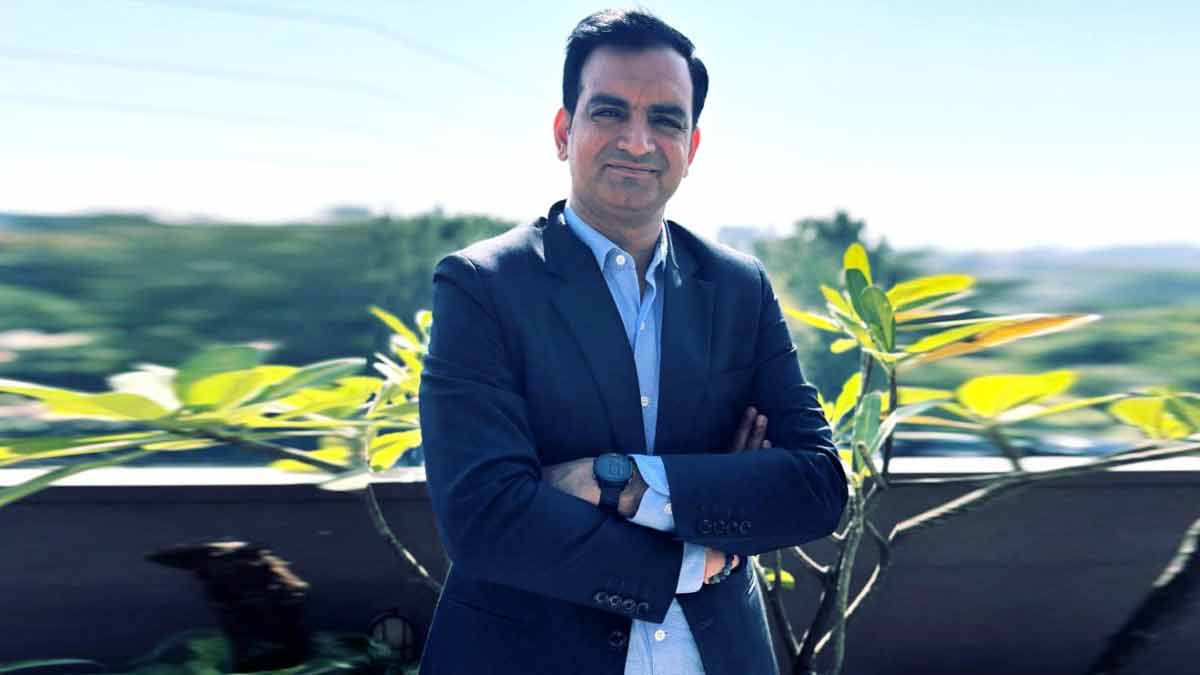
MUMBAI: When the ad game gets smarter, companies often look for someone who knows how to sell the story behind the screen. Huella Services has appointed Pankajj Rai as vice president for Ad sales, a move aimed at strengthening the company’s advertising and monetisation strategy as it expands its technology-led media offerings.
Rai brings over 18 years of experience across broadcast and digital media and will oversee monetisation initiatives for Newsroom AI, while also helping shape Huella’s next phase of development in interactive and AI-led advertising solutions.
Based in Delhi NCR, he will work closely with the founders and leadership team to align product capabilities with market needs, while driving partner development and go-to-market strategies for the company’s advertising platforms.

Rai’s career spans senior roles across some of India’s prominent media organisations. Before joining Huella, he served as business head for Wion and Zee Business at Zee Media Corporation. Earlier, he was national sales head at QYOU Media, where he led commercial partnerships and advertising growth.
His experience also includes managing commercial operations for major television brands such as Zee TV, Zee Cinema and Zee Bollywood, with responsibilities spanning North and East India.
Commenting on the appointment, Huella, co-founder and CEO Prrincey Roy said the company is strengthening its leadership team as it prepares for the next phase of growth.
“We’re thrilled to welcome Pankajj at a time when Huella is expanding both its portfolio and ambition. His depth of experience and strategic lens make him an invaluable addition as we build not just better products, but better outcomes for our partners and brands,” Roy said.
Huella Services is currently building technology driven advertising platforms that integrate AI powered content ecosystems with brand engagement, reflecting a broader shift in the media industry towards data driven and interactive advertising formats.
With Rai now leading ad sales and monetisation, the company aims to deepen relationships with advertisers while scaling its AI driven media products in an increasingly competitive digital advertising landscape.







MAM
Beacon Group appoints Dr Rajesh Patel as Group CEO
36-year healthcare veteran to lead Beacon Diagnostics, Vector Biotek, Biogeny.
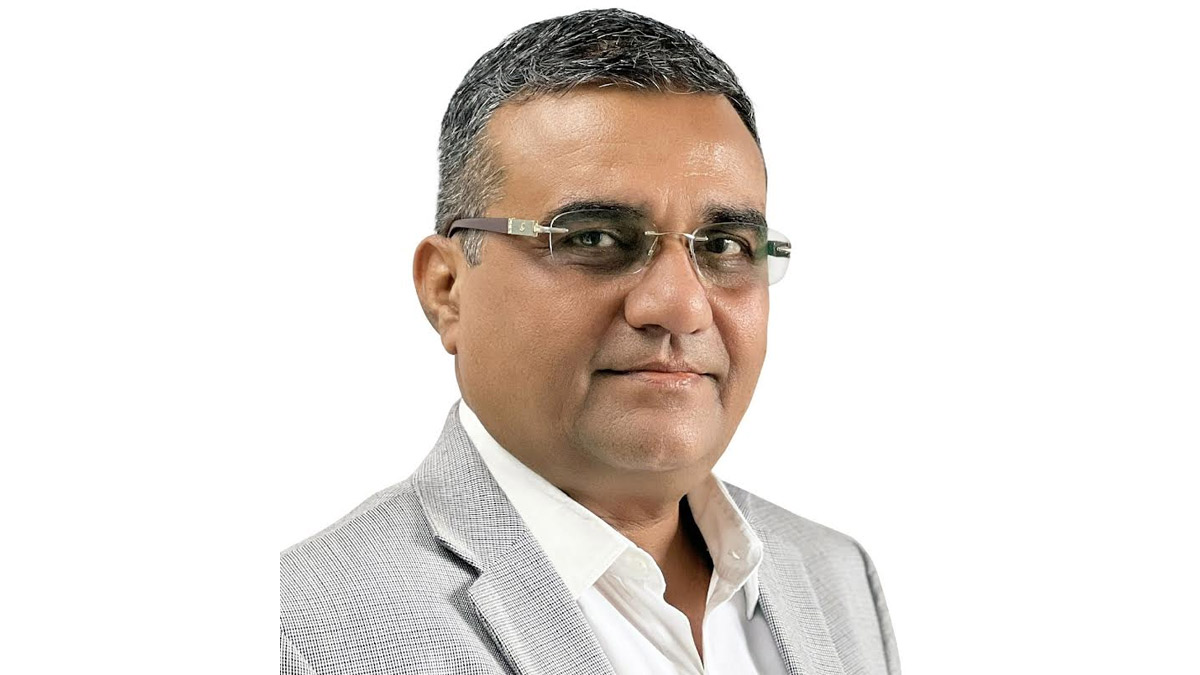
MUMBAI: A new chief, a fresh diagnosis and a sharper prescription for growth. Beacon Group has appointed Dr Rajesh Patel as its Group Chief Executive Officer, effective April 1, 2026, signalling a decisive push to scale its presence in the diagnostics and IVD space. Patel steps into the role with 36 years of experience across the healthcare and diagnostics industry, bringing a career shaped by leadership roles spanning sales, marketing, business development and operational strategy. His mandate is both expansive and precise: to steer the group’s overall strategic direction while tightening coordination across its three core entities Beacon Diagnostics, Vector Biotek and Biogeny Diagnostics.
In practical terms, that means driving cross-company synergies, accelerating market expansion and strengthening organisational capability areas increasingly critical as diagnostic players compete for scale in a fragmented yet rapidly evolving healthcare ecosystem. The group is positioning itself to capture unmet demand across chain laboratories, key accounts and standalone labs, segments that remain underserved despite growing diagnostic needs.
The appointment comes at a time when the In Vitro Diagnostics (IVD) sector in India is entering a more competitive and innovation-led phase, with companies focusing not just on product pipelines but also on service delivery, integration and customer-centric models. Beacon’s leadership appears to be betting that Patel’s execution-focused approach can help translate ambition into operational momentum.
Welcoming the appointment, Chairman Dr D K Joshi described Patel’s induction as a strategic move aligned with the group’s long-term vision, emphasising the role of leadership depth in navigating the next phase of growth.
For Beacon Group, the message is clear, in a sector where precision matters, leadership is the new differentiator—and this appointment is intended to set the tone for what comes next.






