MAM
How Parle G tackled distribution challenges during lockdown

MUMBAI: Distributing food supplies during a pandemic can be very challenging. While the central government has exempted biscuit manufacturers from the restrictions of the lockdown, Parle G was facing issues in some parts of the country as local authorities have not allowed transport of raw materials.
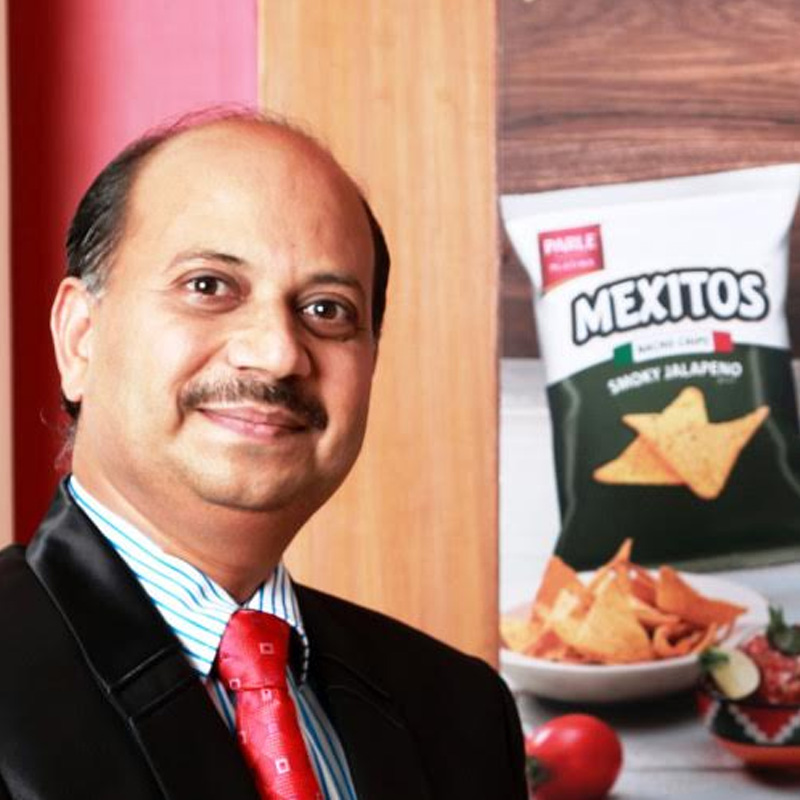
Animation Xpress.com organised a virtual roundtable conference on the theme ‘The changing dynamics of brands amid the pandemic’. The insightful discussion was moderated by indiantelevision.com founder CEO and editor-in-chief Anil Wanvari. During the roundtable, Parle Products senior category head of marketing Krishnarao S Buddha spoke at length about the challenges faced while distributing Parle products during the pandemic.
Buddha says that post 20 March, April and May has been a roller coaster ride. At Parle, hand sanitisers are a small segment; biscuit and snack business formed part of the main business.

He says, “Since day one we were clear that most of the Parle products came under essential services. It was a very tough time till April; from May onwards we are relatively better.”
About the challenges the company faced while kick-starting the distribution pipeline and supply chain, Buddha said, “We formed a small combat team and the whole objective was to see how we can bring things back to normal. First and foremost, we spoke to our partners, contract manufacturers. There are ten mother units which are owned by Parle and 120 manufacturers spread across the country. So, the idea was to activate them; it didn’t really take a lot of time to do that.”
Convincing CnFs (carrying and forwarding agent) was very difficult. They were quite hesitant in the beginning as they believed the company was not doing a right thing by sending the out, when the entire situation is so scary. But somehow the company managed to get them working as well.
According to Buddha, the last and the most important leg in the business were distributors. According to him, initially they were not willing to step out. It took a lot of convincing and motivation, communication for maintaining hygiene. All guidelines were sent to manufacturing locations, CnF’s distributors, and most importantly, distributors to start functioning.
In the meantime, the company’s decision of giving away Rs 3000-crore worth biscuit packets was taken up really well by the government. It helped it get a lot of permissions to start their factories at 50 per cent capacity.
He added, “Forget about 50 per cent capacity we were struggling to get 20 per cent of our workforce. Most of the migrant workers have already gone away and we were struggling. Somehow, we managed to start our wheels in the factories and then the challenge was to get raw material and packaging materials. For example, we needed print ink for food lamination. So, we sent letters to vendors stating that Parle food is an essential part and it would require you all to provide raw material and packaging materials.”
The initial few days the company was struggling with 20 per cent of capacity, but today Parle is working with over 70 per cent of the capacity.
The next challenge was to get the transportation. He points out that the drivers were not willing to come; families were not willing to send them. They had to incentivise at every level. “So, we incentivised factory workers, transporters, and vendors to provide raw materials. They were not willing to go to the containment zones. Eventually over a period of time we overcame that,” he says.
The last leg was in the system of distributors, who were quite panicked about the whole situation.
Gradually, distributors started going out to the market. They were to cover about 60 shops a day. Buddha mentioned that their main focus was to safeguard their lives. Distributors were advised to maintain all the norms and guidelines: wearing masks, gloves and maintaining social distancing.
“There was reciprocation from our channel partners and another aspect was we asked our distributors for counter selling. People had started to hoard food due to the Covid2019 outbreak. By the end of March the shelves on the shops were empty. We thought there was so much demand because of people hoarding and buying stuff in panic. So we told our distributors to start calling retailers and take appointment orders and accordingly keep the stock ready.”
He added, “If they don’t do online payment, we told them to take an appointment in different time slots to collect the payment. So, it becomes much easier and much planned. That is how we overcome this whole situation.”
Parle G is bread and butter of so many people in India. To help the needy, Parle products started routing three crore packets to the government authorities. Buddha says, “It is not like we have done this for the first time. We sent truckloads of Parle products during earlier calamities also. We never speak about it, but now it is important to do. This enlightened the authorities, commissioners, and district magistrates. That is where things eased up.”







Brands
Jubilant Foodworks to end Dunkin’ franchise in India
Pizza chain operator will not renew agreement when it expires at end of 2026.

MUMBAI: When the doughnuts stop turning and the coffee goes cold, even a global giant like Dunkin’ can find the Indian market a tough brew to crack. Jubilant Foodworks has decided not to renew its franchise agreement with Dunkin’ when the pact expires on 31 December 2026, according to a Reuters report. The operator, best known for running Domino’s outlets in India, said it would evaluate options for its existing Dunkin’ stores, including a potential sale or transfer of franchise rights, in consultation with the US-based brand.
The decision follows years of underperformance in a market where local tastes and intense competition have made it difficult for international coffee-and-doughnut formats to gain traction. Jubilant, which has increasingly focused on its core pizza business and newer bets like Popeyes, indicated that the exit would not materially affect its financial or operational position.
Dunkin’ accounted for just 0.61 per cent of Jubilant’s revenue in the fiscal year ending 2025 and recorded a loss of approximately Rs 191 million, according to a regulatory filing. The company operated 27 outlets as of December 2025, having shuttered seven stores over the preceding year.
The retreat comes even as Jubilant’s broader business shows signs of momentum. The company reported a 65 per cent rise in quarterly profit for the October to December period, reaching Rs 70.9 crore, up from Rs 42.91 crore a year earlier.
For Jubilant, the exit reflects a sharpening strategic focus. For Dunkin’, it marks another setback in a market that has proven resistant to imported café concepts without significant localisation.
In the cut-throat world of Indian quick-service restaurants, sometimes the sweetest deals are the ones you quietly walk away from leaving more room for the brands that truly rise to the occasion.









